Have Night Temperatures Marginally Improved in Srinagar While Gulmarg Remains Frozen at Minus 8 Degrees Celsius?
Synopsis
As winter lingers, Srinagar witnesses a slight rise in temperatures, while Gulmarg remains frozen. The region anticipates dry weather, with potential snowfall on the horizon. Discover how these conditions affect tourism and local life in this pivotal winter season.
Key Takeaways
Srinagar's temperature has improved slightly.
Gulmarg remains at minus 8 degrees Celsius .
Dry weather is forecast until Friday evening.
Light snow expected on February 7.
Tourism is thriving despite winter conditions.
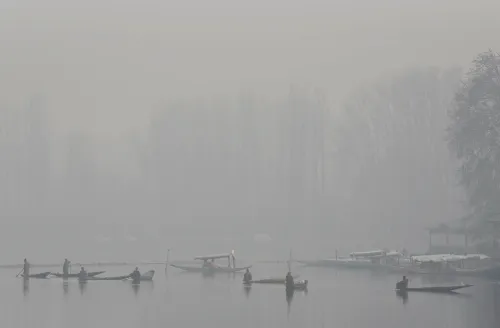
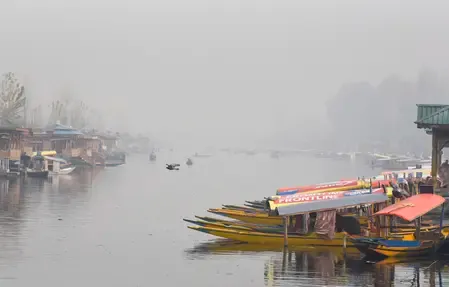
Srinagar, Feb 4 (NationPress) The minimum temperature in Jammu and Kashmir's Srinagar city has shown a slight improvement on Wednesday, with the Meteorological Department predicting generally dry weather until Friday evening.
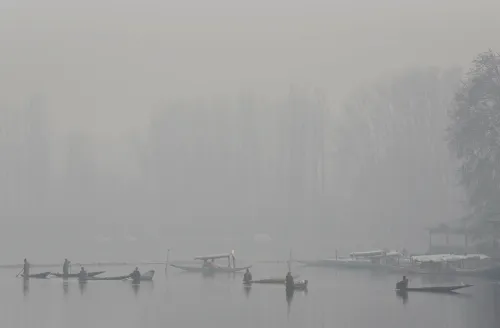
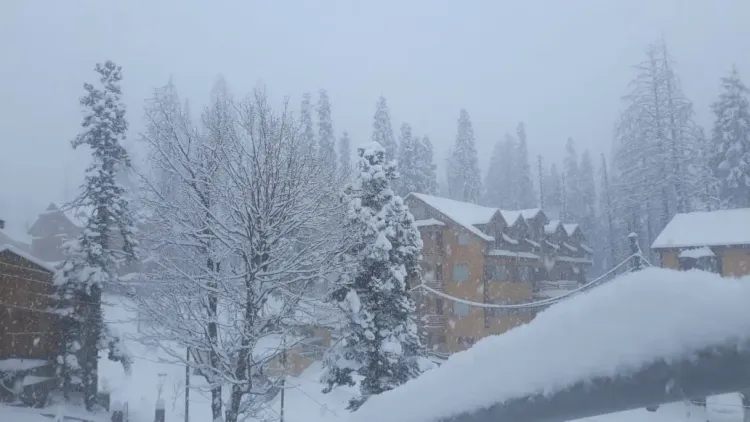
Srinagar recorded a minimum temperature of 3 degrees Celsius, while Gulmarg remains icy at minus 8 degrees Celsius and Pahalgam at minus 5.6 degrees.
In Jammu, the minimum temperature was 8.3 degrees Celsius, Katra saw 7.5 degrees Celsius, Batote recorded 1.6 degrees Celsius, Banihal experienced minus 1.1 degrees Celsius, and Bhaderwah reported minus 2 degrees Celsius.
The Meteorological Department anticipates dry weather till Friday evening, with a partly cloudy sky.
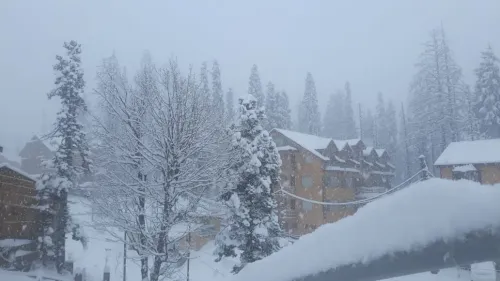
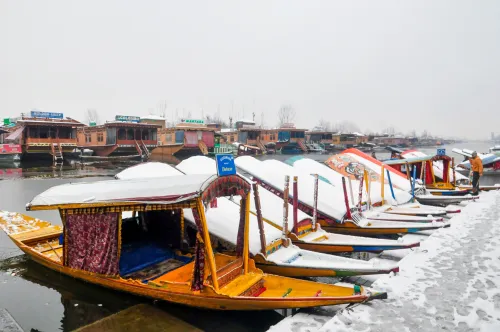
Light snow is forecasted for February 7 in isolated areas of higher elevations, while February 8 should see generally dry weather, followed by light rain or snow on February 9 and 10.
After the conclusion of the 40-day intense winter season, known as 'Chillai Kalan', which ended on January 30, there has been an overall rise in both minimum and maximum temperatures, although the likelihood of fresh snowfall in the valley's plains during the rest of winter is minimal.
Fortunately, considerable snowfall towards the end of January is expected to support various water bodies, including rivers, streams, springs, and lakes, throughout the upcoming hot summer months.
Despite the temperature plummeting to minus 6 degrees during the Chillai Kalan, inter-district road access remained intact across the valley.
Traffic on the Srinagar-Jammu National Highway and train services between Katra in Reasi district and Srinagar city continued without interruption, aside from a brief two-day halt on the highway and one day of suspended train service.
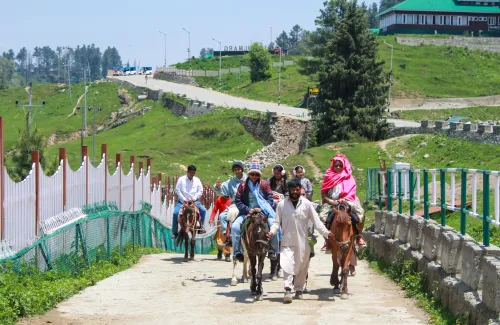
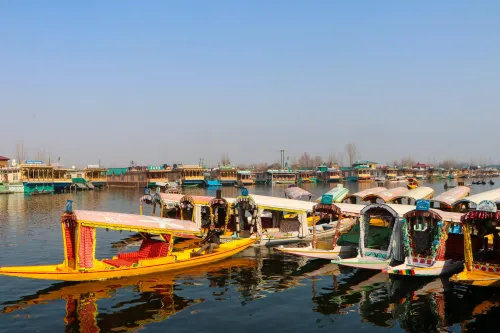
A significant influx of domestic tourists is currently visiting the valley, with most hotels in Srinagar, Gulmarg, Sonamarg, and Pahalgam enjoying high occupancy rates.
Industry stakeholders view this as a promising trend.
Point of View
It's clear that the recent temperature fluctuations in Jammu and Kashmir reflect the ongoing climatic changes. The tourism sector remains buoyant, indicating resilience despite adverse weather conditions. This trend not only reflects the region's charm but also emphasizes the importance of sustainable tourism practices.
NationPress
20 Sept 2026
Frequently Asked Questions
What is the current temperature in Srinagar?
The current minimum temperature in Srinagar is 3 degrees Celsius.
Is snowfall expected in the coming days?
Yes, light snow is likely to occur in isolated higher reaches on February 7, with more precipitation expected on February 9 and 10.
How has tourism been affected in the Valley?
Tourism remains robust, with high hotel occupancy rates in Srinagar, Gulmarg, Sonamarg, and Pahalgam.
What weather conditions are predicted for the upcoming week?
Generally dry weather is expected until Friday evening, followed by potential light rain or snow.
Did the winter season affect road connectivity?
No, despite cold temperatures, inter-district road connectivity remained largely unaffected.