Has the Minimum Temperature Surged Above Freezing in J&K’s Srinagar?
Synopsis
As winter deepens in Jammu and Kashmir, temperatures in Srinagar rise above freezing while Gulmarg and Pahalgam remain icy. Amidst this chill, locals embrace cultural traditions and the tourism industry shows signs of recovery. Will the New Year bring hope for better days ahead?
Key Takeaways
The minimum temperature in Srinagar has surpassed freezing.
Gulmarg and Pahalgam remain below zero.
Seasonal precipitation shows significant deficits in Kashmir Division. ‘Chillai Kalan’ is a critical winter phase for the region.
The tourism industry is witnessing a revival despite past challenges.
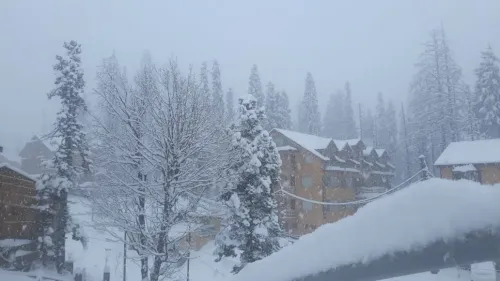
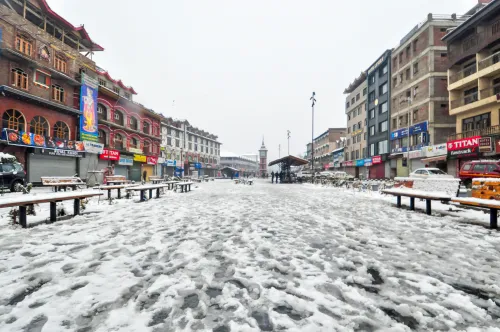
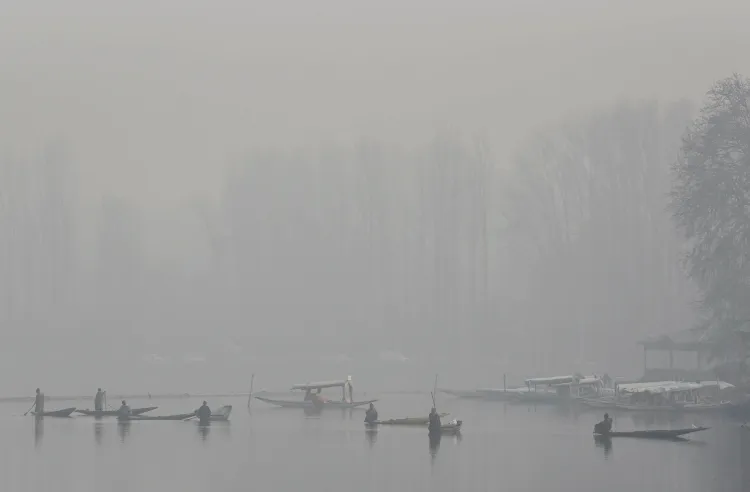
Srinagar, Dec 26 (NationPress) The minimum temperature in Jammu and Kashmir's Srinagar city has surpassed the freezing point, whereas both the Gulmarg ski resort and the Pahalgam hill station continue to experience temperatures below zero as of Friday.
According to officials from the Meteorological (MeT) Department, "Seasonal precipitation (from October 1 to December 25) showed a significant departure from normal, with a deficit of -44 percent in the Kashmir Division and a normal rate of -9 percent in the Jammu Division. Light snow is expected in higher altitudes and scattered light rain across many areas of J&K from December 31 to January 1, with conditions improving thereafter."
The recorded minimum temperatures were 0.2 degrees Celsius in Srinagar, minus 4.5 degrees in Gulmarg, and minus 1.6 degrees in Pahalgam.
In contrast, Jammu city reported a minimum of 10 degrees Celsius, Katra at 9.5, Batote at 6.1, Banihal at 3.8, and Bhaderwah at 2.6 degrees.
The maximum temperatures recorded on Thursday were 13 degrees Celsius in Srinagar, 4 degrees in Gulmarg, and 9 degrees in Pahalgam. This narrowing gap between maximum and minimum temperatures is characteristic of the traditional 40-day period known as ‘Chillai Kalan,’ which commenced on December 21 and will conclude on January 30.
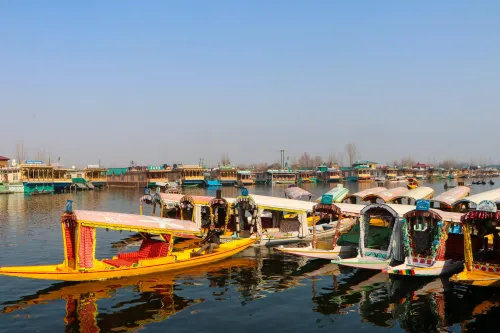
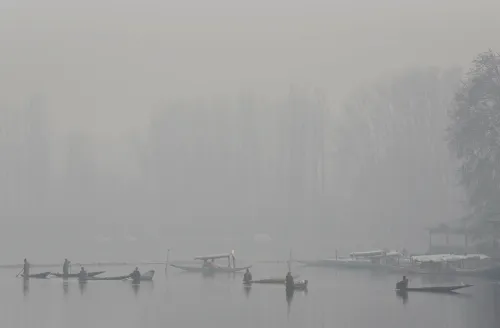
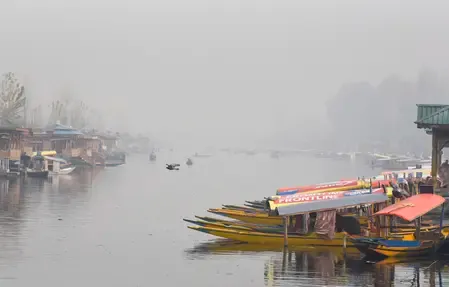
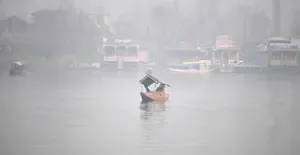
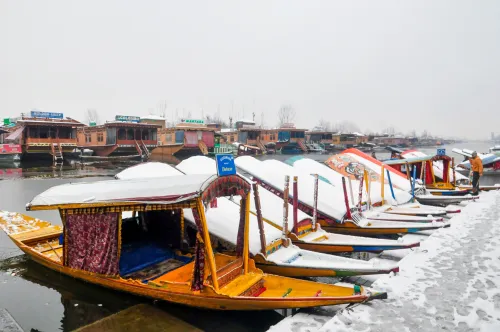
During this extreme winter phase, many water bodies in the Valley tend to freeze either partially or completely, complicating navigation in rivers and lakes. Residents are compelled to wear multiple layers of woolen clothing to prevent cold exposure.
The traditional tweed garment known as the ‘Pheran’ has become the attire of choice for men, women, and children during winter in Kashmir.
Most locals also carry an earthen pot filled with live charcoal, beautifully encased in a willow basket, known as the ‘Kangri,’ which has been an integral part of Kashmiri culture for centuries.
As we approach New Year's Eve, a noticeable influx of revellers has been observed in Gulmarg, Srinagar, and Pahalgam, with hoteliers and travel operators reporting an uptick in bookings.
The Kashmir tourism industry has faced substantial challenges following a terrorist incident on April 22, which claimed the lives of 25 tourists and one local pony owner at Baisaran meadow in Pahalgam, attributed to the Pakistan-backed Lashkar-e-Taiba (LeT).
However, the surge in tourist arrivals towards the end of the year suggests optimism for a more prosperous 2026 for those reliant on this industry for their livelihoods.
Point of View
The evolving weather patterns in Jammu and Kashmir highlight the region's climatic challenges. The resilience of its people and the cultural significance of traditional clothing during winter are remarkable. Furthermore, the recovery of the tourism sector is crucial for local livelihoods, making it imperative for authorities to ensure safety and promote the region as a premier tourist destination.
NationPress
29 Sept 2026
Frequently Asked Questions
What is the current temperature in Srinagar?
The current minimum temperature in Srinagar is 0.2 degrees Celsius.
How does the temperature in Gulmarg compare to Srinagar?
Gulmarg's minimum temperature is minus 4.5 degrees Celsius, which is significantly lower than Srinagar's.
What is 'Chillai Kalan'?
'Chillai Kalan' refers to a 40-day period of intense cold in Kashmir, lasting from December 21 to January 30.
What cultural attire do Kashmiris wear during winter?
During winter, Kashmiris typically wear the traditional tweed garment known as the 'Pheran.'
What are the expected weather conditions in J&K for the New Year?
Light snowfall and rain are expected in higher reaches and several areas of J&K from December 31 to January 1.