Stalin Demands Immediate Withdrawal of FCRA Amendments, Claims Targeting of Minority Institutions
Synopsis
Tamil Nadu Chief Minister M.K. Stalin has demanded the Union government withdraw its proposed FCRA amendments, asserting they unfairly target minority institutions, particularly Christian organizations. As political tensions rise, opposition parties are expected to rally against these changes, framing it as an attack on religious freedom.
Key Takeaways
The proposed FCRA amendments are seen as targeting minority institutions, especially Christian charities.
Stalin has called for their immediate withdrawal, citing unfairness and potential harm to charitable organizations.
The political landscape is likely to shift as opposition parties rally against these changes.
Safeguarding minority rights is crucial for maintaining India's pluralistic society.
This issue will spark intense political debate in the lead-up to state elections.
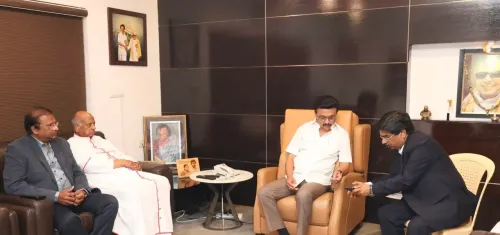
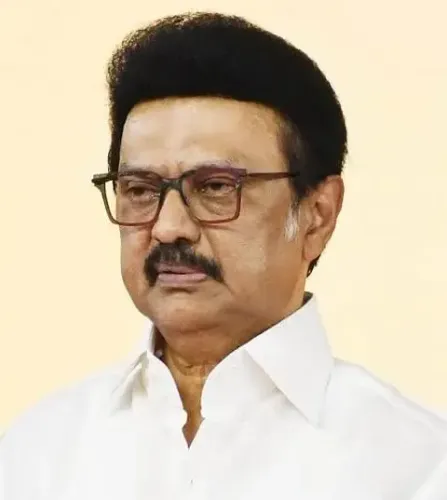
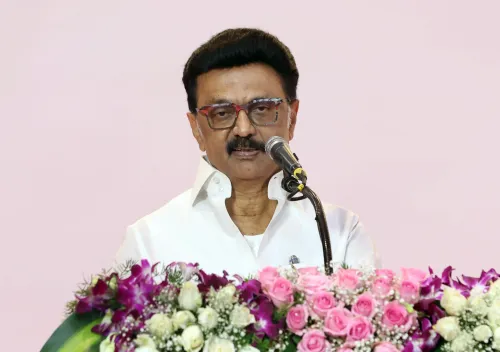
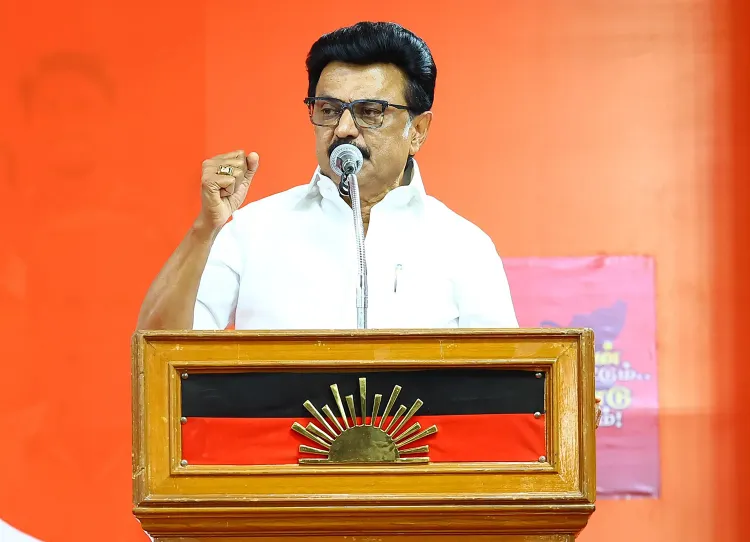
Chennai, April 2 (NationPress) Chief Minister M.K. Stalin of Tamil Nadu has urged the central government to promptly retract the proposed modifications to the Foreign Contribution (Regulation) Act, asserting that these changes disproportionately impact institutions run by minorities, especially Christian churches and other charitable organizations. In a statement shared on social media, CM Stalin condemned the BJP-led government for its proposed alterations to the FCRA, labeling them a "direct attack" on minority groups, particularly those dependent on foreign donations for their humanitarian and social missions.
He accused the Centre of exhibiting a pattern of meddling in the operations of religious minorities. By drawing comparisons to recent incidents concerning Waqf properties, he indicated that the government seeks to assert control over institutions across various faiths.
According to him, this latest initiative aims to undermine the financial support systems of numerous charitable entities that are vital in sectors like education, healthcare, and community service.
Stalin expressed alarm at what he described as a calculated retreat by the Centre amid growing dissent, asserting that the government is only temporarily withdrawing due to opposition from various parties and the sensitive political climate as upcoming elections approach in states like Kerala, where minority electorates hold significant sway.
Despite this apparent pause, CM Stalin cautioned that there are signs indicating the Centre may reconvene to push these amendments through Parliament, potentially during a special session. He remarked that such actions would jeopardize democratic principles and disregard the concerns voiced by numerous stakeholders.
Referring to the proposed changes as "unilateral and unjust", CM Stalin called upon Prime Minister Narendra Modi to take immediate action to fully withdraw them. He stressed that protecting the rights of minority institutions is crucial for maintaining India's pluralistic society and upholding constitutional values.
This issue is anticipated to escalate the political discourse in the weeks to come, with opposition parties likely uniting against the Centre's proposal, presenting it as a broader matter of religious freedom and institutional independence.
Point of View
The debate surrounding the proposed FCRA amendments highlights the delicate balance between regulatory oversight and the rights of minority institutions. The implications of these changes could have far-reaching effects on charitable organizations that play a critical role in community welfare and social services.
NationPress
23 Sept 2026
Frequently Asked Questions
What are the proposed amendments to the FCRA?
The proposed amendments to the FCRA aim to tighten regulations on foreign contributions, which some argue disproportionately affect minority-run institutions like churches and charitable organizations.
Why is M.K. Stalin opposing these amendments?
M.K. Stalin opposes the amendments because he believes they unfairly target minority institutions, particularly Christian charities that rely on foreign funding for their humanitarian efforts.
What impact could the amendments have on charitable organizations?
If implemented, the amendments could restrict the financial support that charitable organizations depend on, potentially undermining their ability to provide education, healthcare, and welfare services.
What is the political significance of this issue?
This issue is politically significant as it touches on religious freedom, minority rights, and the government's role in regulating charitable organizations, which could influence upcoming elections.
How are opposition parties reacting to the proposed amendments?
Opposition parties are expected to unify against the proposed amendments, framing them as a broader issue of religious freedom and institutional autonomy, thus intensifying the political debate.