Sudan mine collapse kills 10 artisanal miners in Red Sea State
Synopsis
Five mining shafts caved in simultaneously at the Oni site in Sudan's Red Sea State, killing at least 10 artisanal miners and injuring 21 more — the second deadly mine collapse in the country within days. The disasters expose a chronic safety crisis in a sector that employs 1.5 million people and produces 80 per cent of Sudan's gold.
Key Takeaways
At least 10 artisanal miners were killed and 21 injured after five shafts collapsed at the Oni site in Red Sea State , eastern Sudan, on Saturday .
The Dar Hamar Emergency Room volunteer group confirmed the toll; rescue operations were still ongoing as of Sunday.
The collapse follows the Al-Zaraa mine disaster near Al-Nuhud in West Kordofan State , which reportedly killed dozens just days earlier.
Sudan's artisanal mining sector employs over 1.5 million miners across more than 800 sites and produces about 80% of the country's gold.
Sudan produced 70 tons of gold in 2025 ; accidents are frequent due to inadequate safety measures and deteriorating infrastructure.
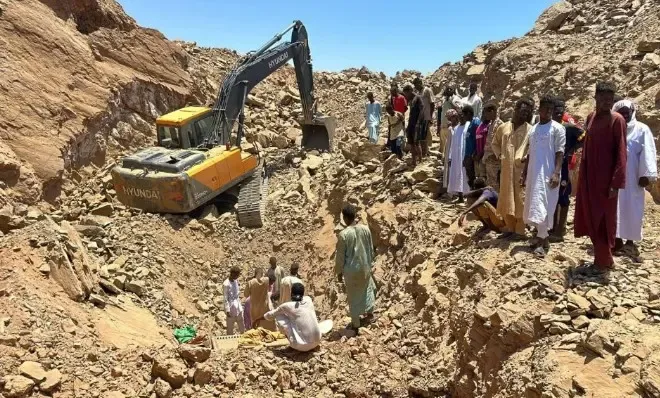
At least 10 artisanal miners were killed and 21 others injured after five mining shafts collapsed in the Oni area of Red Sea State in eastern Sudan, according to a local volunteer group and eyewitnesses. The accident occurred on Saturday, with rescue operations still under way as of Sunday.
What Happened at the Oni Mine Site
The Dar Hamar Emergency Room, a volunteer-led relief group, confirmed in a statement on Sunday that rescue teams had recovered 10 bodies and pulled out 21 injured miners, with search operations continuing for those still unaccounted for. The Sudanese Mineral Resources Company separately acknowledged the collapse in a statement on Sunday but did not provide an official casualty count.
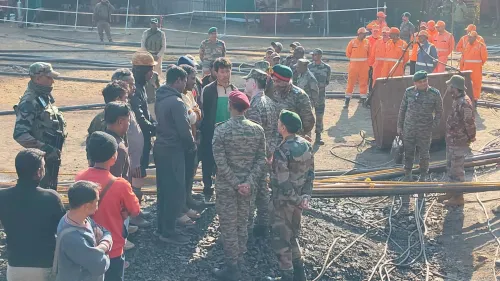
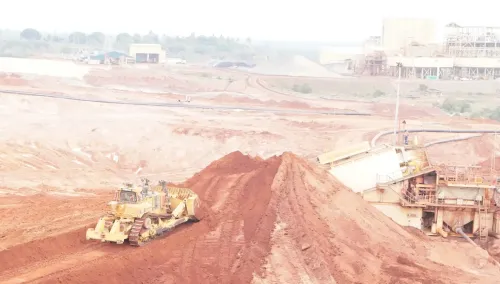
An unnamed miner who was present at the site said the collapse began as workers were underground when adjacent shafts caved in successively, burying miners under rock and soil. Fellow miners moved quickly to mount a rescue using whatever equipment was immediately available, while bulldozers were later brought in to clear the debris.
Difficult Terrain Hampers Rescue Efforts
The anonymous eyewitness said difficult access to certain parts of the site made it impossible to determine the final number of miners still missing. A number of the injured were transported to Port Sudan, located approximately 300 km from the collapse site, for medical treatment.
Second Major Mining Disaster in Days
The Oni collapse follows another deadly incident just days earlier — the cave-in of the Al-Zaraa mine near Al-Nuhud in West Kordofan State, which reportedly killed dozens of miners. The back-to-back tragedies have renewed scrutiny of safety conditions in Sudan's vast artisanal mining sector.
Sudan's Artisanal Mining Sector Under Pressure
Artisanal mining is a lifeline for millions of Sudanese, accounting for roughly 80 per cent of the country's gold output. The sector operates across more than 800 sites in northern and western Sudan, employing an estimated 1.5 million miners. According to official figures, Sudan produced 70 tons of gold in 2025, making gold one of the country's primary sources of foreign currency.
Accidents are frequent at these sites, where inadequate safety measures and deteriorating infrastructure compound the already high risks for workers operating with limited equipment and oversight. With the country's ongoing civil conflict straining public services, the prospect of improved mine safety regulation in the near term remains uncertain.
Point of View
Enforcement of safety norms is effectively absent. The 70-ton gold output figure for 2025 tells one story; the bodies recovered at Oni and Al-Zaraa tell another. Sudan's gold economy is being built on a foundation of unmitigated occupational risk, and without international pressure or a ceasefire that allows governance to function, these disasters will keep repeating.
NationPress
21 Sept 2026
Frequently Asked Questions
What caused the mine collapse in Sudan's Red Sea State?
Five artisanal mining shafts in the Oni area of Red Sea State collapsed successively on Saturday while workers were underground, burying miners under rock and soil. The exact structural cause has not been officially determined, but poor safety infrastructure is a known systemic risk across Sudan's mining sites.
How many people were killed or injured in the Oni mine collapse?
According to the Dar Hamar Emergency Room volunteer group, at least 10 miners were killed and 21 others were injured. Search operations were continuing as of Sunday, meaning the final toll could rise.
Was this the only recent mine disaster in Sudan?
No. The Oni collapse came just days after the Al-Zaraa mine near Al-Nuhud in West Kordofan State caved in, reportedly killing dozens of miners. The two back-to-back disasters have highlighted the dangerous conditions across Sudan's artisanal mining sector.
Why is artisanal mining so widespread in Sudan?
Artisanal mining is a major source of livelihood for many Sudanese, accounting for roughly 80 per cent of the country's gold output. The sector operates at over 800 sites and employs an estimated 1.5 million people, making gold one of Sudan's primary foreign currency earners.
What is the state of mine safety in Sudan?
Mine safety in Sudan is widely considered inadequate. Accidents are frequent due to deteriorating infrastructure and a lack of safety enforcement. Sudan's ongoing civil conflict has further weakened the state's capacity to regulate or inspect mining operations, leaving workers highly vulnerable.