Kenya gold mine collapse kills 5 in Narok County, rescue hampered by equipment shortage
Synopsis
A gold mine tunnel in Kenya's Narok County caved in after heavy rains on 22 July, killing at least five miners and leaving others trapped underground. Rescue teams are on site but progress is stalled by a shortage of specialised equipment — the latest in a series of fatal collapses exposing the dangerous gap between Kenya's booming artisanal gold sector and its near-absent safety enforcement.
Key Takeaways
At least 5 miners were killed in a gold mine collapse in Narok County , southwestern Kenya , on 22 July .
The collapse occurred in the Kilimapesa area , about 180 km south of Narok Town — site of Kenya's largest commercial gold mining operation.
Narok County Police Commander Patrick Lobolia confirmed rescue operations are ongoing but hampered by a shortage of specialised underground equipment.
Several survivors were rescued and taken to nearby health facilities for treatment.
Earlier in July , at least 15 people were killed in a separate mine collapse in Wadi Halfa, Sudan , at a site that had been closed by authorities as unsafe.
Sudan's mining sector accounts for about 40% of exports but has seen declining activity since the war began in April 2023 .
At least five miners were killed after a gold mine tunnel collapsed in Narok County, southwestern Kenya, on Wednesday, 22 July, local authorities confirmed. Narok County Police Commander Patrick Lobolia said rescue operations were continuing, with several more miners believed to be trapped underground following the collapse, which was triggered by heavy rains.
What Happened at the Kilimapesa Site
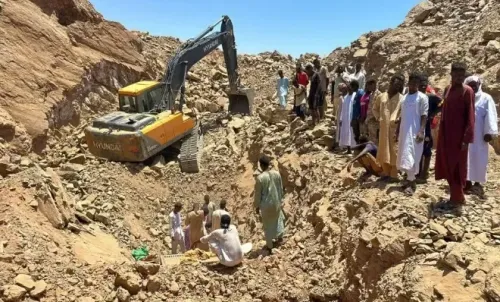
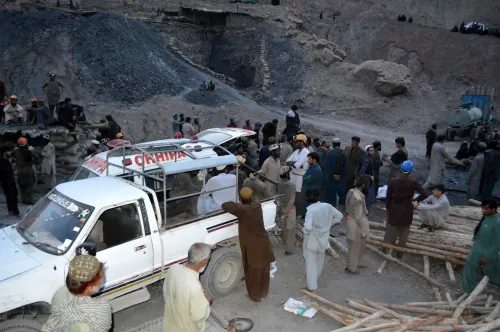
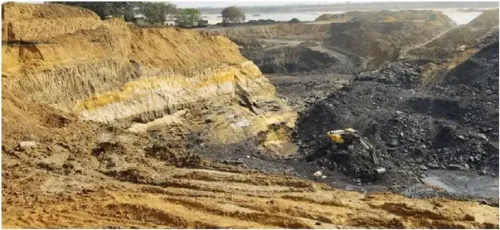
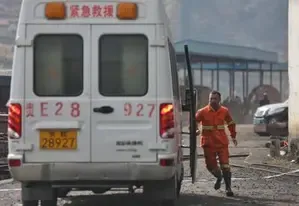
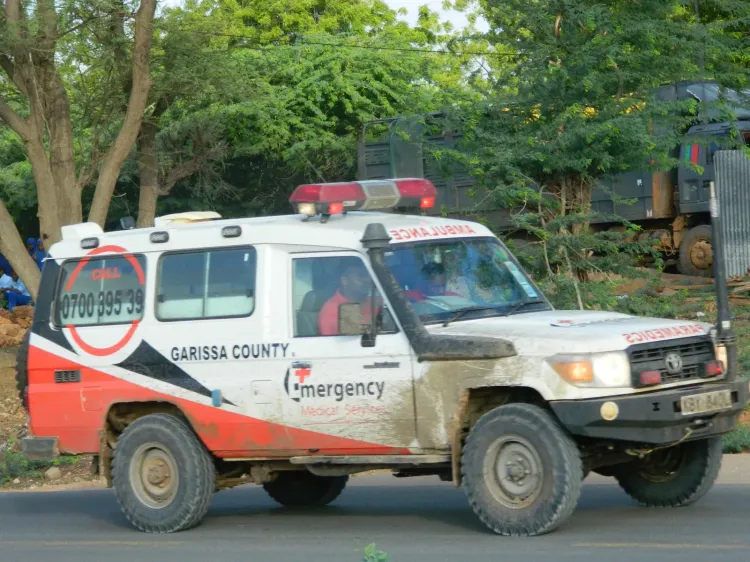
The collapse occurred in the Kilimapesa area, located approximately 180 km south of Narok Town — home to Kenya's largest commercial gold mining operation. Rescue teams were deployed to the site, and several survivors had already been pulled out and transferred to nearby health facilities for treatment.
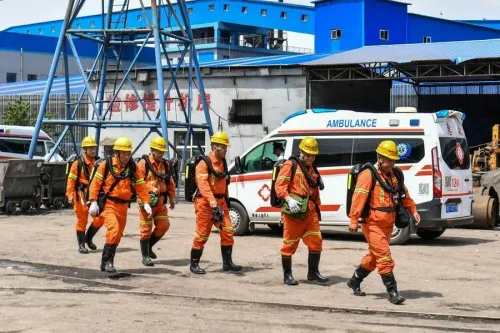
'Rescue teams are at the scene to assist in the rescue of more people believed to be trapped,' Lobolia said in a phone statement. He added that progress had been significantly slowed by a shortage of specialised underground search equipment. 'The operation is moving slowly due to a lack of specialised underground search equipment and cameras,' he said.
A Sector Plagued by Fatal Accidents
The Narok collapse is the latest in a string of deadly incidents that have drawn renewed scrutiny to safety standards in Kenya's gold mining sector. Gold mining serves as a primary livelihood for thousands of artisanal miners across the country, but informal and unregulated operations in gold-rich regions have claimed dozens of lives in recent years due to frequent collapses and hazardous working conditions.
Stakeholders have repeatedly called for stricter enforcement of safety regulations across the industry, though critics argue that implementation has lagged far behind the scale of the problem.
Regional Pattern: Sudan Mine Collapse Earlier This Month
The Kenya incident follows a similar tragedy in northern Sudan earlier in July, where at least 15 people were killed and one was injured after a traditional gold mine collapsed in the Wadi Halfa area. The Sudanese Mineral Resources Company, a government body overseeing mining activities, confirmed that the accident occurred after miners entered a site that had previously been closed by authorities as unsafe.
A local eyewitness described the collapse as so 'extensive' that rescuers could not reach those trapped inside for some time. Miners had reportedly ignored repeated warnings to stay out of the closed site. Traditional mining is a major contributor to Sudan's gold output but has long been undermined by poor safety measures and deteriorating infrastructure.
Sudan's Dependence on Gold Amid Ongoing Conflict
Sudan has relied heavily on gold as a key source of foreign currency since 2011, with the mining sector accounting for approximately 40% of exports. However, activity has declined sharply amid the war that began in April 2023, adding economic pressure to an already fragile sector.
With rescue operations still underway at Kilimapesa, the full toll of the Narok collapse may not be known for several days — and the incident is likely to intensify calls for urgent regulatory reform in East Africa's artisanal mining industry.
Point of View
But regulatory capacity has not kept pace, leaving thousands of miners working in tunnels with no safety certification and no emergency equipment nearby. The fact that rescue teams arrived at the scene without specialised underground cameras or search tools is itself an indictment of preparedness. The parallel Sudan collapse — at a site authorities had already closed — underscores a regional pattern: warnings are issued, ignored, and then mourned. Until enforcement moves from paper to practice, the death toll will keep rising.
NationPress
21 Oct 2026
Frequently Asked Questions
What caused the gold mine collapse in Narok County, Kenya?
The mine tunnel in the Kilimapesa area of Narok County collapsed following heavy rains on 22 July, according to local authorities. At least five miners were killed and several others are believed to remain trapped underground.
Where exactly is the Kilimapesa gold mine?
Kilimapesa is located approximately 180 km south of Narok Town in southwestern Kenya. It is home to Kenya's largest commercial gold mining operation.
Why is the rescue operation moving slowly?
Narok County Police Commander Patrick Lobolia said the rescue is being hampered by a shortage of specialised underground search equipment and cameras. Rescue teams are on site but progress has been significantly slowed by the equipment gap.
How does this incident fit into the broader pattern of mining accidents in Kenya?
Kenya's gold mining sector has been plagued by fatal accidents in recent years, particularly in informal and unregulated artisanal operations. Stakeholders have repeatedly called for stricter safety enforcement, but critics argue implementation has not matched the scale of the problem.
What happened in the Sudan mine collapse mentioned alongside the Kenya incident?
Earlier in July, at least 15 people were killed when a traditional gold mine collapsed in the Wadi Halfa area of northern Sudan. The Sudanese Mineral Resources Company confirmed miners had entered the site despite it being closed by authorities as unsafe.