Saindak Copper-Gold Mine faces shutdown in a month over Balochistan security crisis

Synopsis
Pakistan's biggest operating copper-gold mine is weeks away from a potential shutdown — not because of geology or economics, but because separatist militants have made its supply roads too dangerous to use. With $750 million in annual copper exports at stake and Barrick's $9 billion Reko Diq project next door now under a security review, Balochistan's insurgency is threatening to unravel Pakistan's entire mineral wealth strategy.
Key Takeaways
The Saindak Copper-Gold Mine in Balochistan faces a potential shutdown within one month due to militant attacks disrupting supply routes.
A formal warning was sent to Pakistan's Ministry of Energy citing severe operational disruption from the insurgency.
The mine has been operated by China's Metallurgical Corporation of China (MCC) since 2001 under a lease until 2037 .
Copper exports from Saindak generated approximately $750 million in revenue for Pakistan last year.
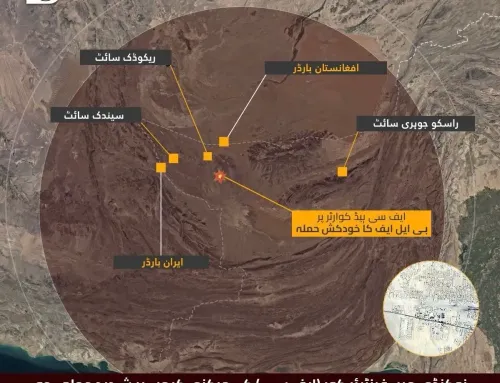
Barrick Mining's $9 billion Reko Diq project, located 50 km away, is reportedly under a security review amid the same concerns.
Pakistan's Minister of State for the Interior, Talal Chaudhry , has directed authorities to strengthen security for mining and logistics operations.
Pakistan's largest operating copper and gold mine, the Saindak Copper-Gold Mine in Balochistan, is facing a potential shutdown within one month as deteriorating security conditions disrupt the transport of critical supplies to the facility, according to an analysis by Mining.com. A formal letter sent to Pakistan's Ministry of Energy warned that militant insurgency in the province has severely affected mine operations, raising the prospect of a full production halt.
Security Breakdown on Supply Routes
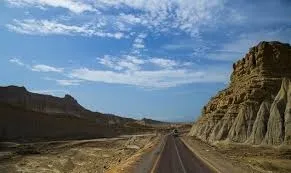
Road transport — the mine's primary lifeline for supplies — has grown increasingly hazardous amid a surge in attacks by separatist militants targeting security forces, infrastructure, and foreign-linked projects across Balochistan. The mine's operators flagged that without an urgent improvement in ground conditions, sustaining operations would become untenable within weeks.
Pakistan's Minister of State for the Interior, Talal Chaudhry, responded by stating that provincial authorities and security agencies had been directed to strengthen protection for mining installations, personnel, logistics, and transportation corridors in the region.
China's Stake in Saindak
The Saindak mine has been operated by China's state-owned Metallurgical Corporation of China (MCC) since 2001 under a lease agreement running until 2037. The bulk of the mine's copper and gold output is exported to China. According to the report, copper exports from the facility generated approximately $750 million in revenue for Pakistan last year alone.
This comes amid broader concerns over the safety of Chinese nationals and assets across Balochistan, where Beijing has invested billions of dollars under the Belt and Road Initiative (BRI). Repeated attacks on Chinese personnel and infrastructure have prompted Beijing to press Islamabad to deliver stronger security guarantees for its projects.
Shadow Over Reko Diq Project
The security deterioration has also cast uncertainty over Barrick Mining's proposed $9 billion Reko Diq copper-gold project, located approximately 50 km from Saindak. The Canadian mining giant is reportedly reviewing regional security risks before committing to the next phase of development — a delay that could have significant consequences for Pakistan's mineral revenue ambitions.
Notably, Reko Diq is considered one of the world's largest undeveloped copper-gold deposits, and its stalling would represent a major setback for Islamabad's efforts to monetise Balochistan's vast mineral wealth.
What This Means for Pakistan's Mining Sector
Balochistan holds some of the world's largest known copper and gold reserves, and the province is central to Pakistan's strategy for economic recovery through mineral exports. The latest warning underscores the widening gap between the country's resource potential and its ability to attract and retain foreign investment in a volatile security environment.
If the Saindak mine does halt operations, it would mark one of the most significant disruptions to Pakistan's mining sector in recent years, with ripple effects on export revenue, Chinese investor confidence, and the broader BRI portfolio in the country. All eyes now turn to whether Islamabad can deliver on its security commitments before the one-month deadline expires.
Point of View
Yet the province's insurgency has never been durably contained. Beijing's patience is not unlimited: repeated attacks on Chinese assets under BRI have already strained the relationship, and a mine shutdown would hand sceptics in China fresh ammunition against further investment. The Reko Diq overhang is the real tell — if Barrick, which negotiated a landmark settlement after years of legal battles, starts pulling back on security grounds, the signal to global mining capital will be severe and lasting.
NationPress
15 Oct 2026
Frequently Asked Questions
Why is the Saindak Copper-Gold Mine facing a shutdown?
The Saindak mine is at risk of shutting down within one month because separatist militant attacks in Balochistan have made its primary road supply routes increasingly unsafe. A formal letter to Pakistan's Ministry of Energy warned that operations have been severely disrupted by the insurgency.
Who operates the Saindak mine and what is its economic value?
The Saindak Copper-Gold Mine is operated by China's state-owned Metallurgical Corporation of China (MCC) under a lease that runs from 2001 to 2037. Copper exports from the mine generated approximately $750 million in revenue for Pakistan last year, with most output exported to China.
How has the Pakistani government responded to the security warning?
Pakistan's Minister of State for the Interior, Talal Chaudhry, stated that provincial authorities and security agencies have been directed to strengthen protection for mining installations, personnel, and transportation corridors in Balochistan.
Is the Reko Diq project also affected by the security situation?
Yes, Barrick Mining's proposed $9 billion Reko Diq copper-gold project, located about 50 km from Saindak, is reportedly under a security review. The company is reassessing regional risks before moving ahead with the next phase of development.
What is the broader significance of Balochistan's security crisis for Pakistan?
Balochistan holds some of the world's largest copper and gold deposits and is central to Pakistan's mineral export strategy. Repeated militant attacks on Chinese-linked assets have also strained the Belt and Road Initiative partnership, with Beijing pressing Islamabad for stronger security guarantees across its projects in the province.