Is the $1.3 Billion US Investment in Balochistan's Reko Diq Mines a Game Changer?
Synopsis
The recent $1.3 billion investment by the US in Balochistan's Reko Diq mines under Project Vault raises ethical concerns amidst a backdrop of violence and repression. Can this investment reshape the global minerals market while prioritizing human rights?
Key Takeaways
Investment Overview: $1.3 billion from the US under Project Vault.
Resource Richness: Reko Diq's significant copper and gold reserves.
China's Dominance: Over 90% of global rare earth output is controlled by China.
Ethical Dilemmas: Concerns over human rights violations in Balochistan.
Political Context: Increased violence and unrest in the region.
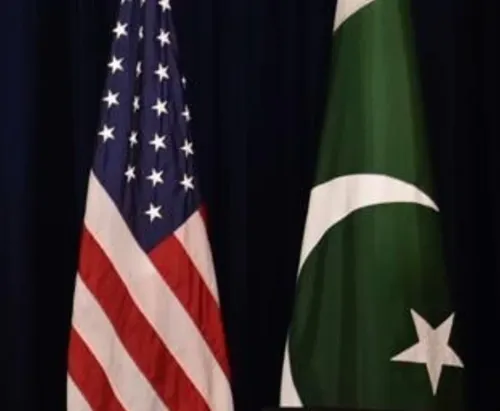
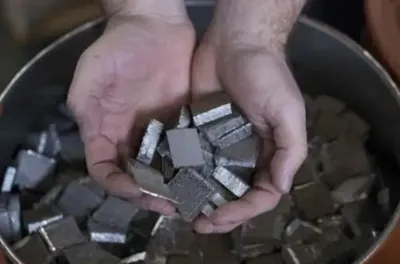
New Delhi, Feb 7 (NationPress) The administration of Donald Trump has launched ‘Project Vault,’ a $12 billion initiative aimed at establishing a critical mineral reserve to counteract China’s stronghold in this sector. This project includes a significant $1.3 billion investment in the Reko Diq mines, situated in Balochistan.
Notably, it stands as the only international project funded under this initiative, managed by the Export-Import Bank (EXIM).
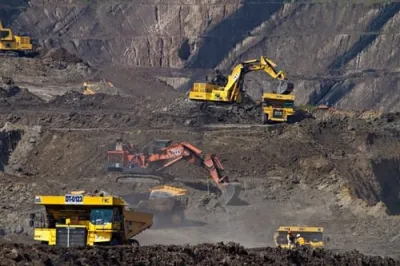
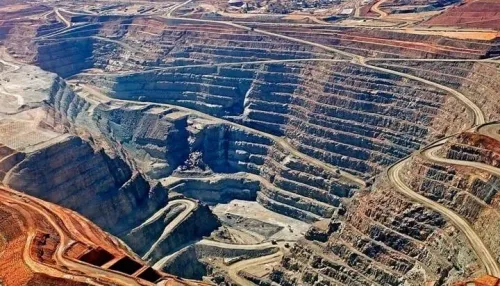
The Reko Diq site is known for harboring some of the largest untouched copper and gold reserves globally. Industry estimates suggest that the site contains approximately 5.9 billion tonnes of ore, which includes around 41.5 million ounces of gold.
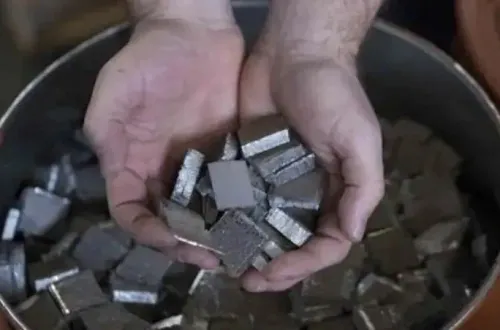
According to the US State Department, this investment aims to “reshape the global market for critical minerals and rare earths,” posing a direct challenge to China’s existing dominance in the rare earth sector, where it currently commands more than 90 percent of the world’s refined output.
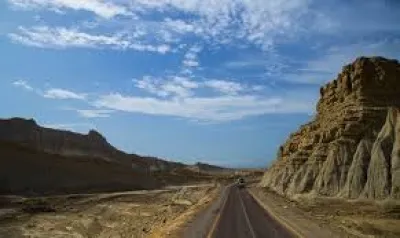
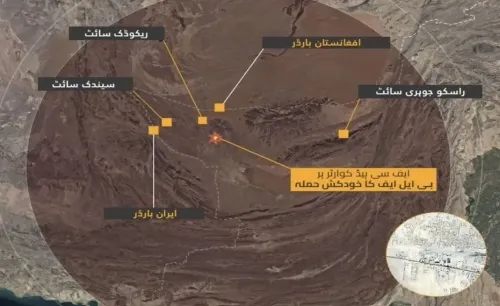
However, the province of Balochistan has been grappling with insurgency issues and is currently experiencing an uptick in violence against the state. The Reko Diq area is at the heart of this unrest, particularly exacerbated since the US withdrawal from Afghanistan in 2021.
For the local Baloch population, it appears to be yet another instance where global interests in minerals overshadow human lives, as noted in a recent article by EU Today.
This article highlights that Balochistan is among the most militarized and politically oppressed regions in South Asia. For decades, the area has been marked by enforced disappearances, extrajudicial killings, torture, mass arrests, and military operations that have devastated communities.
In such a context, the legitimacy of consent for large-scale mining projects from the “so-called provincial government” raises serious concerns, the article argues.
The article stresses that discussions about development become meaningless when the populace lacks democratic rights and lives under constant surveillance by a repressive regime. “Consequently, US and other foreign investments in Reko Diq pose significant ethical dilemmas. Without strict human rights conditions, transparency, and independent monitoring, such investments may inadvertently make international stakeholders complicit in oppression,” it states.
Point of View
It's clear that while the $1.3 billion investment in Reko Diq has the potential to reshape global mineral markets, we must remain vigilant about the human rights issues at play in Balochistan. The balance between economic development and ethical considerations must be prioritized.
NationPress
25 Sept 2026
Frequently Asked Questions
What is Project Vault?
Project Vault is a $12 billion initiative launched by the Trump administration aimed at establishing a critical mineral reserve to counter China's dominance in the sector.
What are the resources available at Reko Diq?
Reko Diq is known for its substantial untapped copper and gold deposits, with an estimated 5.9 billion tonnes of ore and 41.5 million ounces of gold.
Why is the investment in Balochistan controversial?
The investment is controversial due to ongoing violence and human rights abuses in Balochistan, raising ethical concerns about the prioritization of mineral extraction over local lives.
How much of the global rare earth output does China control?
China currently controls over 90 percent of the global refined rare earth output.
What risks are associated with foreign investments in conflict zones?
Foreign investments in conflict zones can lead to complicity in human rights abuses and may exacerbate local tensions if not managed transparently and ethically.