Pakistan Mineral Wealth Hype: Ground Realities Far More Complex
Synopsis
Pakistan's military chief Asim Munir is aggressively pitching the country's mineral wealth to the US as an economic game-changer — but analysts warn the hype ignores missing infrastructure, Baloch insurgency attacks on mines, weak environmental rules, and the absence of any real value-chain processing capacity.
Key Takeaways
Field Marshal Asim Munir and the Pakistan government have been pitching the country's mineral wealth to US investors as part of a diplomatic campaign in 2025 .
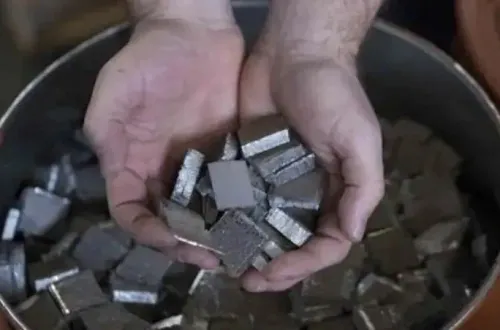
Pakistan's Ministry of Energy lists copper, gold, coal, iron ore, chromite, limestone, marble, gypsum, and gemstones as key resources, but extraction infrastructure is critically underdeveloped.
Analysts warn that exporting raw minerals alone will not drive development — processing, refining, smelting, and manufacturing capabilities are essential and currently absent.
Baloch insurgents have carried out armed attacks on mining sites in Balochistan , killing several people and exposing the political fragility of Pakistan's mining ambitions.
Pakistan's environmental regulations are deemed insufficient, alienating local communities in Balochistan who receive few benefits from resource extraction on their land.
Broader structural reforms — including tax reform, power sector overhaul, and export diversification — are identified as prerequisites before minerals can serve as a genuine economic bridge.
New Delhi, April 26: Pakistan's ambitious projection of its mineral wealth as an economic windfall — aggressively marketed to Washington by the government and Field Marshal Asim Munir — is being called out as an oversimplification that glosses over severe structural, political, and environmental challenges on the ground. Analysts and independent observers warn that resource wealth on paper is not the same as revenue in the treasury, and that Pakistan risks repeating the classic 'resource curse' trap if it fails to address the fundamentals.
The Mineral Pitch to Washington
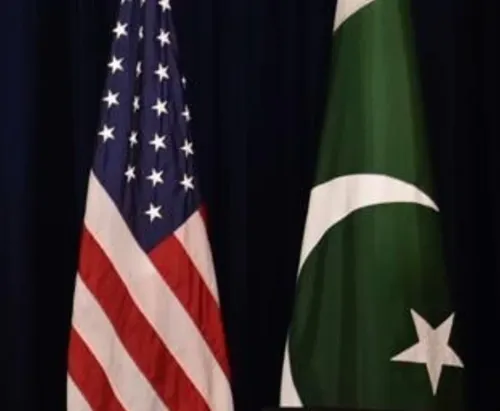
Pakistan's military establishment, led by Field Marshal Asim Munir, has been actively courting US investors and policymakers by presenting the country's underground reserves as a near-ready bonanza. Pakistan's Ministry of Energy officially catalogues a rich portfolio of resources including copper, gold, coal, iron ore, chromite, limestone, marble, gypsum, and gemstones.
However, according to an analysis published in Fair Observer, the political temptation to showcase large headline numbers at investment forums and treat them as future income is a dangerous oversimplification. The real challenge lies far beyond extraction — it demands an entire ecosystem that Pakistan currently lacks.
What Pakistan Actually Needs to Unlock Mineral Value
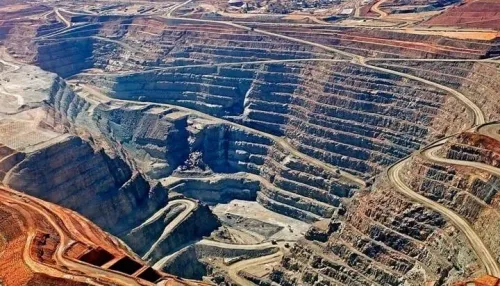
The Fair Observer analysis makes a critical distinction: extraction alone is not development. The real economic prize, it argues, lies further down the value chain — in processing, refining, smelting, cutting, certification, engineering services, logistics, and specialised manufacturing linked to copper, industrial minerals, and gemstones.
To get there, Pakistan would need significantly better geological data, predictable licensing frameworks, reliable electricity supply, water planning, road and rail connectivity, and large-scale vocational training programmes. Critically, it also needs a regulatory environment that citizens and investors can trust — something that remains conspicuously absent.
Balochistan: The Fault Line in Pakistan's Mining Dream
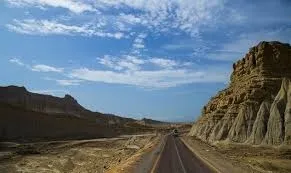
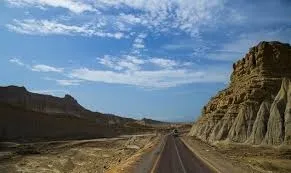
The most volatile flashpoint in Pakistan's mining ambitions is Balochistan — the resource-rich but deeply restive province that holds some of the country's most significant deposits, including the massive Reko Diq copper-gold project. The core question in Balochistan is not merely how much copper or gold can be extracted, but who gets the jobs, who receives royalties, who has access to clean water, and who bears the environmental cost.
Armed attacks by Baloch insurgents on mining locations have already resulted in casualties, underscoring the political fragility of any mining boom that lacks local legitimacy. A resource extraction model imposed without community consent — no matter how attractive the reserve estimates appear in an official investment pitch — is structurally unsustainable.
Pakistan's current environmental regulations have been criticised as insufficient, further alienating local communities who see little benefit from the extraction of resources beneath their land. This disconnect between Islamabad's investment narrative and ground-level grievances in Balochistan is a ticking political time bomb.
The Broader Economic Reality Pakistan Cannot Ignore
Beyond the mining sector, analysts argue that Pakistan cannot substitute minerals for genuine economic reform. The country still urgently needs tax reform, export diversification, a healthier power sector, and a business climate that rewards production over political access.
Minerals, at best, should serve as a bridge to a more competitive and diversified economy — not a shortcut that allows Islamabad to defer difficult structural reforms. Notably, Pakistan's economy has been on an IMF bailout cycle for decades, and commodity-led growth without institutional reform has historically failed to deliver lasting development in similar economies across Africa and South Asia.
This comes amid growing scrutiny of Field Marshal Asim Munir's dual role in shaping both military strategy and economic diplomacy — a concentration of power that critics argue undermines civilian oversight and democratic accountability in Pakistan.
What Comes Next
As Pakistan continues its diplomatic outreach to Washington and international investors through 2025, the credibility of its mineral wealth narrative will increasingly be tested against on-ground realities in Balochistan and other resource-rich regions. Without tangible progress on infrastructure, community rights, environmental standards, and institutional governance, the mineral boom pitch risks becoming another chapter in Pakistan's long history of unrealised economic potential. The international investment community, burned by previous cycles of optimism, will be watching closely.
Point of View
Fuelled in large part by decades of resource extraction without local benefit, is the most damning indictment of this approach. Until Islamabad addresses the governance deficit — not just the geological one — the mineral pitch will remain exactly what it is: a headline number in a PowerPoint deck.
NationPress
16 Sept 2026
Frequently Asked Questions
What minerals does Pakistan claim to have?
Pakistan officially catalogues copper, gold, coal, iron ore, chromite, limestone, marble, gypsum, and gemstones as part of its resource wealth. These reserves are significant on paper, but extraction and processing infrastructure remain severely underdeveloped.
Why is Pakistan's mineral wealth pitch to the US being questioned?
Analysts argue that Pakistan is presenting headline reserve figures without acknowledging the massive infrastructure, governance, and security gaps required to actually monetise them. The country lacks reliable electricity, roads, processing facilities, and stable licensing frameworks needed for a viable mining industry.
What is the situation in Balochistan regarding mining?
Balochistan, Pakistan's most resource-rich province, faces an active Baloch insurgency that has carried out armed attacks on mining locations, resulting in fatalities. Local communities remain alienated due to lack of jobs, royalties, and environmental protections, making any mining boom politically fragile.
Who is Field Marshal Asim Munir and what is his role in Pakistan's mineral diplomacy?
Field Marshal Asim Munir is Pakistan's military chief who has taken an active role in pitching the country's mineral wealth to the United States as part of a broader diplomatic and economic outreach campaign. Critics argue his dual military-economic role raises serious concerns about civilian oversight.
What reforms does Pakistan need before its mining sector can deliver real development?
Pakistan needs better geological surveys, predictable licensing, reliable electricity, water planning, road and rail infrastructure, vocational training, and trustworthy regulatory frameworks. Beyond mining, broader tax reform, export diversification, and an improved business climate are considered essential prerequisites.