US Strategy to Tap into Pakistan's Mineral Riches Faces Balochistan Challenges

Synopsis
As the Trump administration unveils plans to invest in Balochistan's mining sector, critical security issues loom. Explore the hurdles and geopolitical implications as the US eyes Pakistan's vast mineral potential amidst rising tensions.
Key Takeaways
The US is pursuing investment opportunities in Pakistan's mineral-rich Balochistan.
Security and political stability are key concerns for these investments.
China's dominance in mining and infrastructure presents challenges for US interests.
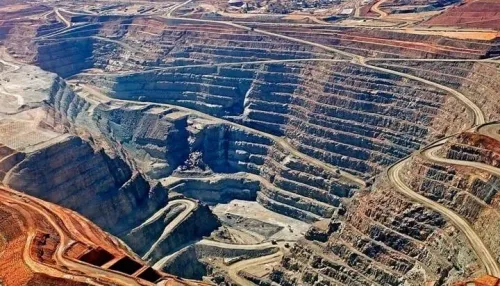
Pakistan's mineral reserves are valued in the trillions, particularly at Reko Diq.
Strategic financing from the US indicates a shift in perceptions about investment in Pakistan.
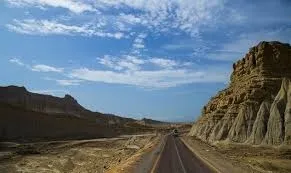
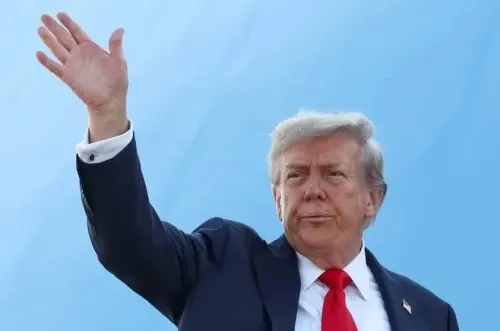
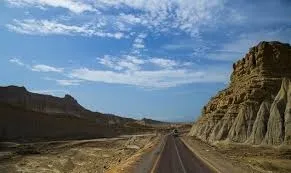
New Delhi, March 12 (NationPress) The administration of Donald Trump has revealed intentions to finance mining initiatives in the mineral-rich yet tumultuous Balochistan province of Pakistan. However, the United States must recognize that security concerns will pose a significant obstacle to any investments in this conflict-ridden area.
“Pakistan's mineral potential is vast, yet this wealth requires infrastructure such as roads, electricity, financing, environmental approvals, and most importantly, a degree of political stability. Washington cannot pursue copper without considering the ongoing conflict,” stated an article in Eurasia Review.
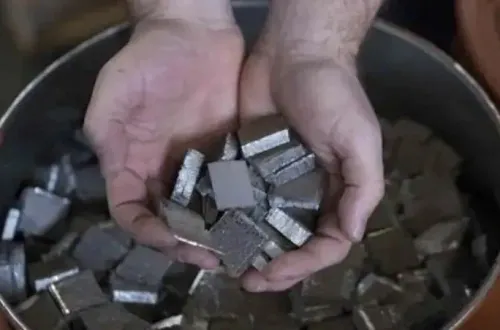
The United States is increasingly perceiving mineral security as an aspect of national security, where innovative strategies in industries, defense production, and energy transition are becoming centered around vital minerals like copper, rare earth elements, graphite, nickel, and cobalt. This shift has elevated Pakistan's significance in the eyes of Washington.
According to the IEA, the demand for essential energy minerals, particularly those related to the grid, storage, and transportation, is projected to grow steadily. Nevertheless, China continues to dominate the refining and processing sectors, causing concern among U.S. policymakers.
Efforts to accelerate domestic production, implement trade measures, and diversify supply chains have been the White House's responses. However, experts suggest that the United States is unlikely to supplant China in the near future, as noted by Dr. Shahzaib Khan.
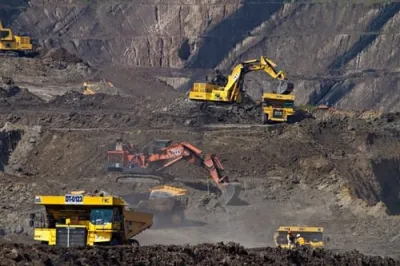
Pakistan's reserves of critical minerals and gold are estimated to be worth trillions, with ongoing investments from Pakistan itself bringing this topic into sharper focus. More crucial than the headline figures is the acknowledgment that Reko Diq houses some of the largest undeveloped copper and gold projects globally, according to the report.
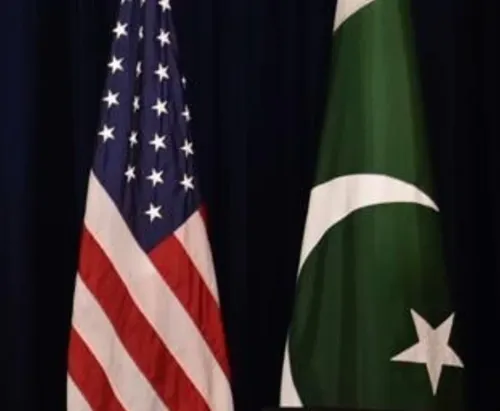
In December 2025, the U.S. Embassy in Islamabad announced the funding of a project through the U.S. Export-Import Bank amounting to $1.25 billion. Additionally, the IFC and the ADB have also offered substantial support. These actions signify a shift in perceptions within America regarding Pakistan's investment viability. Washington is now discussing concrete projects funded with actual capital rather than just future cooperation.
The surrounding security situation of Balochistan is increasingly critical. When U.S. strategic financing for a significant mining project hinges on it, the instability in the region transforms from a distant Pakistani issue to a matter of American strategic interest.
However, the United States is entering a space already influenced by China, which has vested interests in Pakistan due to its strategic location connecting South Asia, the Arabian Sea, and trade routes that could link Central Asia with maritime commerce. China is well aware of the significance of this geography.
In February 2025, Reuters reported that Beijing and Islamabad had agreed to enhance their collaboration in mining and infrastructure, particularly concerning the development of Gwadar Port. The breadth and institutional nature of China's interests in Pakistan were emphasized in the article.
Point of View
Security challenges, and the broader geopolitical implications without taking sides.
NationPress
6 Oct 2026
Frequently Asked Questions
What are the main challenges for US investments in Balochistan?
Security concerns and political instability are the primary challenges facing US investments in the mineral-rich Balochistan province.
Why is Balochistan significant for US mineral interests?
Balochistan is home to vast reserves of critical minerals, making it strategically important for US efforts to secure mineral resources.
How does China factor into US interests in Pakistan?
China's established influence in Pakistan, particularly in mining and infrastructure, presents a challenge for US ambitions in the region.
What role do US financial institutions play in Pakistan's mining sector?
US financial institutions, like the Export-Import Bank, are beginning to fund significant projects in Pakistan's mining sector, indicating a shift in investment strategy.
How does the demand for minerals affect US and Pakistan relations?
The rising global demand for essential minerals is driving interest and investment from the US, potentially strengthening ties with Pakistan.