Does the US plan to invest in Reko Diq mines ignore human rights violations in Balochistan?
Synopsis
The US's $1.25 billion investment in Reko Diq has sparked debate as Baloch citizens feel their rights are overlooked. This article reveals the stark contrast between international investment and the ongoing human rights violations in Balochistan, raising urgent questions about ethics and local consent.
Key Takeaways
US announces a $1.25 billion investment in Reko Diq project.
Balochistan faces severe human rights violations.
International law underscores the right to self-determination.
Investment may deepen local suffering.
Calls for transparency and human rights in foreign investments.
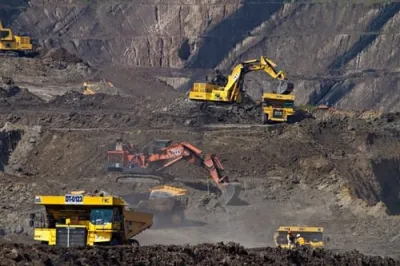
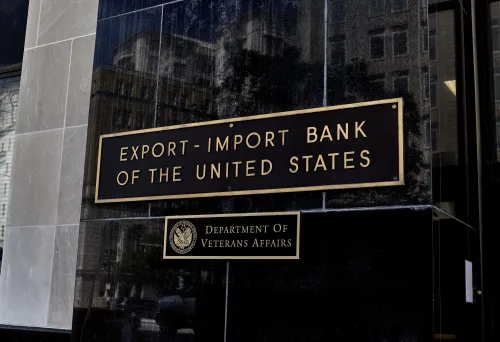
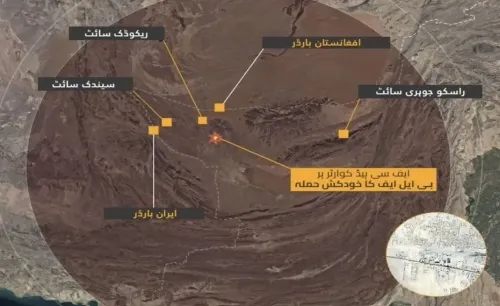
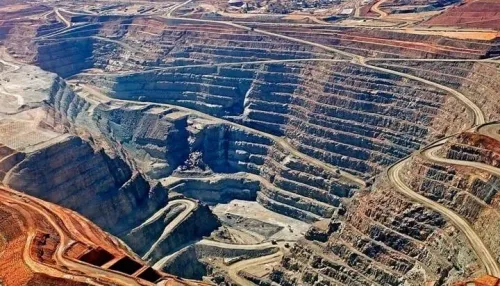
New Delhi, Jan 2 (NationPress) The recent disclosure by the US government of a $1.25 billion investment package aimed at extracting copper and gold from the Reko Diq mining project in Pakistan’s tumultuous Balochistan province has been interpreted by state officials as an indication of international faith in investing in the nation. However, for the Baloch populace, this is perceived as another instance where the world prioritizes minerals over human lives, as mentioned in an article from EU Today.
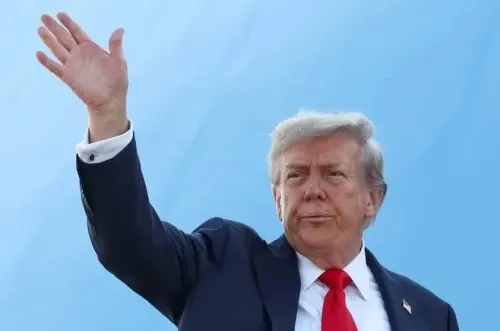
This announcement followed visits by Pakistan’s army chief, Field Marshal Asim Munir, and Prime Minister Shehbaz Sharif to Washington, where they discussed Pakistan’s mineral wealth with President Donald Trump to gain US backing for their geopolitical strategies.
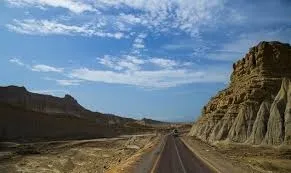
The article emphasizes that Balochistan remains one of the most heavily militarized and politically oppressed regions in South Asia. For decades, it has faced enforced disappearances, extrajudicial killings, torture, mass arrests, and military operations that have devastated entire communities.
In such a climate where human rights are routinely violated, the assertion of consent for large-scale mining ventures by the “so-called provincial government” raises significant doubts, the article argues.
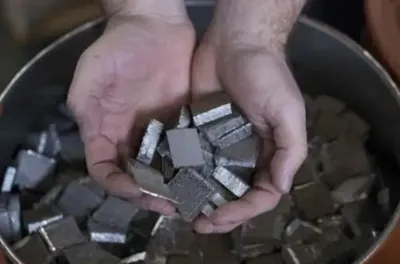
“International law is unequivocal: all peoples possess the right to self-determination and permanent sovereignty over their natural resources. These tenets are designed to avert exploitation under coercive circumstances. Yet in Balochistan, natural riches—gold, copper, gas, and now antimony—are extracted under a significant military presence, with scant consultation and minimal visible benefits for local communities. Agreements procured through intimidation cannot be deemed fair; they are imposed rather than negotiated,” the article points out.
The discussion surrounding development loses meaning when individuals lack democratic rights and live under the watchful eye of a repressive regime.
This is why US and other foreign investments in Reko Diq pose serious ethical dilemmas. In the absence of stringent human rights conditions, transparency, and independent oversight, such financial engagements risk transforming international players into tacit supporters of oppression,” it stated.
What is framed as “investment” by governments is perceived by many Baloch individuals as an endorsement of their suffering, underscoring the notion that “Balochistan’s minerals hold more value than Baloch lives,” the article highlighted.
Point of View
It should not come at the expense of the fundamental rights and dignity of the Baloch people. The focus must be on equitable development that respects local communities and their resources.
NationPress
25 Sept 2026
Frequently Asked Questions
What is the Reko Diq project?
The Reko Diq project is a mining venture in Balochistan, Pakistan, aimed at extracting copper and gold.
Why is the US investing in Reko Diq?
The US investment is seen as a way to bolster ties with Pakistan and tap into its mineral wealth, although it raises ethical concerns.
What are the human rights issues in Balochistan?
Balochistan has faced enforced disappearances, extrajudicial killings, and other forms of political repression.
How do local communities view foreign investments?
Many local communities feel sidelined and believe that foreign investments prioritize mineral extraction over their welfare.
What is the ethical concern surrounding this investment?
The primary concern is that investments may exacerbate human rights violations and lack genuine local consent.