What Steps Are Being Taken in Bihar to Address Pending Corruption Cases?
Synopsis
In a recent high-level meeting led by Bihar's Additional Chief Secretary, an urgent review of pending corruption cases was conducted. With over 3,000 complaints forwarded for investigation, the government emphasizes its commitment to zero tolerance towards corruption, aiming for timely actions and enhanced transparency.
Key Takeaways
Review of pending corruption cases emphasizes timely action.
Over 3,000 online complaints have been received.
Focus on departmental accountability and transparency.
Monthly review meetings mandated for improved oversight.
Online complaint system has enhanced grievance resolution.
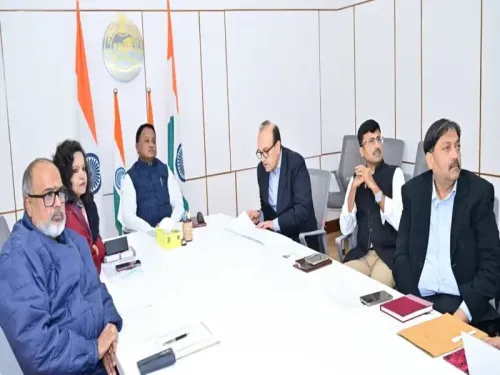
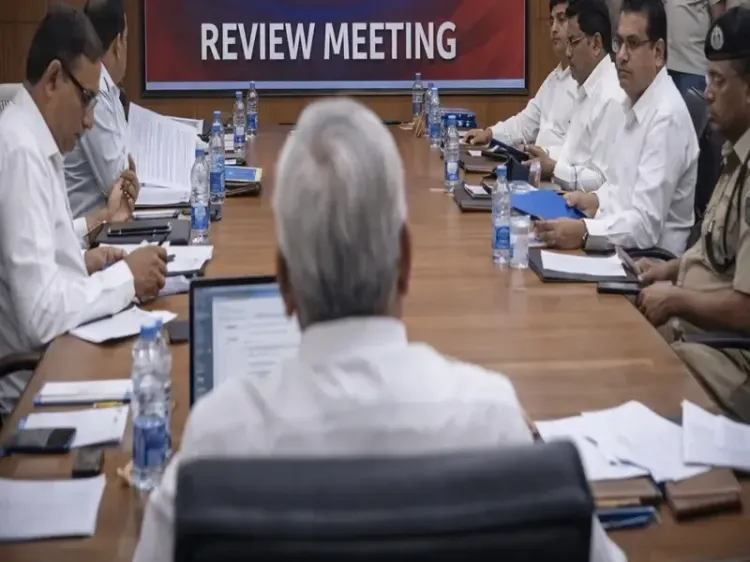
Patna, Jan 7 (NationPress) A significant meeting involving Chief Vigilance Officers (CVOs) from all government sectors took place on Wednesday in the conference hall of the Information and Public Relations Department. The session was led by Arvind Kumar Chaudhary, the Additional Chief Secretary (ACS) of the Bihar government.
The meeting conducted an in-depth review of outstanding corruption cases, along with online complaints submitted via the vigilance system, and assessed the status of prosecution approvals against government personnel.
The ACS emphasized that no leniency would be permitted at any level regarding corruption issues and instructed all departments to implement strict, timely actions.
During the assessment, it was disclosed that the Vigilance Department has sent over 3,000 online complaints to various departments for investigation and necessary actions.
The majority of these complaints were attributed to the Education Department, Urban Development and Housing Department, Home Department, Revenue and Land Reforms Department, and Agriculture Department.
Expressing dissatisfaction over delays in inquiries and reporting, the ACS mandated that pending investigation reports should be completed swiftly, and appropriate actions should be initiated promptly.
Jitendra Singh Gangwar, the Director General of the Vigilance Investigation Bureau, who was present, announced the launch of an online portal to bolster transparency, accountability, and operational efficiency in vigilance activities.
He revealed that in the previous year, 122 corruption cases were recorded, with 102 being trap cases where officials were apprehended while accepting bribes.
This demonstrates the Vigilance Department's ongoing and proactive measures against corruption and bribery within the state's administration.
The meeting also revisited the status of pending prosecution sanction cases, which are critical for commencing legal actions against the implicated officials.
Currently, there are 53 such cases awaiting approval from relevant departments, with the greatest delays noted in the Water Resources Department, Parliamentary Affairs Department, Education Department, Health Department, and General Administration Department.
The ACS urged these departments to eliminate procedural and legal hurdles and expedite prosecution sanctions to ensure that guilty officials are held accountable without delay.
To further enhance the vigilance framework, the ACS mandated that monthly review meetings should be conducted by the Chief Vigilance Officer in each department.
This initiative aims to enhance the monitoring of complaint resolutions and guarantee timely, effective actions against corruption.
It was also acknowledged during the meeting that the online complaint system introduced last year has markedly improved the efficiency of grievance redressal and tracking of vigilance-related complaints.
Point of View
It is crucial to highlight the Bihar government's commitment to tackling corruption head-on. The recent meeting underscores the serious approach being taken to address longstanding issues, enhancing transparency and accountability within government departments. This proactive stance is essential for restoring public trust and ensuring effective governance.
NationPress
2 Oct 2026
Frequently Asked Questions
What was the purpose of the high-level meeting?
The meeting aimed to review pending corruption cases and the status of prosecution sanctions against government officials.
Who chaired the meeting?
The meeting was chaired by Arvind Kumar Chaudhary , the Additional Chief Secretary to the Bihar government.
How many online complaints have been forwarded for investigation?
More than 3,000 online complaints have been forwarded to various departments for investigation.
What departments had the highest number of complaints?
The highest number of complaints were related to the Education Department , Urban Development and Housing Department , Home Department , Revenue and Land Reforms Department , and Agriculture Department .
What measures are being taken to improve transparency?
An online portal has been launched at the bureau level to enhance transparency and operational efficiency in vigilance activities.