Will the White House's Warning to Iran Lead to Military Action?
Synopsis
In a significant development, the Trump administration has issued a strong warning to Iran, signaling a potential shift towards military action. As tensions rise over nuclear negotiations, this article explores the implications of the White House's stance and what it means for U.S.-Iran relations.
Key Takeaways
Trump's administration issued a warning to Iran.
Diplomatic negotiations have stalled.
Military action remains a viable option.
Operation Midnight Hammer was a notable military success.
Strength is viewed as a deterrent to conflict.
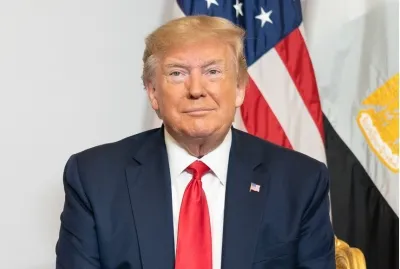
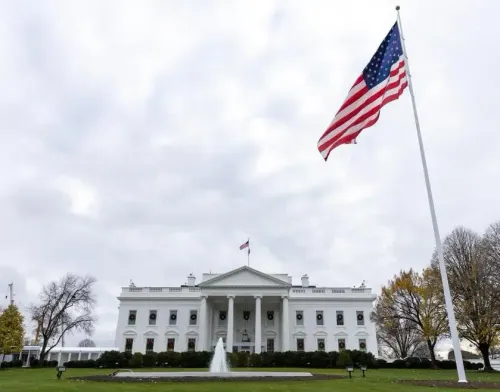
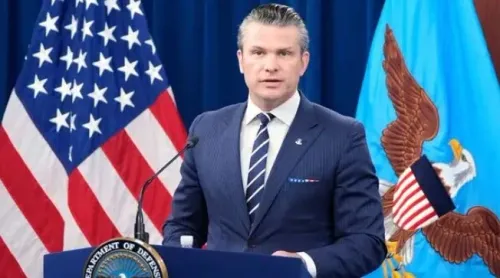
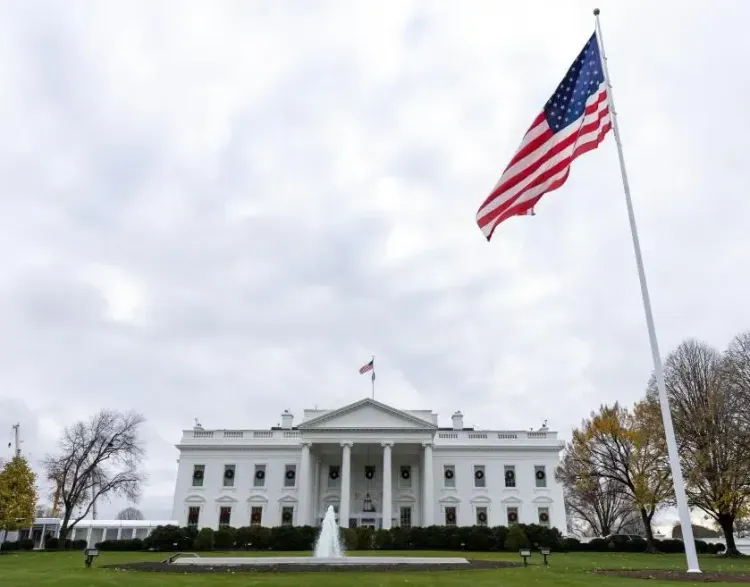
Washington, Jan 7 (NationPress) The Trump administration issued a stern warning to Iran on Wednesday, emphasizing that the President has demonstrated a readiness to employ military force following the breakdown of diplomatic efforts.
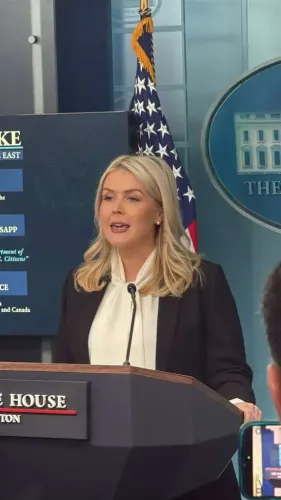
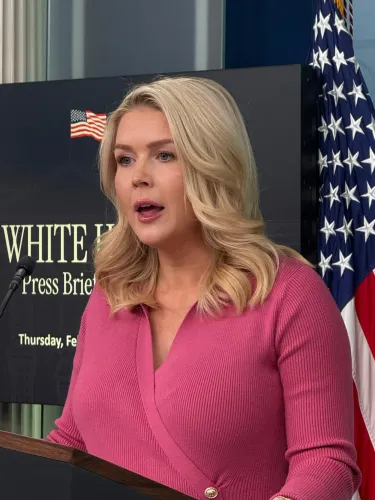
White House Press Secretary Karoline Leavitt stated that President Donald Trump initially pursued negotiations with Tehran regarding its nuclear agenda but took assertive action when discussions stalled.
“He sought to engage in a serious dialogue concerning the Iranian regime's nuclear capabilities,” Leavitt remarked. “However, they showed no interest.”
This refusal, she noted, directly resulted in military intervention by the U.S.
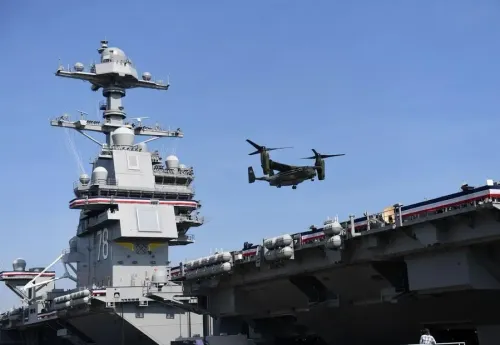
“Thus, Operation Midnight Hammer was launched, marking yet another significant military achievement under this commander in chief,” she explained.
Leavitt characterized this incident as indicative of Trump's foreign policy strategy, which prioritizes diplomacy but keeps military options open.
“The President maintains flexibility,” she added. “Yet, diplomacy remains the primary approach.”
These comments arose amid discussions about escalating tensions related to sanctions enforcement and U.S. measures against illegal oil shipments associated with hostile nations.
When questioned about the potential for tanker seizures and sanctions to provoke a broader conflict, Leavitt reaffirmed the administration's commitment to act in accordance with U.S. interests.
“This administration will rigorously uphold the sanctions policy of the United States,” she asserted.
She emphasized that the U.S. is unafraid to implement its policies when confronted.
“He isn’t hesitant to take action,” Leavitt stated regarding the President.
Leavitt dismissed claims that enforcement measures could harm relations with major powers, asserting that Trump has maintained open lines of communication with global leaders.
“The President has established very open, honest, and constructive relationships with both President Putin of Russia and President Xi of China,” she noted, indicating that he has conversed with them “numerous times” since returning to office.
Concerning Iran, Leavitt reiterated that Trump’s stance aligns with his overarching strategy of deterrence.
“President Trump considers all options as he evaluates what is in the best interest of the United States,” she declared.
She pointed out that the administration believes that displaying strength diminishes the likelihood of extended conflict and enhances leverage during negotiations.
The White House has consistently framed Trump’s foreign policy philosophy as “peace through strength,” positing that credible military power deters adversaries from escalating tensions.
Point of View
It's crucial to recognize the delicate balance between diplomacy and military action in international relations. The NationPress remains committed to delivering unbiased news, focusing on the implications of such warnings and their potential impact on global peace and stability. Our priority is to provide our readers with comprehensive perspectives on these critical issues.
NationPress
3 Oct 2026
Frequently Asked Questions
What prompted the White House's warning to Iran?
The warning was issued after diplomatic efforts to engage Iran over its nuclear program stalled, leading the administration to signal a readiness to use military force.
What is Operation Midnight Hammer?
Operation Midnight Hammer refers to a military action taken by the U.S. as a response to Iran's refusal to negotiate on nuclear capabilities.
How does the Trump administration view its relationship with Russia and China?
The administration believes that President Trump has maintained open and constructive relationships with both President Putin of Russia and President Xi of China, despite tensions with other nations.
What is the U.S. strategy towards Iran?
The U.S. strategy towards Iran includes a combination of diplomatic efforts and military readiness, with a focus on deterrence and maintaining national interests.
How does the White House define its foreign policy approach?
The White House defines its foreign policy approach as 'peace through strength,' emphasizing that credible military power can deter adversaries.