Is the Sufi Shrine in Pakistan a 'Notorious' Hub for Converting Hindu Girls?
Synopsis
The Pir Sarhandi shrine in Umerkot, Pakistan, has been labeled a 'notorious' center for the forced conversion of Hindu girls, raising serious concerns among minority rights advocates. With alarming reports of abductions and coercion, the issue has sparked fear within local Hindu communities.
Key Takeaways
Allegations of forced conversions at a Sufi shrine in Pakistan are raising alarms.
The shrine targets vulnerable Hindu girls , particularly from poor communities.
Many of the victims are minors , highlighting the urgency of the situation.
Political connections are said to shield the shrine from accountability.
The ongoing situation demands immediate global attention .
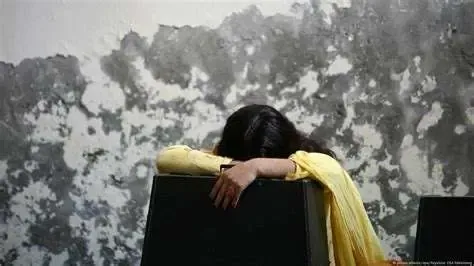
Islamabad, Dec 4 (NationPress) A prominent organization advocating for minority rights has expressed serious alarm regarding the Pir Sarhandi shrine located in the Umerkot area of Pakistan. This Sufi shrine has allegedly evolved into a particularly infamous site for the conversion of Hindu girls and women, especially targeting those from economically disadvantaged and lower-caste backgrounds in Sindh province.
As reported by the Voice of Pakistan Minority (VOPM), Hindu families from various indigenous groups, including Bheel, Meghwar, and Kohli, have long accused the shrine of being involved in the abduction, coercion, and forced conversion of their daughters. Many of these girls are reported to be minors, some as young as 12 to 15 years old.
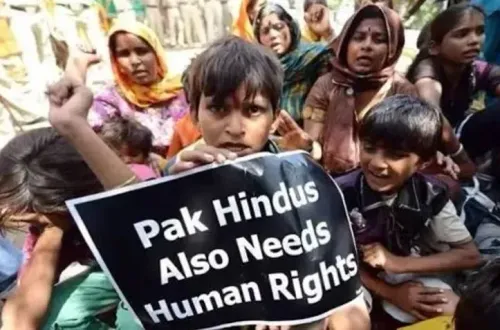
“In a region where Hindus constitute over 50 percent of the population, the Sarhandi shrine stands as a symbol of dread for minority families. Many now fear that any daughter who ventures outside may never return,” the VOPM stated on X.
The controversy centers around the shrine's cleric, Pir Muhammad Ayub Jan Sarhandi, who boasts of overseeing “thousands” of conversions, predominantly involving Hindu girls. His brother, Pir Waliullah, shares the same claims.
“Conversions typically follow a disturbing trend: a Hindu girl disappears—either enticed or abducted—only to reappear at the Sarhandi shrine already converted and wed to a Muslim man, often without any age verification or consent checks,” VOPM noted.
The shrine’s madrassa, Gulzar-i-Khalil, is described as a rapid conversion mechanism where ceremonies are conducted expeditiously. Critics suggest this haste is designed to provide legal protection to abductors before families can take action.
Notable cases linked to the shrine, such as Kavita Meghwar in 2017 and Arzoo Kumari in 2024, alongside numerous unnamed minors in 2025, showcase how Hindu girls are ensnared in this cycle of forced conversion, leaving their families powerless and silenced.
Despite persistent protests from Hindu communities, activists, and legislators, the VOPM indicates that the shrine continues to operate unimpeded, aided by its political ties with the Pakistan Muslim League (F) and local power brokers, fostering an atmosphere of impunity.
“While the group maintains that these conversions are ‘voluntary,’ the pervasive pattern—underage girls, sudden disappearances, expedited marriages, and obstructed investigations—reveals a system designed to exploit vulnerable Hindu women,” the rights organization emphasized.
Point of View
It’s crucial to underscore the ongoing plight faced by Hindu communities, especially as reports emerge of forced conversions at the Pir Sarhandi shrine. The disturbing patterns of abduction and coercion require urgent attention from both local authorities and global human rights advocates.
NationPress
25 Sept 2026
Frequently Asked Questions
What is the significance of the Pir Sarhandi shrine?
The Pir Sarhandi shrine has become a focal point for concerns over the forced conversion of Hindu girls in Pakistan, particularly affecting economically disadvantaged families.
Who is behind the alleged conversions?
Clerics, particularly Pir Muhammad Ayub Jan Sarhandi and his brother Pir Waliullah, are accused of overseeing and promoting these conversions.
What measures are being taken to address this issue?
Despite protests and advocacy from minority rights groups, the shrine continues to operate, highlighting a lack of effective legal measures to protect affected families.
Are there documented cases of forced conversions?
Yes, there have been numerous cases, such as Kavita Meghwar and Arzoo Kumari, that illustrate the troubling pattern of forced conversions at the shrine.
How does this issue affect local communities?
The fear of abduction and forced conversion has created a climate of anxiety among Hindu families, significantly impacting their daily lives and freedoms.