Did the Supreme Court Postpone Wasifuddin Dagar's Plea Against A.R. Rahman Over 'Ponniyin Selvan II' Song?
Synopsis
The Supreme Court adjourned the plea of Ustad Faiyaz Wasifuddin Dagar against A.R. Rahman regarding the song 'Veera Raja Veera' from 'Ponniyin Selvan II.' This raises questions about acknowledgment in classical music traditions. The court's remarks highlight the need for respect and recognition within the classical music community.
Key Takeaways
Supreme Court adjourned the plea to February 20.
Dagar claims Rahman's song is inspired by 'Shiva Stuti.' CJI emphasized the need for acknowledgment in music.
Delhi High Court's ruling overturned interim relief for Dagar.
Case highlights traditional music rights and authorship issues.
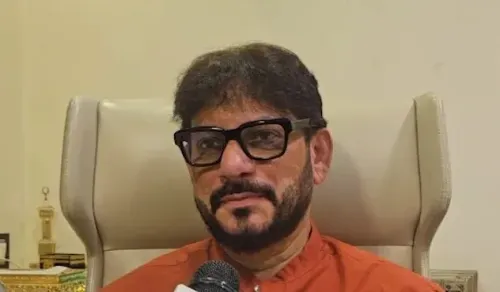
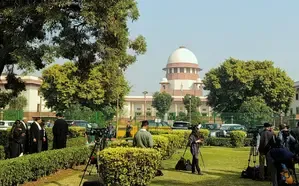
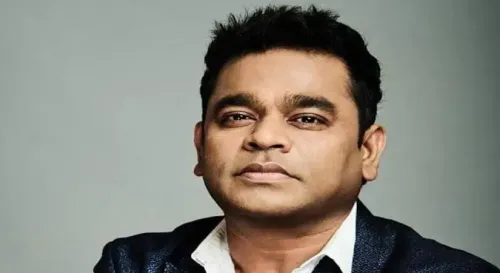
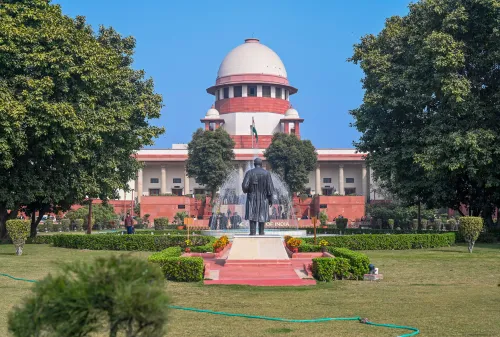
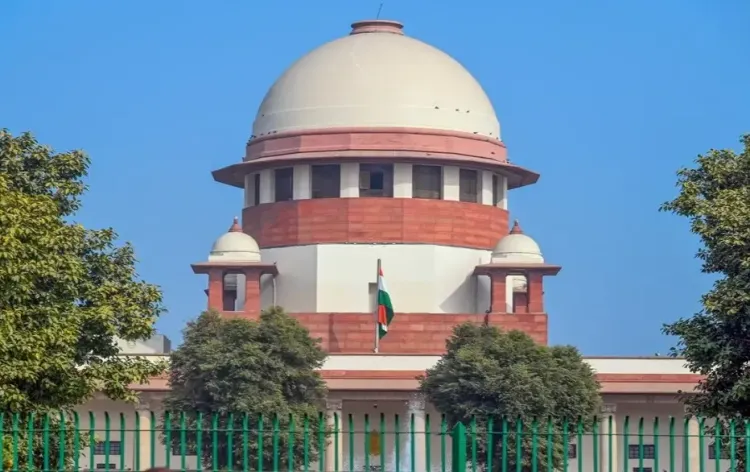
New Delhi, Feb 13 (NationPress) The Supreme Court convened on Friday and postponed a plea submitted by the esteemed classical vocalist Ustad Faiyaz Wasifuddin Dagar to February 20. This plea is directed against music composer A.R. Rahman, who is accused of drawing inspiration for the song “Veera Raja Veera” from the traditional family composition “Shiva Stuti”, featured in the Tamil film “Ponniyin Selvan II”.
During the proceedings, a Bench led by Chief Justice of India (CJI) Surya Kant and Justice Joymalya Bagchi remarked on the significant impact of the Dagarvani tradition on Indian classical music, emphasizing its esteemed history.
The CJI suggested that rather than delving into intricate legal matters, some form of acknowledgment could be beneficial. He stated, “There should be some acknowledgment. They are traditional worshippers of classical music. They are not in the competitive field. They want respect and recognition.”
Addressing senior advocate Abhishek Manu Singhvi, representing Rahman, the apex court remarked, “Your client is also a well-known composer.” Further adding, “If these gharanas had not contributed to the shastriya sangeet, do you think these modern singers would have managed?”
In response to the court's suggestions, Singhvi remarked, “I hear your lordship’s subtext. You are not on the law or the fight. My lords are now saying add that one line regarding performance. I will take instructions.”
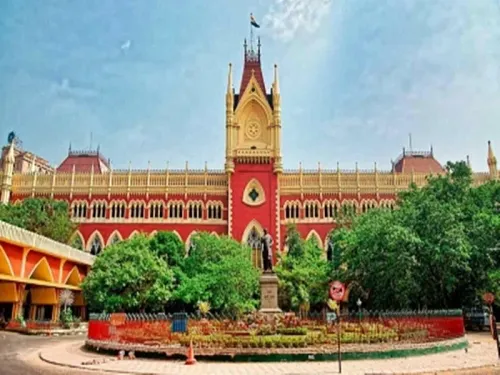
The CJI Kant-led Bench has adjourned the case for further deliberation. Previously, the Delhi High Court had, on September 24, 2025, overturned an interim order mandating Rahman and the film’s producers to pay Rs 2 crore and to adjust song credits in favor of the Junior Dagar Brothers.
A division bench comprising Justices C. Hari Shankar and Om Prakash Shukla concluded that there was insufficient prima facie evidence to prove that the late Ustad N. Faiyazuddin Dagar and Ustad N. Zahiruddin Dagar—widely recognized as the Junior Dagar Brothers—were the authors or composers of “Shiva Stuti”.
The Delhi High Court made a clear distinction between the rights of performers and authorship, indicating that “mere performance or fixation of a musical piece does not, by itself, confer copyright in the underlying composition.”
Overruling the single-judge Bench's decision, the Justice Hari Shankar-led Bench determined that the evidence presented by Wasifuddin Dagar, which included performance recordings and album inlays, at most indicated performance rights under copyright law and could not substantiate claims of authorship.
It was further noted that “Shiva Stuti” is part of the broader Dagarvani or Dhrupad tradition of Hindustani classical music, which has historically been passed down orally through generations. Recognizing exclusive copyright claims over such works could significantly impact the guru-shishya parampara.
Displeased with the annulment of interim relief, Wasifuddin Dagar has now escalated the matter to the Supreme Court, seeking the reinstatement of acknowledgment and protection of the moral and copyright interests of the Junior Dagar Brothers.
Point of View
It's crucial to highlight the intersection of tradition and modernity in the Indian classical music scene. The ongoing legal developments underscore the importance of recognizing contributions from classical music traditions while navigating contemporary interpretations. It's a reminder that respect and acknowledgment within this vibrant cultural landscape are paramount.
NationPress
3 Oct 2026
Frequently Asked Questions
What is the main issue in the Supreme Court case?
The main issue is Ustad Faiyaz Wasifuddin Dagar's claim that A.R. Rahman's song 'Veera Raja Veera' from 'Ponniyin Selvan II' is inspired by his family's traditional composition 'Shiva Stuti.'
Why did the Supreme Court adjourn the case?
The Supreme Court adjourned the case to allow further deliberation on the claims made by Wasifuddin Dagar and to consider the importance of acknowledgment in classical music.
What did the court suggest regarding acknowledgment?
The court suggested that some form of acknowledgment could be beneficial rather than engaging in detailed legal arguments.
What was the outcome of the Delhi High Court's previous ruling?
The Delhi High Court had overturned an interim order that required Rahman and the film's producers to pay Rs 2 crore and modify song credits in favor of the Junior Dagar Brothers.
What does this case signify for Indian classical music?
This case signifies the ongoing dialogue about the rights of traditional artists and the recognition of their contributions in the evolving landscape of Indian classical music.