How Are the Telugu States Celebrating Makar Sankranti?
Synopsis
The vibrant Telugu states of Andhra Pradesh and Telangana are celebrating Makar Sankranti, a colorful harvest festival filled with joy, traditional sports, and family reunions. As the skies fill with kites, the festive spirit brings people together, showcasing rich cultural heritage and community bonding.
Key Takeaways
Makar Sankranti is a significant harvest festival in Telugu states.
Festivities include kite flying and traditional sports.
Homes are decorated with Rangoli and marigold flowers .
Special dishes like chakkara pongal are prepared.
Community bonding is a key aspect of the celebrations.
Vijayawada, Jan 15 (NationPress) The Telugu regions of Andhra Pradesh and Telangana welcomed 'Makar Sankranti' on Thursday, celebrating this vibrant harvest festival with much enthusiasm and joy.
Throughout the countryside, both states radiated a festive spirit, adorned with decorated homes, kite flying, cockfights, bullfights, and various sports on this second day of the three-day celebration.
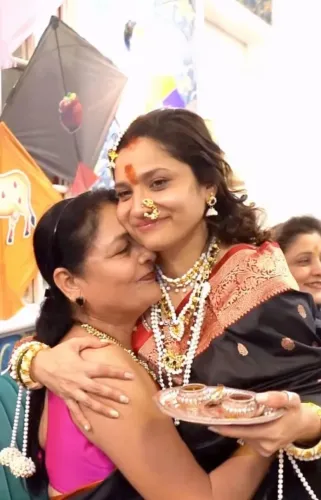
The villages transformed into vibrant hubs during Sankranti, regarded as the most significant festival. The day commenced with individuals of all ages donning their finest attire to offer prayers at temples.
Homes were embellished with marigold flowers and mango leaves. Women artistically crafted Rangoli designs in their front yards, creating cow dung balls known as 'Gobbemma' that were placed within the colorful Rangoli patterns alongside offerings of fresh harvests including rice, turmeric, and sugarcane.
Delicious 'chakkara pongal' or rice kheer was prepared by the women, made with new rice, jaggery, and milk, allowed to boil over to symbolize prosperity.
Unique figures known as 'Haridasus' and 'Basvannas', dressed in traditional attire and accompanied by ornately decorated oxen, visited villages to collect alms.
A heartfelt tribute was paid by farmers who adorned their bullocks and honored them for their vital role in the harvest.
This festival provided families an opportunity to reunite in their hometowns and villages. Many individuals traveled from various parts of the country and even overseas to celebrate with loved ones.
Lakhs of residents from Hyderabad journeyed back to their roots in Andhra Pradesh and Telangana for the festivities, leaving city streets notably quiet.
To accommodate the surge in travelers, authorities operated hundreds of special buses and trains from Hyderabad to various destinations in both states in the days leading up to the festival.
For children of families residing in urban areas or abroad, this occasion offered a chance to experience rural life firsthand. They visited fields and engaged in various traditional sports.
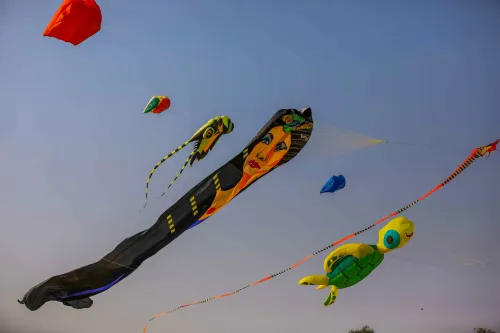
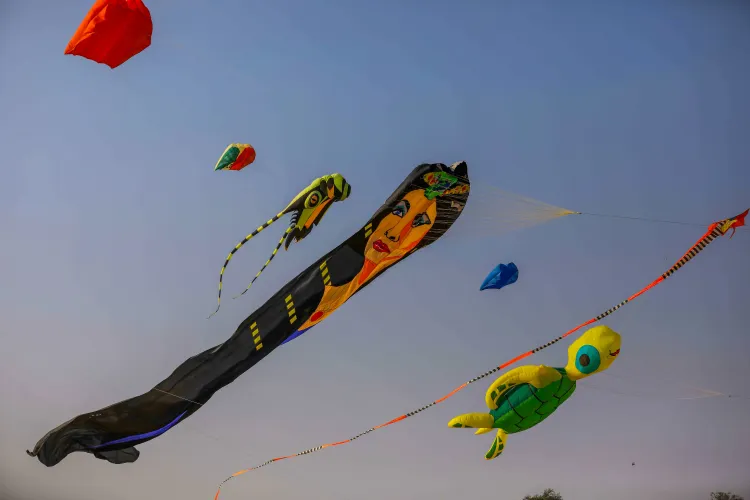
The skies above Hyderabad and other towns in both states were filled with vibrant kites, as popular Hindi and Telugu songs echoed from speakers while youngsters joyfully flew kites from rooftops.
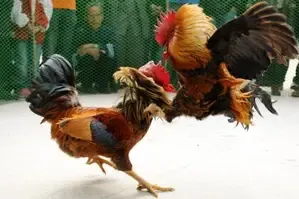
Despite court orders banning them, cockfights continued to be organized at numerous locations across the two states for the second consecutive day.
These events unfolded openly in coastal Andhra Pradesh, with bettors wagering crores of rupees on the roosters.
Some politicians, including legislators, inaugurated these cockfights, claiming they are integral to Telugu culture and that Sankranti would be incomplete without them.
The police stated they were focused on those tying knives to roosters and involved in betting or other illegal activities.
Andhra Pradesh Chief Minister N. Chandrababu Naidu celebrated Sankranti with his family in his hometown of Naravaripalle village in Tirupati district, alongside his wife Bhuvaneswari, son Nara Lokesh, daughter-in-law Brahmani, grandson Devansh, and other relatives, as they worshipped the village deity Nagalamma.
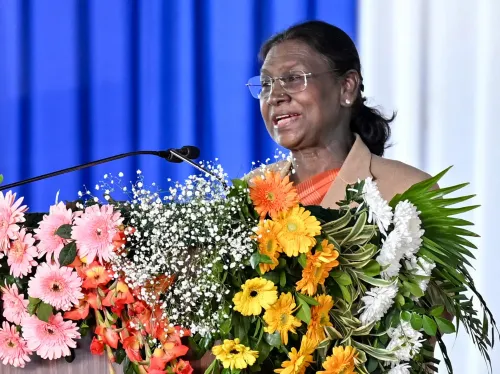
The Chief Minister extended his greetings to the public on this occasion, wishing that the festival brings joy and prosperity. He expressed hope that the villages, rich in crops, would shine brightly, and emphasized the importance of maintaining traditions while embracing modernity. He assured that farmers will find happiness, laborers will reap rewards for their hard work, and the government will act responsibly through suitable schemes to support them.
Similarly, Telangana Chief Minister A. Revanth Reddy shared his greetings, noting that this Sankranti was marked by Telangana's 'people’s government' achieving a new record by procuring 70.82 lakh tonnes of paddy from farmers while ensuring they received the Minimum Support Price (MSP).
Point of View
It's crucial to recognize the cultural importance of Makar Sankranti in the Telugu states. This festival not only showcases regional traditions but also emphasizes community bonding and agricultural appreciation. The celebrations reflect a blend of joy and respect for nature's bounty, fostering a sense of unity among the people, which is essential for societal harmony.
NationPress
6 Oct 2026
Frequently Asked Questions
What is Makar Sankranti?
Makar Sankranti is a harvest festival celebrated in various parts of India, marking the transition of the sun into the zodiac sign of Capricorn. It symbolizes the end of winter and the beginning of the harvest season.
How do people celebrate Makar Sankranti in Andhra Pradesh and Telangana?
The celebration includes decorating homes, flying kites, preparing traditional dishes like chakkara pongal, and participating in various sports and cultural activities.
What traditional foods are prepared during Makar Sankranti?
Traditional foods include chakkara pongal, made of new rice, jaggery, and milk, along with other sweets and savory dishes prepared for family gatherings.
Are there any specific customs associated with Makar Sankranti?
Yes, customs include decorating homes with marigold flowers and rangoli, performing prayers at temples, and the ritualistic worship of farm animals.
Why are cockfights associated with Makar Sankranti?
Cockfights, considered a part of the traditional festivities in some regions, are seen as a cultural event despite legal controversies surrounding them.