Why Has the ECI Found Three Polling Booths in Bengal Without a Single ‘Self’ Voter?
Synopsis
The ECI has raised eyebrows by identifying three polling booths in West Bengal with no 'self' voters, prompting a review. This unusual situation has sparked concerns about electoral integrity.
Key Takeaways
The ECI has found three polling booths in West Bengal with no 'self' voters. 'Self' voters are those registered in the 2002 voters' list.
The booths are predominantly filled with 'progeny' voters.
An investigation into these irregularities has been mandated.
Electoral officials are warned against any misconduct.
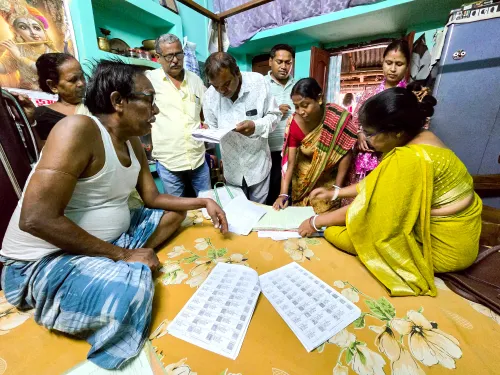
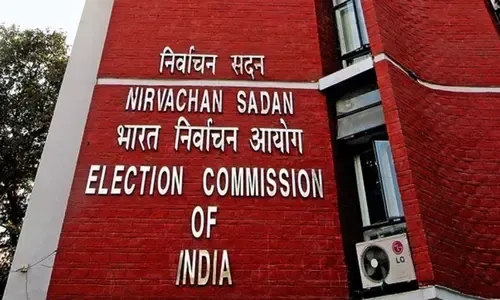
Kolkata, Dec 4 (NationPress) The Election Commission of India has flagged three polling booths in West Bengal where there are absolutely no “self” voters. A voter is classified as a “self” during the ongoing Special Intensive Revision (SIR) by the ECI if their name appears in the voters’ list from 2002, which serves as the baseline for this revision exercise.
According to sources from the office of the Chief Electoral Officer (CEO) of West Bengal, these three booths consist entirely of “progeny” voters, meaning that all voters have their parents listed in the 2002 voters’ list.
A “progeny” voter is defined as someone whose parents are registered in the voters’ list from the base year.
Considering this situation highly improbable, the ECI has mandated a thorough reevaluation of these booths.
The first booth in question is Part Number 110 located in the Dinhata Assembly constituency within Cooch Behar district, where none of the 782 voters are classified as “self” voters.
The second booth is Part Number 53 in the Pandua Assembly constituency of Hooghly district, where all 668 voters fall into the “progeny” category.
The third booth, Part Number 48, is situated in the Kultali Assembly constituency of South 24 Parganas district, with 768 voters, none of whom are “self” voters.
Under the SIR guidelines, both “self” and “progeny” voters—those with names or whose parents' names appear in the 2002 list—are automatically recognized as legitimate voters. Thus, they do not need to provide any documentation to maintain their names in the voter list during the ongoing SIR.
However, sources from the CEO's office expressed skepticism regarding the absence of “self” voters in these polling booths.
“This is why the ECI has called for a reexamination of these three booths. The commission also warned that should any irregularities be discovered involving booth-level officers, election registration officers, or assistant election registration officers, severe disciplinary action will follow,” added the sources from the CEO's office.
Additionally, it was revealed that the number of booths in West Bengal identified as lacking any deceased voters, duplicate voters, or voters who have moved, has significantly reduced from 2,208 on Monday evening to just 29 by Wednesday evening, with the count dropping to 480 by Tuesday evening.
Point of View
It’s crucial to uphold the integrity of the voting process in our democracy. The ECI's decision to investigate these discrepancies reflects a commitment to transparency and fairness in elections. We must remain vigilant and ensure every vote counts.
NationPress
1 Oct 2026
Frequently Asked Questions
What defines a 'self' voter?
A 'self' voter is classified as an individual whose name appears on the voters' list from the base year of 2002 during the Special Intensive Revision by the ECI.
Why is the absence of 'self' voters concerning?
The absence of 'self' voters in polling booths raises questions about the accuracy of the electoral rolls and potential irregularities in the voter registration process.
What actions will the ECI take in response to these findings?
The ECI has ordered a review of the identified polling booths and has warned of strict disciplinary measures against any electoral officers found involved in misconduct.