Is There a Rule for Three Saplings for Every Tree Cut in the Pirpainti Power Project?

Synopsis
As the Pirpainti Power Project develops in Bhagalpur, farmers voice concerns over tree removals. District officials assure compliance with environmental regulations, enforcing a rule of three saplings for every tree cut. Will this balance development with ecological responsibility?
Key Takeaways
Three saplings are to be planted for each tree cut.
The project is designed to mitigate environmental damage .
Maintenance of saplings is funded by the project company.
Local farmers remain concerned about their livelihoods .
Officials claim that development and ecological responsibility can coexist.
Bhagalpur, Dec 24 (NationPress) In the midst of ongoing efforts to develop a power plant in Bihar’s Bhagalpur district, local farmers have raised alarms regarding the removal of trees from land acquired by the government in the Pirpainti region.
As construction preparations progress, the district administration is striving to assure community members that all environmental regulations and government standards are being rigorously adhered to.
In an interview with IANS, Bhagalpur District Magistrate Nawal Kishor Choudhary shared that the Bihar government has specific guidelines concerning the removal of trees on acquired land.
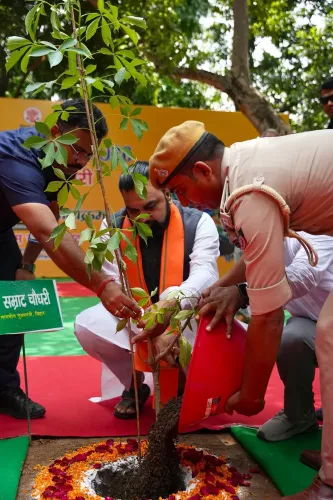
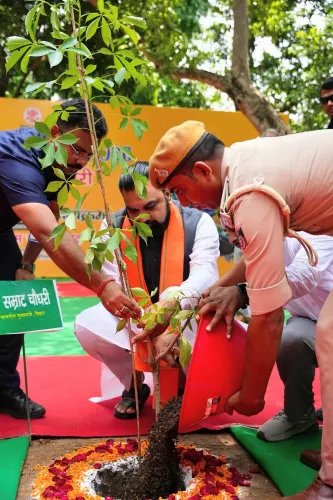
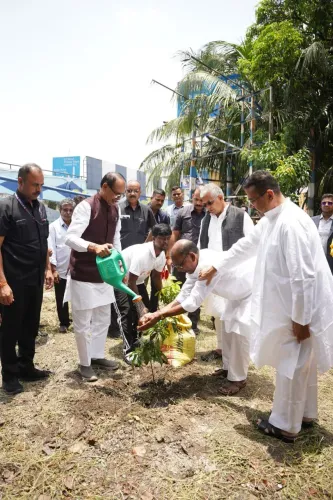
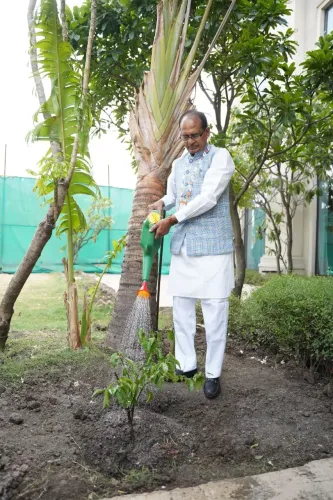
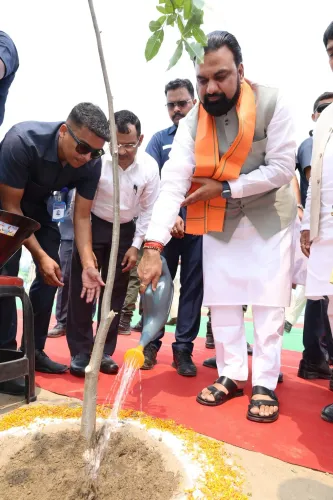
According to the regulations in place, for every tree that is removed, three saplings are mandated to be planted as a form of compensation. This policy is being strictly enforced.
The initiative aims to mitigate environmental harm and maintain ecological balance in the area.
Dr. Chaudhary elaborated that responsibility for the care and maintenance of the saplings extends beyond mere planting.
The company tasked with the power plant project has already contributed a specified sum to the Forest Department to cover all associated costs.
These expenses encompass soil preparation, labor, water supply, and other essential resources needed for the healthy growth of the plants.
The District Magistrate emphasized that the funds allocated are designed to ensure the ongoing nurturing of the saplings, dispelling any notion that planting is merely a formality.
The administration has firmly stated that environmental protections are fundamental to the project, not merely an afterthought.
Officials maintain that all development activities in Pirpainti are being executed in compliance with government norms, environmental guidelines, and local concerns.
Despite these reassurances, some farmers in the region continue to express worries about the potential impact of the project on their livelihoods and environment. The removal of trees and land acquisition have understandably sparked fears regarding agriculture, water availability, and long-term sustainability.
Nevertheless, district officials are confident that development and environmental stewardship can coexist.
By enforcing compensatory afforestation and ensuring adequate funding for plant care, the administration seeks to balance infrastructure advancement with ecological responsibility as the Pirpainti power plant project unfolds.
Point of View
I observe that the ongoing developments in Bhagalpur raise significant concerns about environmental impacts. While the administration emphasizes compliance with ecological regulations, the apprehensions of local farmers must also be addressed. Striking a balance between infrastructure development and environmental sustainability is essential for the long-term health of the community and its ecosystem.
NationPress
22 Sept 2026
Frequently Asked Questions
What is the tree compensation policy for the Pirpainti Power Project?
For every tree that is cut down, three new saplings must be planted as compensation, according to the regulations in place.
How is the maintenance of the saplings ensured?
The company involved in the project has deposited funds with the Forest Department to cover expenses related to soil preparation, labor, water supply, and nurturing the saplings.
Are environmental regulations being followed in this project?
Yes, the district administration asserts that all activities related to the project are in compliance with environmental guidelines and government norms.
What are the concerns of local farmers?
Farmers have expressed anxiety over the impact of tree removals and land acquisitions on agriculture, water availability, and long-term sustainability.
Can development and environmental protection coexist?
District officials are confident that development and environmental protection can proceed together through measures like compensatory afforestation.