Tigress T138 released into Buxa Tiger Reserve, West Bengal's first reintroduction
Synopsis
For the first time, West Bengal has a wild tiger back in Buxa — a reserve that was confirmed completely tigerless in 2018. Tigress T138, airlifted from Bihar by an IAF helicopter and cleared by wildlife doctors, stepped into Buxa's core forest on 5 October, launching India's latest — and most watched — big-cat reintroduction bid.
Key Takeaways
Tigress T138 , a Royal Bengal tigress , was released into Buxa Tiger Reserve , West Bengal, on 5 October 2026 — the state's first tiger reintroduction.
T138 was translocated from Bihar's Valmiki Tiger Reserve and airlifted to Hasimara Air Force Station on 30 September using an Indian Air Force MI-17 helicopter .
The 2018 tiger census had confirmed the complete absence of tigers at Buxa; the last recorded sighting was during the 2012 estimation .
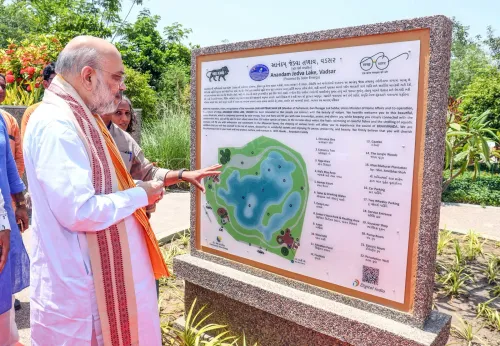
Union Environment Minister Bhupender Yadav inspected BTR on 2 October alongside West Bengal CM Suvendu Adhikari and Alipurduar MP Manoj Tigga .
The release coincided with the nationwide launch of National Wildlife Week .
Tigress T138, a Royal Bengal tigress translocated from Bihar's Valmiki Tiger Reserve, has been released into the wild at West Bengal's Buxa Tiger Reserve (BTR), Union Environment Minister Bhupender Yadav announced on Monday, 5 October 2026. The release marks the first tiger reintroduction in West Bengal and a pivotal moment in efforts to restore the apex predator to a reserve that had gone completely tigerless.
How the Release Unfolded
The three-year-old tigress was airlifted from Bihar to north Bengal on 30 September, travelling from Gorakhpur airport to Hasimara Air Force Station aboard an Indian Air Force MI-17 helicopter in an automatic cage, with full medical support throughout the journey. On landing at Hasimara, two wildlife doctors and tiger experts conducted a thorough health examination lasting more than an hour, assessing her physical parameters before she was transported by road to the reserve.
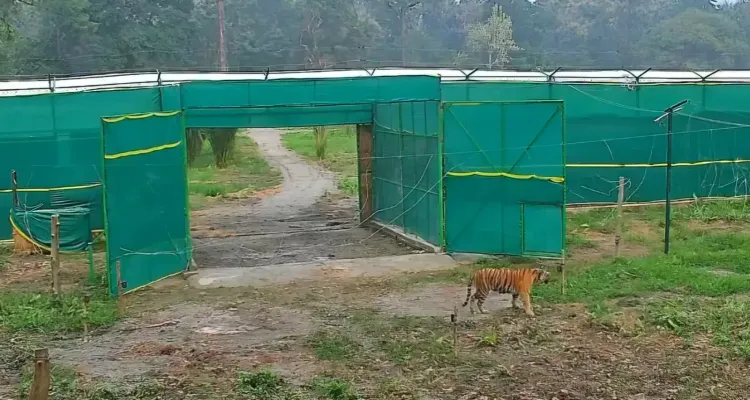
T138 was kept in a temporary holding enclosure within Buxa before being formally released into the core forest area. Minister Yadav shared a video on X of the moment the tigress stepped out of her enclosure and entered the forest, writing: 'T138 steps out of the enclosure and into the jungle.'
Why Buxa Lost Its Tigers
The urgency of this reintroduction is underscored by Buxa's recent conservation history. The 2018 tiger census confirmed the complete absence of tigers from the reserve — a sobering finding for one of West Bengal's two designated tiger reserves. A few tigers had been recorded during the 2012 estimation, but their numbers subsequently declined to zero. Buxa, situated in Alipurduar district in north Bengal, remains a critical wildlife corridor and habitat, making the population collapse particularly consequential for the region's ecological balance.
What the Government Said
Minister Yadav visited Buxa Tiger Reserve on 2 October to review preparations for the release, a visit that coincided with the nationwide launch of National Wildlife Week. During the inspection, he underlined the importance of restoring big cats to Buxa and noted that the reserve — alongside the Sundarbans — is West Bengal's designated tiger habitat and must sustain its native apex predators. West Bengal Chief Minister Suvendu Adhikari and Alipurduar MP Manoj Tigga accompanied Yadav during the field visit.
Conservation Significance and What Comes Next
This reintroduction represents a landmark in Indian wildlife management, applying the translocation model — previously used in projects such as the cheetah reintroduction programme — to tiger conservation at the state level. T138's release is expected to mark the beginning of a fresh phase in re-establishing a viable tiger population in Buxa. Notably, this effort strengthens the broader conservation landscape of north Bengal, where Buxa functions as a key wildlife linkage zone between Bhutan and India. Wildlife authorities will monitor the tigress closely as she acclimatises to her new territory, with her movements likely to inform future decisions on additional translocations to the reserve.
Point of View
But the harder work begins now. Buxa lost its tigers not because the habitat disappeared but because prey depletion and human pressure made the ecosystem inhospitable — conditions that a single tigress cannot reverse on her own. The success of this reintroduction will depend entirely on whether wildlife managers address those root causes rather than treating the translocation as an end in itself. India's cheetah reintroduction taught a costly lesson about the gap between a symbolic release and a self-sustaining population; Buxa cannot afford the same trajectory.
NationPress
5 Oct 2026
Frequently Asked Questions
What is the significance of tigress T138's release at Buxa Tiger Reserve?
The release of T138 marks West Bengal's first tiger reintroduction, as the 2018 tiger census had confirmed the complete absence of tigers at Buxa Tiger Reserve. This is a major step in efforts to re-establish a viable tiger population in one of the state's two designated tiger habitats.
Where was T138 translocated from, and how was she transported?
T138 was translocated from Bihar's Valmiki Tiger Reserve. She was airlifted on 30 September from Gorakhpur airport to Hasimara Air Force Station in an automatic cage aboard an Indian Air Force MI-17 helicopter, with full medical support, before being taken by road to Buxa.
When did Buxa Tiger Reserve lose its tiger population?
The 2018 All-India Tiger Estimation confirmed the complete absence of tigers at Buxa Tiger Reserve. A few tigers had been recorded during the 2012 estimation, but their numbers declined to zero in the years that followed.
Who oversaw the release of T138 at Buxa Tiger Reserve?
Union Environment, Forest and Climate Change Minister Bhupender Yadav oversaw the preparations, visiting Buxa Tiger Reserve on 2 October to review the arrangements. West Bengal Chief Minister Suvendu Adhikari and Alipurduar MP Manoj Tigga accompanied him during the field inspection.
What happens next after T138's release into Buxa?
Wildlife authorities are expected to closely monitor T138's movements as she acclimatises to the core forest area of Buxa. Her progress will likely inform decisions on whether additional tigers need to be translocated to establish a self-sustaining population in the reserve.