Trinamool rebel bloc distances itself from Mamata Banerjee, names Arup Roy chairman
Synopsis
What started as a rebellion against Abhishek Banerjee has now turned against the party's founder herself. The Trinamool rebel bloc's pointed refusal on 3 July to acknowledge Mamata Banerjee in any official capacity — while naming Arup Roy chairman — marks a decisive ideological break that could reshape West Bengal's opposition landscape.
Key Takeaways
The Trinamool Congress rebel bloc's new working committee, formed at a 22 June special session, excludes both Mamata Banerjee and Abhishek Banerjee .
Rebel leader Ritabrata Banerjee on 3 July named veteran politician Arup Roy — not Mamata — as the group's Chairman.
Both factions have approached the Election Commission of India seeking recognition as the legitimate All India Trinamool Congress and rights to the twin florets symbol.
A section of the rebel camp has argued Mamata cannot be absolved of responsibility for alleged scams under her watch as Chief Minister.
Some rebel MPs have announced a merger with the National Citizen Party of India (NCPI) .
The faction's break from Mamata signals the TMC's internal fracture has deepened beyond a dispute over Abhishek Banerjee alone.
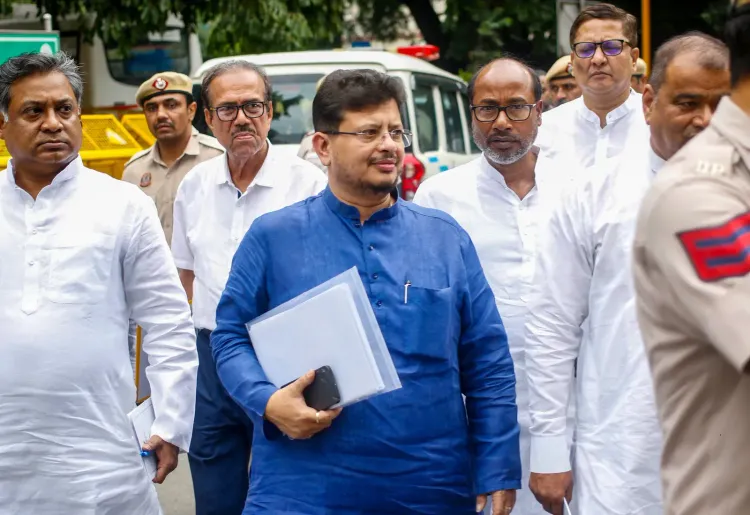
The breakaway faction of the All India Trinamool Congress (TMC) is increasingly distancing itself from party founder Mamata Banerjee, with rebel leader Ritabrata Banerjee on 3 July in New Delhi pointedly naming veteran politician Arup Roy — not Mamata — as the group's chairman, in what observers read as a deliberate ideological break from the Kalighat leadership.
The shift marks a significant escalation in the TMC's internal fracture, which deepened following an adverse mandate for the party in the West Bengal Assembly election this year. What began as a rebellion primarily directed at party General Secretary Abhishek Banerjee now appears to have widened to encompass the party's founder herself.
How the Rebel Camp's Position Has Shifted
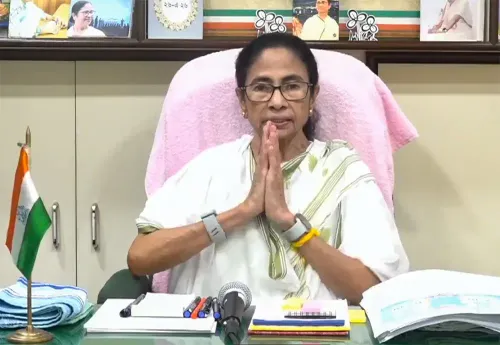
In the weeks following the electoral setback, a section of dissident members — including Ritabrata Banerjee, one of the most prominent faces of the rebel MLAs — had floated the idea of retaining Mamata as an 'advisor' to the breakaway group. Even Arup Roy, who was elected Trinamool Chairperson at a special session convened by the rebel bloc on 22 June, had at times acknowledged Mamata as the party's founding leader and credited her with establishing it in 1998.
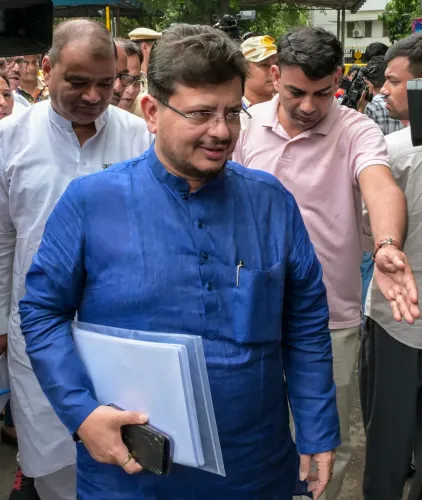
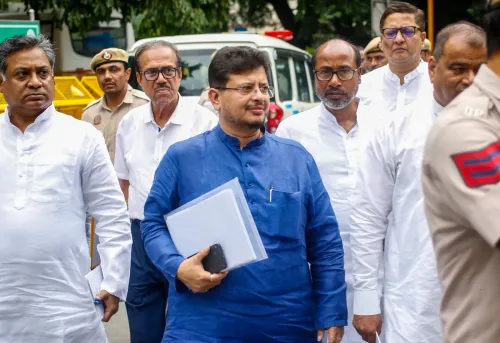
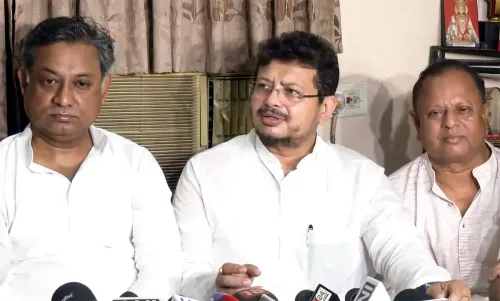
However, the tone shifted sharply on 3 July. Speaking to reporters in Delhi after meeting the Election Commission of India (ECI)'s full bench, Ritabrata stated that the new working committee formed at the 22 June special session includes neither Mamata nor Abhishek. When pressed directly on Mamata's role, Ritabrata was unambiguous: 'Our party's Chairman is a multiple-time MLA, three-time minister in West Bengal (former) cabinet, and veteran political leader Arup Roy' — punctuating the statement with an emphatic 'Loud and clear!'
Notably, Arup Roy, who stood beside Ritabrata during the briefing, offered no comment.
The 'Advisor' Lexicon and Why It Was Dropped
According to a leader with close proximity to the Arup Roy-led bloc, the earlier impulse to keep Mamata's name afloat was tactical — a calculation that it would make political sense not to entirely alienate her base. However, it was simultaneously understood that no formal position would ever be offered to her, which is how the vague 'advisor' framing emerged among some members.
That framing now appears to have been quietly retired. A section within the rebel camp has reportedly argued that Mamata, as party supremo and the then Chief Minister of West Bengal, cannot be absolved of responsibility for the alleged scams and irregularities that occurred under her watch — a framing that makes any formal association with her politically untenable for the breakaway group.
The Fight Over the TMC Name and Symbol
Both factions — the Kalighat-aligned TMC loyal to Mamata and Abhishek, and the rebel bloc — have approached the Election Commission of India seeking recognition as the legitimate All India Trinamool Congress and the right to use the party's election symbol of twin florets. The rebel camp informed the poll body of its newly constituted working committee during the 3 July meeting.
Ritabrata also contended that despite the party's name — 'Trinamool' meaning grassroots in Bengali — it had effectively become a family enterprise. The rebel bloc, he argued, seeks to reclaim its grassroots character, framing their fight as one against 'individuals and families' rather than ideology.
The Dig at Abhishek Banerjee
Without naming Abhishek Banerjee directly, Ritabrata sarcastically remarked that the party was being run 'on the words of a chartered bureaucrat' — a reference, reportedly, to Abhishek's recent travel aboard a chartered plane. Some party MPs from the rebel side have since announced a merger with the National Citizen Party of India (NCPI), a relatively obscure outfit until now.
As the ECI deliberates on the rival recognition claims, the rebel bloc's accelerating estrangement from Mamata Banerjee signals that the TMC's internal rupture has moved well beyond a factional dispute over one individual — and into a contest over the party's founding identity itself.
Point of View
Association with her now carries electoral risk for a group trying to position itself as a clean break from the old order. The real contest before the Election Commission is not just over a symbol — it is over which faction can credibly claim the grassroots identity that the TMC's name promises but, critics argue, its leadership long abandoned. That the party's founder may end up on neither side of the official recognition is a remarkable fall from political dominance.
NationPress
2 Oct 2026
Frequently Asked Questions
Why is the Trinamool Congress rebel faction distancing itself from Mamata Banerjee?
The rebel bloc is distancing itself from Mamata Banerjee because their newly formed working committee — constituted at a 22 June special session — does not include her or Abhishek Banerjee. A section within the faction has also argued that Mamata, as former Chief Minister and party supremo, cannot be absolved of responsibility for alleged scams that occurred under her watch, making formal association with her politically untenable.
Who is the chairman of the Trinamool Congress rebel faction?
Veteran politician Arup Roy was named Trinamool Chairperson at the rebel bloc's special session on 22 June 2025. Rebel leader Ritabrata Banerjee publicly confirmed Roy's chairmanship on 3 July, describing him as a multiple-time MLA and three-time minister in the West Bengal cabinet.
What did the Trinamool rebel faction tell the Election Commission?
The rebel bloc met the Election Commission of India's full bench on 3 July in New Delhi to inform it of their newly constituted working committee. Both the rebel faction and the Kalighat-aligned TMC have separately sought recognition as the legitimate All India Trinamool Congress and the right to use the party's twin florets election symbol.
What was the 'advisor' proposal for Mamata Banerjee and why was it dropped?
Earlier, some rebel members — including Ritabrata Banerjee — had suggested retaining Mamata as an 'advisor' to the breakaway group, viewing it as a tactically useful gesture. However, it was simultaneously understood that no formal position would be offered to her. The framing has since been quietly abandoned, as the faction's accountability narrative around alleged scams under Mamata's regime makes any association politically risky.
What is the National Citizen Party of India and how is it connected to the TMC split?
The National Citizen Party of India (NCPI) is a relatively little-known political party that gained prominence after some rebel Trinamool MPs announced a merger with it following the TMC's internal split. The merger is seen as part of the rebel camp's effort to establish an independent political identity separate from both Mamata Banerjee and Abhishek Banerjee.