Trinamool Congress to challenge Kolkata Police's July 21 Martyrs' Day ban in Calcutta HC
Synopsis
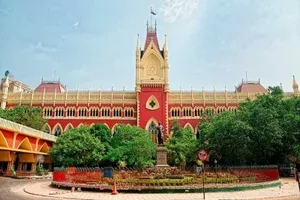
Kolkata Police have barred Trinamool Congress from holding its landmark 21 July Martyrs' Day rally at CESC House, invoking Section 163 of the BNSS for two full months over central Kolkata. The minority faction loyal to the Banerjees is heading to the Calcutta High Court — and the outcome could redefine the boundaries of public assembly rights in West Bengal.
Key Takeaways
Kolkata Police have barred this year's Martyrs' Day rally near CESC House, Esplanade , central Kolkata, informing both Trinamool factions on Tuesday, 1 July .
Section 163 of the BNSS has been invoked, restricting public assembly in the area for reportedly two months .
The Mamata Banerjee–Abhishek Banerjee aligned minority faction plans to challenge the order in the Calcutta High Court .
Senior advocate and Lok Sabha MP Kalyan Banerjee called the two-month blanket order 'illegal'; MP Mahua Moitra backed the legal challenge.
Martyrs' Day marks the killing of 13 youth Congress workers on 21 July 1993 under the CPI(M)-Left Front government.
The rebel majority faction within Trinamool Congress had not publicly responded to the ban as of 1 July .
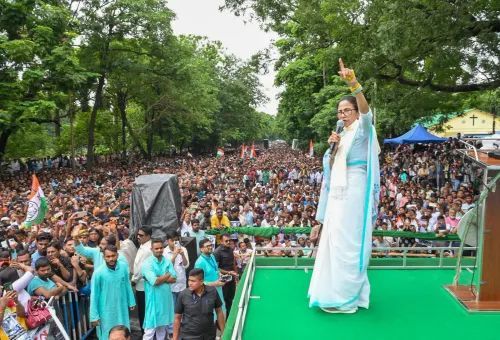
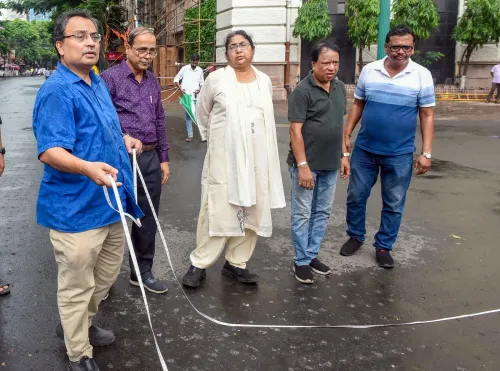
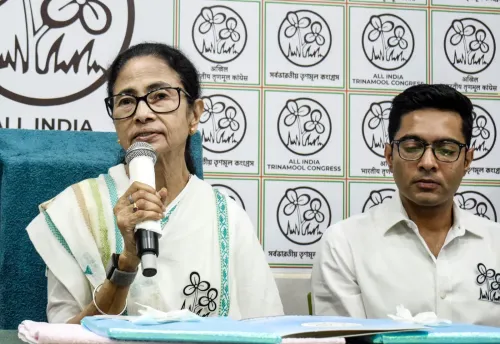
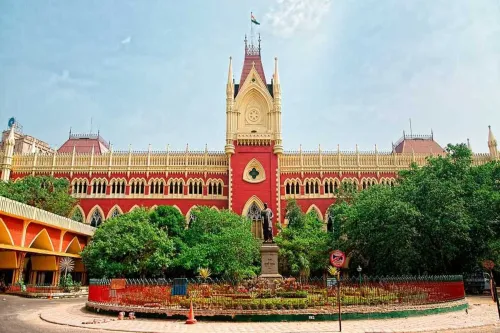
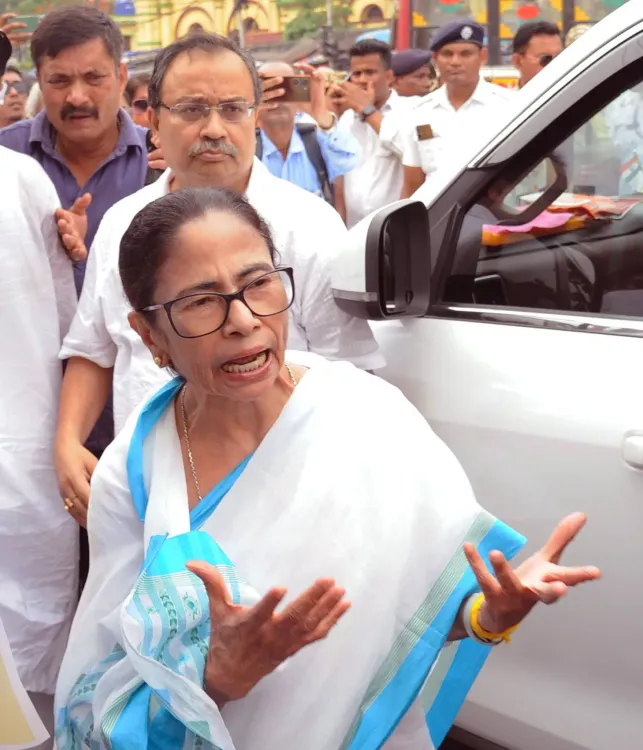
The Trinamool Congress faction loyal to former West Bengal Chief Minister Mamata Banerjee and her nephew Abhishek Banerjee has decided to move the Calcutta High Court against Kolkata Police's decision to impose prohibitory orders in central Kolkata, blocking the party's annual Martyrs' Day rally on 21 July. The legal challenge follows the police informing both Trinamool factions on Tuesday that this year's event cannot be held at its traditional venue near CESC House, adjacent to the busy Esplanade crossing.
What the Police Order Says
Kolkata Police have invoked Section 163 of the Bharatiya Nagarik Suraksha Sanhita (BNSS), which restricts the assembly of more than a specified number of people at a given place and time. The prohibitory order covers the entire pocket of central Kolkata that falls within the jurisdiction of the traditional Martyrs' Day venue. Notably, the restrictions are reportedly in force for a period of two months.
What Party Leaders Have Said
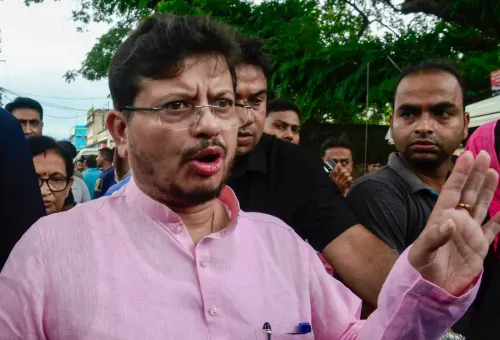
Kalyan Banerjee, a four-time Trinamool Congress Lok Sabha member and senior advocate, declared the order legally untenable. 'It seems that the Chief Minister, Suvendu Adhikari, is scared of democratic assembly of people and organised protest movements. We will definitely approach the court against this order. We will file a case. We will fight this both legally and politically. We have immense faith in the judicial system of the country. The democratic movement of the people cannot be stopped in such a manner,' he said.
Two-time Lok Sabha member Mahua Moitra echoed his position, expressing confidence that the judiciary would provide remedies against what she described as undemocratic excesses by the state administration.
The Split Within Trinamool Congress
The Trinamool Congress is currently divided into two factions — the 'original but minority' faction aligned with the Banerjees, and the 'rebel but majority' faction. As of 1 July, the rebel majority faction had not publicly reacted to the police decision. It is the minority faction's leaders who have announced plans for both legal and political action.
Historical Significance of Martyrs' Day
Martyrs' Day on 21 July commemorates the killing of 13 youth Congress workers on that date in 1993, during the CPI(M)-led Left Front government when nonagenarian Jyoti Basu was West Bengal Chief Minister. The rally was initially a Congress event until Mamata Banerjee broke away to form Trinamool Congress in 1998, after which the observance became a Trinamool-organised affair. With very few exceptions, the party has held the rally in front of CESC House every year since.
What Happens Next
The minority faction is expected to file a petition before the Calcutta High Court in the coming days. The court's ruling on the legality of a two-month-long Section 163 order over an entire area could have wider implications for public assembly rights in West Bengal. The 21 July deadline leaves limited time for legal proceedings to conclude before the rally date.
Point of View
Not the party machinery, that is mobilising legally, suggesting the Banerjee camp is using the rally dispute as a political rallying point as much as a constitutional one. West Bengal Chief Minister Suvendu Adhikari's administration is on thin ice if the Calcutta High Court finds the order disproportionate — which, given precedent on assembly rights, is a real possibility. The 21 July deadline compresses the legal timeline sharply, making an urgent hearing almost certain.
NationPress
29 Sept 2026
Frequently Asked Questions
Why has Kolkata Police banned the Trinamool Congress Martyrs' Day rally on 21 July?
Kolkata Police invoked Section 163 of the Bharatiya Nagarik Suraksha Sanhita (BNSS), restricting public assembly in the central Kolkata area that includes the traditional venue near CESC House, Esplanade. The order reportedly covers the area for two months, effectively preventing the rally from being held at its customary location.
What is Martyrs' Day and why does Trinamool Congress observe it on 21 July?
Martyrs' Day commemorates the killing of 13 youth Congress workers on 21 July 1993 during the CPI(M)-led Left Front government in West Bengal. After Mamata Banerjee broke away from Congress to form Trinamool Congress in 1998, the party took over the observance, which has since been held annually near CESC House in central Kolkata.
Which Trinamool Congress faction is challenging the ban in the Calcutta High Court?
The minority faction loyal to former West Bengal Chief Minister Mamata Banerjee and Abhishek Banerjee is planning the legal challenge. Senior advocate and four-time Lok Sabha MP Kalyan Banerjee and two-time MP Mahua Moitra have both announced they will fight the order in court and politically.
Is the two-month Section 163 BNSS order legally valid?
Senior advocate Kalyan Banerjee has argued that imposing Section 163 of the BNSS over an entire area pocket for two months is illegal. The Calcutta High Court will be the final arbiter; courts have historically scrutinised blanket, long-duration prohibitory orders for proportionality.
What is the current status of the split within Trinamool Congress?
Trinamool Congress is divided into a 'rebel but majority' faction and the 'original but minority' faction aligned with the Banerjees. As of 1 July, the majority faction had not publicly reacted to the police ban, while the minority faction has announced both legal and political action.