Tamil Nadu textile sector targets Europe, UK as trade deals unlock export growth
Synopsis
Tamil Nadu's textile exporters, stung by US market volatility, are pivoting hard toward Europe and the UK ahead of landmark free trade agreements. With $10 billion already flowing to EU and UK buyers and double-digit growth projected from 2027-28, the sector is betting that tariff parity could make India the dominant sourcing alternative to Bangladesh and Vietnam.
Key Takeaways
Tamil Nadu's textile industry is targeting Europe and the UK as primary growth markets amid US trade uncertainty.
Proposed India-EU and India-UK free trade agreements are expected to create tariff parity with rival hubs like Bangladesh and Vietnam .
India's textile exports to the EU and UK reached nearly $10 billion in 2024-25 .
Strong double-digit export revenue growth is projected from the 2027-28 financial year if the FTAs are implemented.
Capacity expansion remains a key challenge; some manufacturers are opting for asset-light overseas partnerships rather than large capital investments.
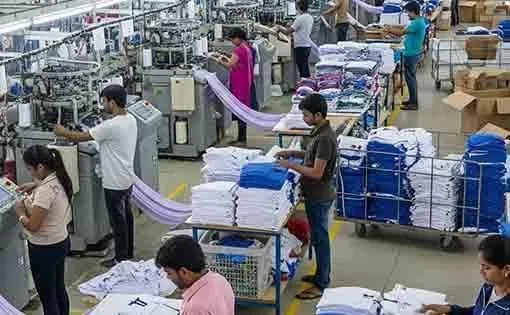
Tamil Nadu's textile and apparel industry is gearing up for a significant export offensive into European and British markets, as proposed free trade agreements with the European Union and the United Kingdom are expected to sharpen India's competitive edge and reduce the sector's reliance on the United States. Industry stakeholders say tariff parity with rival manufacturing hubs could meaningfully expand India's share of global textile exports.
Why Europe and the UK Are in Focus
The sector faced considerable strain during last year's tariff-related disruptions in the US market, prompting exporters to actively pursue geographical diversification as a structural risk-mitigation strategy. European and UK buyers have already begun widening their sourcing networks, reportedly moving orders away from Bangladesh and Vietnam toward Indian suppliers. Trial orders from these markets are already being placed in anticipation of the formal rollout of the trade agreements, according to industry observers.
How Manufacturers Are Preparing
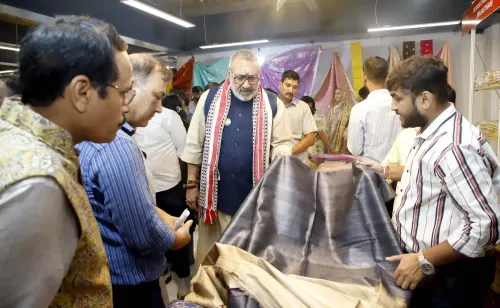
Tamil Nadu exporters are stepping up their market-building efforts through aggressive participation in international trade fairs, expansion of overseas showrooms, and the appointment of local representatives in target markets to deepen buyer relationships. Several manufacturers are simultaneously expanding vendor networks and production partnerships to handle the anticipated surge in order volumes once the agreements are operational.
Investment and Capacity Outlook
Experts believe the trade deal momentum could also catalyse fresh long-term investment into India's textile sector, particularly in manufacturing, processing, and apparel production. However, capacity expansion remains a persistent challenge. While some manufacturers are scaling up domestic production capabilities, others are pursuing asset-light models — partnering with overseas factories to absorb future demand without committing large capital outlays upfront.
Numbers and Timeline
India's textile exports to the EU and the UK stood at nearly $10 billion during the 2024-25 financial year. Industry analysts project strong double-digit growth in export revenues from the 2027-28 financial year onwards, provided the free trade agreements are implemented successfully and global sourcing patterns continue shifting in India's favour. This comes amid a broader global reconfiguration of supply chains, with buyers increasingly seeking alternatives to concentrated manufacturing geographies.
Point of View
But the timeline dependency on FTA implementation is a real risk — trade negotiations with both the EU and UK have a long history of delays. India's textile sector has been here before: anticipating market openings that take longer than projected, leaving capacity investments stranded. The more telling signal is that European buyers are already placing trial orders without waiting for formal tariff relief, which suggests India's cost and quality proposition is improving independently. The sector's challenge is less about market access and more about whether domestic capacity can scale fast enough to convert buyer interest into sustained order books before Bangladesh or Vietnam recalibrates.
NationPress
22 Sept 2026
Frequently Asked Questions
Why is Tamil Nadu's textile industry shifting focus to Europe and the UK?
The sector is diversifying away from the US market following tariff-related disruptions in 2024, and upcoming free trade agreements with the EU and UK are expected to offer tariff parity with competing hubs like Bangladesh and Vietnam. European buyers are already increasing engagement with Indian suppliers as part of broader sourcing diversification.
How large are India's textile exports to Europe and the UK currently?
India's textile exports to the EU and the UK stood at nearly $10 billion during the 2024-25 financial year. Industry analysts project this figure to rise substantially, with double-digit growth expected from the 2027-28 financial year if the FTAs are implemented successfully.
When are the benefits of the India-EU and India-UK trade deals expected to materialise?
According to industry analysts, the tangible export benefits are expected to become more visible from the 2027-28 financial year onwards. Trial orders from European and UK buyers are already being placed ahead of the formal implementation of the agreements.
What challenges does the Tamil Nadu textile sector face in scaling up for European markets?
Capacity expansion is the primary challenge. While some manufacturers are increasing domestic production, others are exploring asset-light models by partnering with overseas factories to meet anticipated demand without large upfront capital investments.
How is the industry preparing to enter European and UK markets?
Exporters are participating in international trade fairs, expanding overseas showrooms, and appointing local market representatives in Europe and the UK. Several manufacturers are also broadening their vendor networks and production partnerships to handle higher order volumes once the trade agreements take effect.