Tripura CM Saha declares zero-tolerance on drugs as synthetic narcotics surge
Synopsis
Tripura's conviction rate for drug offences has risen to 14.7% in 2025 from 11.7% in 2023 — but the harder story is structural: synthetic drugs are replacing traditional narcotics, and the Northeast's 1,643-km unfenced border with Myanmar keeps the Golden Triangle's supply lines wide open, making state-level enforcement a partial fix at best.
Key Takeaways
Tripura CM Manik Saha declared a zero-tolerance policy on narcotics on 28 August during the state assembly's Monsoon Session.
The drug-trafficking conviction rate rose to 14.7% (January–July 2025), up from 11.7% in 2023.
Substances smuggled into Tripura include methamphetamine tablets , heroin , and Codeine Phosphate-based cough syrups .
A dedicated NDPS special unit has been set up within the state police to handle narcotics cases.
Myanmar shares a 1,643-km border with four Northeastern states, much of it unfenced, creating persistent trafficking corridors.
Congress MLA Gopal Chandra Roy alleged police involvement in the drug trade; CM Saha denied it and warned of strict action against all offenders.
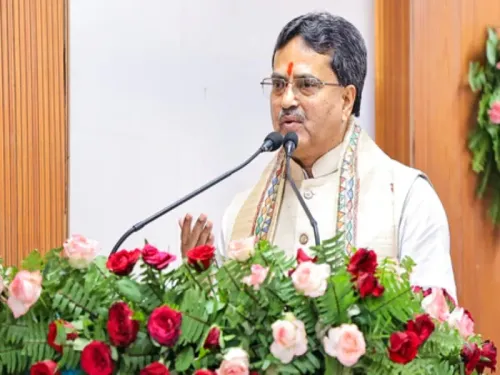
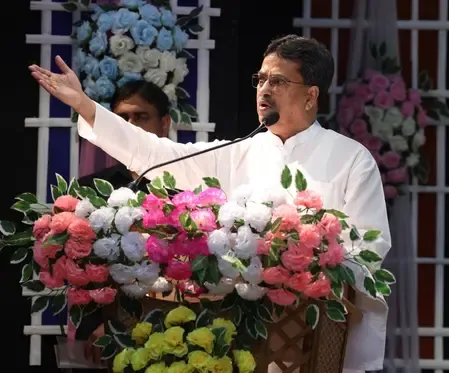
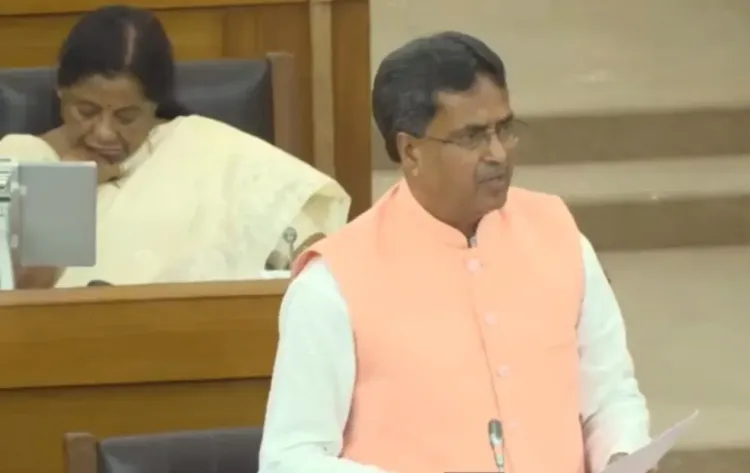
Tripura Chief Minister Manik Saha on Friday, 28 August told the state assembly that his government has adopted a zero-tolerance policy against narcotics, even as the illegal trade in synthetic drugs has risen sharply in recent years, increasingly displacing traditional and naturally derived substances. Saha was responding to questions raised by senior Indian National Congress (INC) legislator Gopal Chandra Roy on the second day of the Monsoon Session of the Tripura Legislative Assembly in Agartala.
Rising Conviction Rates
Chief Minister Saha, who also holds the Home portfolio, told the House that sustained enforcement efforts have yielded measurable results. The conviction rate for drug peddlers and illegal traders climbed to 14.7% in the period from January to July 2025, up from 11.7% in 2023. He added that the state has strengthened coordination between the police and the judiciary to sustain this upward trend.
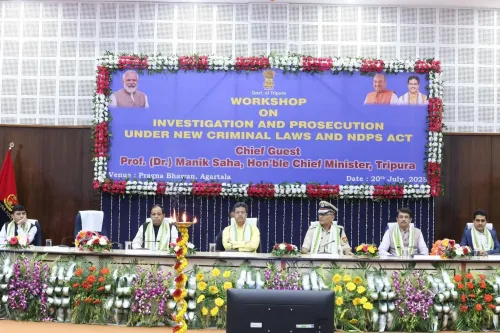
The state police have also established a dedicated special unit to handle cases registered under the Narcotic Drugs and Psychotropic Substances (NDPS) Act, 1985 — a structural step aimed at improving investigative efficiency and prosecution outcomes.
Congress Allegations and Government Response
Congress MLA Gopal Chandra Roy alleged that a section of police personnel were themselves involved in the illegal drug trade and narcotics-related activities — a charge that drew a firm rebuttal from the Chief Minister. Saha reiterated that no individual found complicit in unlawful narcotics activity would be spared, regardless of their position.
Roy also claimed that drugs were being smuggled into Tripura through the railway network and that narcotics-related activities had spread across the state on a massive scale. The government, meanwhile, has launched a parallel awareness campaign targeting parents, guardians, and educational institutions. 'I have personally urged parents and guardians to remain more alert so that their school- and college-going children do not get involved in drug abuse,' Saha said.
What Is Being Smuggled and How
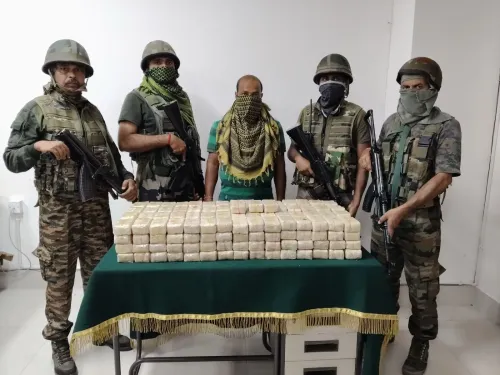
According to senior police officials, the substances being trafficked into Tripura include highly addictive methamphetamine tablets — banned in India — along with heroin and cough syrups containing Codeine Phosphate, the latter reportedly in illegal use as a narcotic in neighbouring Bangladesh. These substances are smuggled from other Indian states, including several in the Northeast.
Mizoram and Manipur have emerged as the region's primary drug-trafficking corridors, owing to their long and porous international borders with Myanmar and their proximity to the Golden Triangle — one of the world's largest illicit narcotics-producing zones. Myanmar shares a 1,643-km border with four Northeastern states: Arunachal Pradesh (520 km), Manipur (398 km), Nagaland (215 km), and Mizoram (510 km), with substantial stretches remaining unfenced.
The Northeast's Vulnerability
Myanmar's Chin State is identified as a key smuggling route for narcotics, exotic wildlife, and other contraband, funnelled through six districts of Mizoram. Similarly, five districts of Manipur sharing an unfenced international border with Myanmar have been flagged as high-risk trafficking corridors. The combination of difficult terrain, limited fencing, and proximity to the Golden Triangle makes the region structurally exposed to cross-border drug flows — a challenge that extends well beyond Tripura's own enforcement capacity.
What Comes Next
The Tripura government's dual-track approach — tightening enforcement while scaling up community awareness — reflects a broader recognition that supply-side crackdowns alone are insufficient. With synthetic drugs proving harder to detect and trace than traditional narcotics, the state's special NDPS unit and improved judicial coordination will face an increasingly complex challenge in the months ahead.
Point of View
But it also means more than eight in ten drug cases in Tripura still do not end in conviction — a sobering baseline for a government claiming zero-tolerance. The more uncomfortable truth is structural: as long as Myanmar's Golden Triangle feeds narcotics through 1,643 km of largely unfenced border, state-level enforcement will remain a downstream fix. The shift to synthetic drugs — harder to detect, easier to conceal — further tilts the odds against local police units. Congress's allegation of police complicity, however unproven, points to an accountability gap that the government's special NDPS unit alone cannot close.
NationPress
13 Oct 2026
Frequently Asked Questions
What is Tripura's zero-tolerance policy on narcotics?
It is a sustained enforcement approach announced by Chief Minister Manik Saha under which the state government, police, and security agencies are conducting an ongoing crackdown on drug trafficking and peddling, with no exceptions for any individual found involved. The policy also includes a dedicated NDPS special unit in the state police and increased police-judiciary coordination to improve conviction rates.
How has Tripura's drug conviction rate changed?
The conviction rate for drug peddlers rose to 14.7% between January and July 2025, up from 11.7% in 2023, according to Chief Minister Saha's statement in the assembly. The government attributes this to stronger coordination between the police and the judiciary.
What drugs are being smuggled into Tripura?
According to senior police officials, the main substances include methamphetamine tablets (banned in India), heroin, and cough syrups containing Codeine Phosphate that are reportedly used as narcotics in Bangladesh. These are smuggled from other Indian states, particularly those in the Northeast.
Why is Northeast India particularly vulnerable to drug trafficking?
Mizoram and Manipur share a combined 1,643-km border with Myanmar — much of it unfenced — and are geographically close to the Golden Triangle, one of the world's largest illicit drug-producing regions. This makes them primary trafficking corridors for heroin and methamphetamine entering India.
What did Congress allege about Tripura's drug problem?
Congress MLA Gopal Chandra Roy alleged that some police personnel were involved in the illegal drug trade and that narcotics activities had spread across Tripura on a massive scale, including through railway smuggling routes. Chief Minister Saha rejected the allegations and said anyone found involved, regardless of position, would face strict legal action.