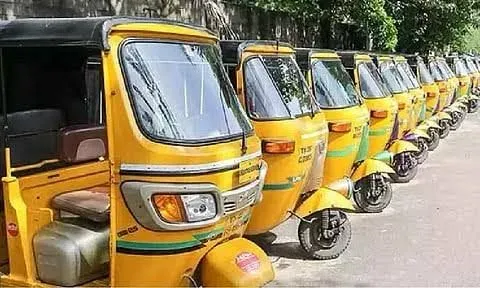
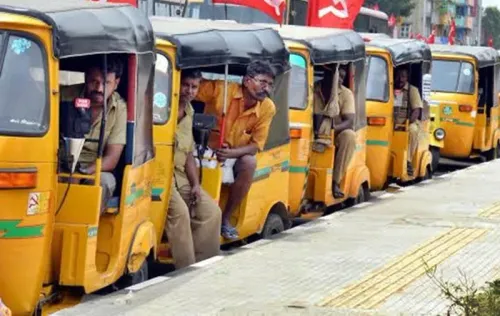
Chennai auto-rickshaw fare revision demand: Candlelight march from Egmore to Fort St George
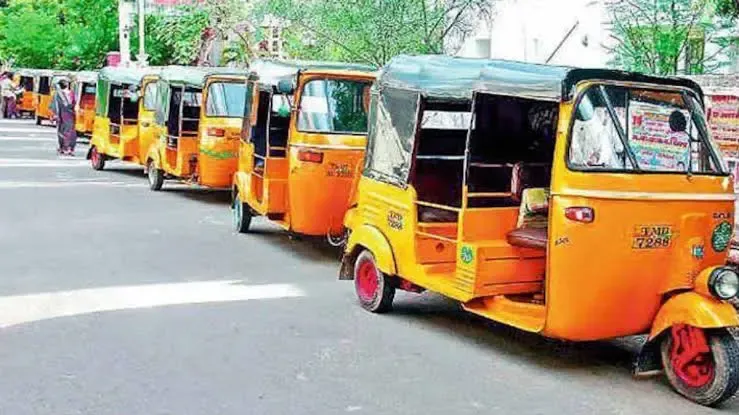
Synopsis
Chennai's auto-rickshaw drivers are marching to Fort St George with fares frozen since 2013, rising costs, app-surge competition, and a driver's suicide behind them. The protest asks a pointed question: how long can a city sustain a public transport backbone that the government has refused to reprice for over a decade?
Key Takeaways
The Federation of All Auto Trade Unions held a candlelight march from Egmore to Fort St George on 13 October 2026 .
Auto-rickshaw fares in Chennai have not been revised since 2013 , despite rising fuel, insurance, and spare-parts costs.
Mohamed Ibrahim , 61 , a driver from Vyasarpadi , died by suicide after releasing a video appealing to CM C.
Joseph Vijay for fare relief.
Unions demand revised meter fares, a government-backed app, and regulation of bike-taxi services like Rapido .
Declining demand is attributed to Chennai Metro Rail expansion, free bus travel for women, and the growth of app aggregators.
Several drivers have reportedly left the profession due to mounting financial pressure, according to the federation.
The Federation of All Auto Trade Unions is staging a candlelight march on Tuesday, 13 October 2026, from Egmore to Fort St George in Chennai, demanding a long-overdue revision of auto-rickshaw fares and immediate government action on drivers' mounting grievances. The protest also serves as a tribute to Mohamed Ibrahim, a 61-year-old driver from Vyasarpadi, who died by suicide after releasing a video urging Chief Minister C. Joseph Vijay to raise auto fares.
The Fare Freeze That Broke Drivers
According to federation coordinator S. Balasubramaniam, the Tamil Nadu government last revised auto-rickshaw fares in 2013 — over a decade ago. Since then, fuel prices, insurance premiums, and spare-parts costs have risen sharply, squeezing drivers' margins to the breaking point. Balasubramaniam said the delay has placed an unbearable financial burden on individual operators, many of whom can no longer cover basic household expenses and medical bills through their earnings.
The federation further alleged that drivers faced harassment from transport officials and police over meter enforcement during earlier fare revision drives, compounding an already difficult operating environment.
Competition From Apps, Metro, and Bike Taxis
The federation pointed to a structural shift in Chennai's urban mobility landscape as a key driver of falling demand. App-based aggregators — Ola, Uber, and Rapido — reportedly charge higher amounts through surge pricing, yet benefit from platform advantages that individual auto operators cannot match. Meanwhile, the expansion of Chennai Metro Rail, free bus travel for women, and the rapid growth of bike-taxi services have collectively eroded the auto-rickshaw's share of daily commutes.
Critics within the industry argue that this disparity has left traditional auto drivers structurally disadvantaged — unable to raise fares unilaterally and unable to compete on convenience against tech-enabled alternatives.
Key Demands Placed Before the Government
The federation's formal demands include: revised meter fares aligned with current operating costs; a government-backed mobile application for auto-rickshaws to compete with private aggregators; regulation or an outright ban on bike-taxi services; and an end to alleged corruption in regional transport offices. The unions also called for a faster fitness-certificate process, citing delays that have forced some drivers out of the profession entirely.
Several drivers have reportedly already left the trade and taken up other employment, according to the federation.
The Human Cost Behind the March
The death of Mohamed Ibrahim has given the protest a deeply personal dimension. His pre-death video, in which he directly addressed Chief Minister Vijay over fare policy, circulated widely and galvanised the union movement. The candlelight march is intended both as a political statement and as a memorial, highlighting what drivers describe as a livelihood crisis building quietly for years.
What Happens Next
The federation has warned the government that further delays in responding to its demands could worsen hardship for drivers and their families. No official response from the Tamil Nadu government had been reported at the time of the march. The outcome of Tuesday's demonstration — and whether it prompts a formal dialogue with the state — is likely to determine the unions' next course of action.
Point of View
Fuel-price volatility, and the arrival of app-based mobility. What is striking is that the government has allowed the pressure to build to the point where a driver's death is now the catalyst for a march, rather than a proactive policy review. The demands — a revised fare, a public app, curbs on bike taxis — are not radical; they are the minimum required for a level playing field. The harder question is whether the Tamil Nadu government, having invested politically in free bus travel and metro expansion, has the appetite to simultaneously shore up the auto sector it has inadvertently undercut.
NationPress
13 Oct 2026
Frequently Asked Questions
Why are Chennai auto-rickshaw drivers protesting on 13 October 2026?
Drivers are protesting because auto-rickshaw fares have not been revised since 2013, while operating costs — fuel, insurance, spare parts — have risen significantly. The Federation of All Auto Trade Unions is marching from Egmore to Fort St George to demand fare revision and other reliefs.
Who was Mohamed Ibrahim and why is his death significant?
Mohamed Ibrahim was a 61-year-old auto-rickshaw driver from Vyasarpadi, Chennai, who died by suicide after releasing a video urging Chief Minister C. Joseph Vijay to raise auto fares. His death has become the emotional and political focal point of the candlelight march.
What are the main demands of the auto-rickshaw federation?
The federation is demanding revised meter fares, a government-backed mobile application for auto-rickshaws, regulation or a ban on bike-taxi services such as Rapido, and an end to alleged corruption in regional transport offices. It also wants a faster fitness-certificate process for vehicles.
How have app aggregators and public transport affected auto-rickshaw drivers?
Aggregators like Ola, Uber, and Rapido use surge pricing and platform advantages that individual auto drivers cannot match. Simultaneously, the expansion of Chennai Metro Rail and free bus travel for women have reduced demand for auto rides, squeezing earnings further.
What action has the Tamil Nadu government taken so far?
According to reports, no official response from the Tamil Nadu government had been issued at the time of the march. The federation has warned that further delays in addressing its demands could worsen the financial hardship faced by drivers and their families.