CM Himanta dedicates new stadium in Naharkatia for Assam's athletes
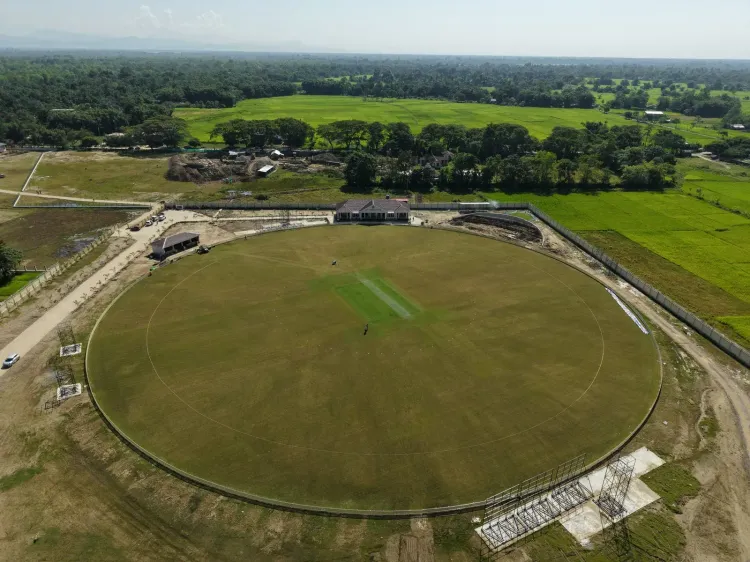
Synopsis
Assam CM Himanta Biswa Sarma travelled nearly 500 km to Naharkatia on October 13 to inaugurate a new state-of-the-art stadium, reaffirming his government's push to build world-class sports infrastructure across every corner of Assam ahead of India's Olympic ambitions.
Key Takeaways
Assam CM Himanta Biswa Sarma personally travelled nearly 500 km from Guwahati to Naharkatia to inaugurate the new stadium on October 13, 2026 .
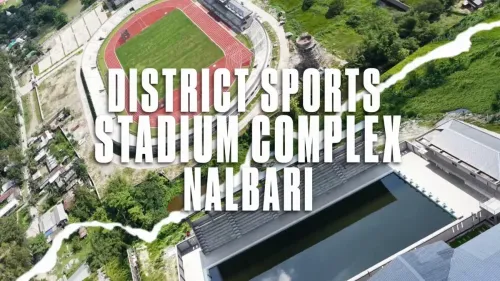
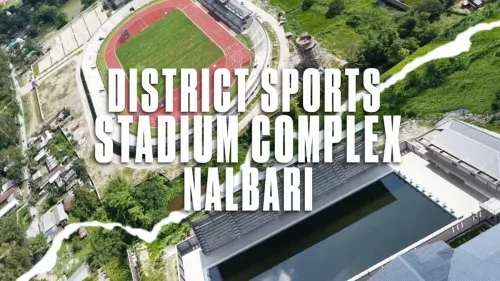
The stadium is designed for next-generation athletes in Dibrugarh district , a region historically associated with oil and tea rather than sports infrastructure.
Sarma stated his government is building similar facilities 'in every corner of the state' — a decentralised model of sports development.
The initiative is framed around preparing Assam's athletes for the day India hosts the Olympics .
Naharkatia's inclusion signals a deliberate push to reach upper Assam's underserved sporting belt rather than concentrate investment in Guwahati.
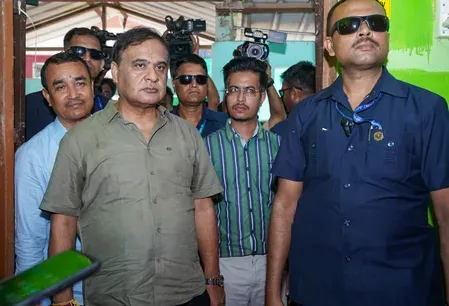
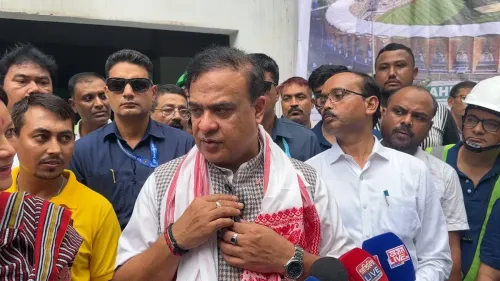
Nearly 500 kilometres east of Guwahati, in the town of Naharkatia, a state-of-the-art sports stadium was dedicated to Assam's next generation of athletes on Tuesday, October 13, 2026 — and Assam Chief Minister Himanta Biswa Sarma made the journey himself to hand it over. The message was unmistakable: Assam is not waiting for the medals to come to it.
A stadium 500 km from the capital — and the intent behind it
Naharkatia, tucked deep in Dibrugarh district in upper Assam, is not a city that typically headlines infrastructure announcements. That is precisely the point. By personally travelling to commission a facility this far from Guwahati, CM Sarma signalled that the state's sporting ambitions are not concentrated in its urban centre. 'We're building such facilities in every corner of the state,' he wrote, 'so when India hosts the Olympics, our boys and girls will be ready to win medals.'
The reference to India hosting the Olympics is pointed. India has long harboured ambitions of staging the Games, with bids and discussions surfacing periodically at the national level. Sarma's framing positions Assam not merely as a spectator to that national dream but as an active preparation ground — the idea being that infrastructure built today produces podium athletes tomorrow.
Naharkatia's place in Assam's sporting geography
Naharkatia is historically associated with Assam's oil industry, home to one of India's older petroleum belts. It sits in the broader Dibrugarh–Tinsukia corridor, a region known for tea gardens and river geography rather than sporting infrastructure. A modern stadium here is a deliberate reach into a traditionally underserved sporting belt, where young athletes often lack professional-grade training surfaces, tracks, or indoor facilities.
Assam has been on a steady infrastructure push under Sarma's tenure, with sports complexes, indoor halls, and synthetic tracks commissioned across the state's 35 districts. The pattern follows a philosophy of decentralised excellence — rather than funnelling talent to one central academy, bring the facility to the athlete's doorstep.
The Olympics ambition framing
Sarma's explicit invocation of an Indian Olympics is not incidental. It ties a district-level stadium inauguration to a national narrative of sporting ambition — and politically, it anchors a routine infrastructure event to a vision far larger than the ribbon-cutting. Whether India's Olympic hosting bid materialises is a separate question entirely. What this stadium represents right now is concrete, immediate, and local: a facility where a Naharkatia teenager can train on a surface that was simply not there yesterday.
Assam's youth sporting ecosystem, if it keeps adding nodes like this one, may quietly become one of the Northeast's most competitive talent pipelines. The stadium is open. The clock starts now.
Point of View
Sarma elevates what could have been a routine inauguration into a national-vision story. The decentralised sports infrastructure model — build in every corner, not just the capital — is increasingly a template replicated by state governments seeking to generate visible, tangible deliverables outside major cities. How quickly these facilities translate into competitive athletes will be the measure that ultimately matters.
NationPress
13 Oct 2026
Frequently Asked Questions
Where is the new stadium inaugurated by Assam CM Himanta Biswa Sarma?
The stadium is located in Naharkatia, in Dibrugarh district of Assam, approximately 500 km east of Guwahati.
Why did CM Himanta travel to Naharkatia for the stadium inauguration?
CM Sarma personally dedicated the stadium to Assam's next-generation athletes, emphasising his government's commitment to building world-class sports infrastructure across every district of the state, not just in Guwahati.
What is the purpose of the Naharkatia stadium?
The stadium is a state-of-the-art facility built for young athletes in upper Assam, intended to provide professional-grade training infrastructure in a region that previously lacked such facilities.
Is India planning to host the Olympics?
India has periodically expressed ambitions to host the Olympics. CM Sarma referenced India hosting the Olympics as a future goal that Assam's new sports facilities are designed to help athletes prepare for, though no confirmed hosting dates exist as of October 2026.
How many districts does Assam have and is Sarma building stadiums in all of them?
Assam has 35 districts. CM Sarma has stated his government's intent to build sports facilities in every corner of the state as part of a decentralised approach to athletic development.