CM Himanta's Assam Builds Sports Stadium in Nalbari
Synopsis
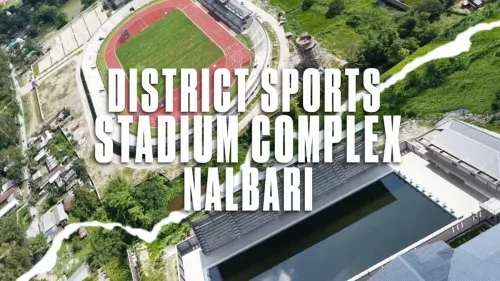
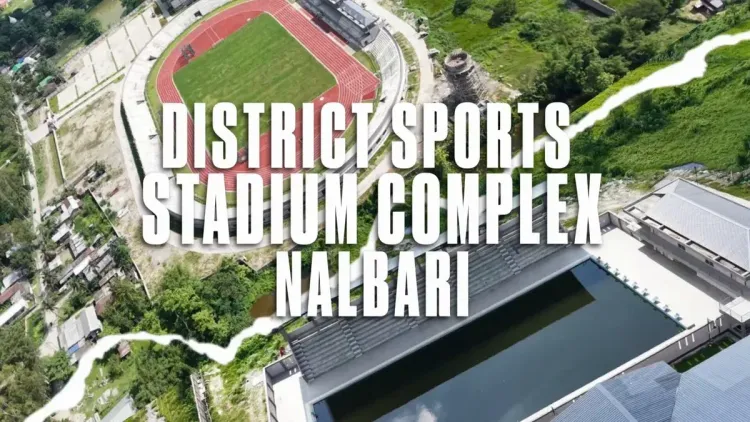
The Chief Minister's Office of Assam has highlighted the Nalbari District Sports Stadium as the latest addition to CM Himanta Biswa Sarma's push for decentralised, world-class sports infrastructure across the state, aiming to nurture grassroots talent beyond urban centres.
Key Takeaways
The Chief Minister's Office of Assam announced the Nalbari District Sports Stadium as a milestone in statewide sports infrastructure development on 13 July 2026 .
The project is part of an ongoing effort under CM Dr.
Himanta Biswa Sarma to build world-class sports facilities across all districts of Assam.
The initiative follows a decentralised model, extending training access beyond Guwahati to district-level venues.
The programme aligns with India's national Khelo India scheme, which supports grassroots sports infrastructure in states including those in the northeast.
Primary beneficiaries include young athletes and district sports associations in Nalbari and surrounding areas.
Further district stadium projects and upcoming state budget allocations for sports remain key markers to watch.
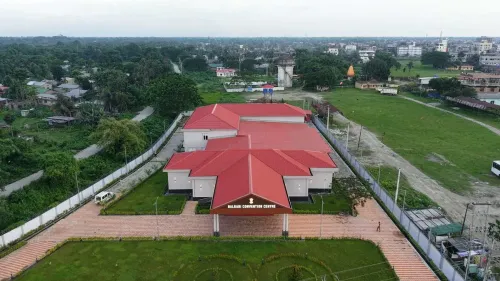
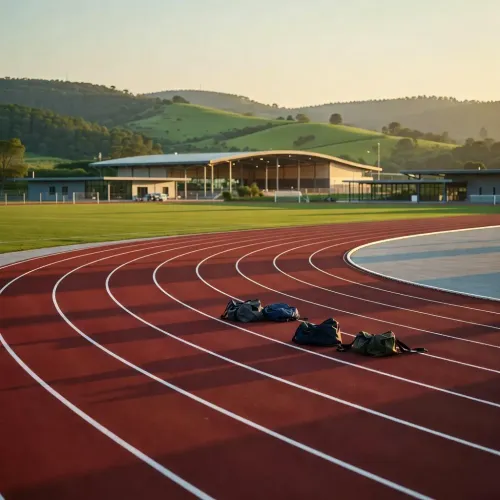
The Chief Minister's Office of Assam announced on Monday, 13 July 2026 that the Nalbari District Sports Stadium has been developed as a new milestone in the state government's ongoing push to build world-class sports infrastructure across Assam under the leadership of Chief Minister Dr. Himanta Biswa Sarma.
Context
The official post from the Chief Minister's Office described the stadium as part of a broader commitment to 'nurturing talent and promoting excellence in sports' across the state. The announcement positions Nalbari, a district in western Assam, as the latest beneficiary of the government's decentralised approach to sports facility development. The stadium is intended to serve young athletes and local sports associations at the district level.
Policy Backdrop
Since 2021, the Government of Assam has pursued an agenda of upgrading and constructing district-level sports complexes to extend training access beyond Guwahati and other major urban centres. This aligns with India's national Khelo India programme, which has channelled central funds into grassroots sports infrastructure across states, with a particular emphasis on the northeast. Dr. Himanta Biswa Sarma, who assumed office as Chief Minister in May 2021, has consistently positioned sports infrastructure as a priority alongside broader development projects in the state.
The northeastern region has seen a pattern of parallel investments in district-level venues, reflecting a shared strategy among state governments to use sports facilities as anchors for youth engagement and early talent identification. Assam's approach mirrors this regional trend while emphasising geographic spread across its own districts.
Stakeholders and Impact
Young athletes and district sports associations in Nalbari are the immediate beneficiaries of the new facility. A district-level stadium reduces the need for aspiring sportspersons to travel to larger cities for training, lowering barriers to participation particularly for athletes from rural and semi-urban backgrounds. The availability of structured venues at the district level is also expected to support talent scouting and competitive events closer to home.
The Government of Assam, operating under BJP leadership since 2016, has framed such projects as part of a long-term investment in human capital, with sports serving as a vehicle for youth development alongside conventional education and employment initiatives.
What's Next
Attention will now turn to the rollout timelines for similar stadium projects in other districts across Assam, and to any dedicated sports budget allocations in the next state fiscal cycle. The pace at which remaining district venues are completed will determine whether the government's stated vision of statewide sports infrastructure becomes a reality on the ground. Consistent delivery across multiple districts would mark a significant structural shift in how Assam develops and identifies sporting talent.
Frequently Asked Questions
What is the Nalbari District Sports Stadium in Assam?
The Nalbari District Sports Stadium is a district-level sports facility in Nalbari, Assam, developed by the state government as part of its push to create decentralised training venues for young athletes across the state.
What sports infrastructure projects has CM Himanta Biswa Sarma announced in Assam?
Since taking office in May 2021, CM Himanta Biswa Sarma has overseen plans to upgrade or construct district sports complexes across Assam, with the Nalbari stadium being among the latest additions to this programme.
How does Assam's sports stadium programme connect to Khelo India?
Assam's district-level sports infrastructure push aligns with the national Khelo India scheme, which channels funds into grassroots sports facilities and talent identification programmes, particularly in northeastern states.
Who benefits from the new sports stadium in Nalbari?
Young athletes and district sports associations in Nalbari are the primary beneficiaries, as the facility reduces the need to travel to larger cities for training and competitive events.
What are the next steps for Assam's sports infrastructure plan?
Key developments to watch include the rollout timelines for stadium projects in other Assam districts and any dedicated sports budget allocations in the state's next fiscal year.