CM Mohan Yadav Holds Legal Strategy Meet on OBC Quota Ruling
Synopsis
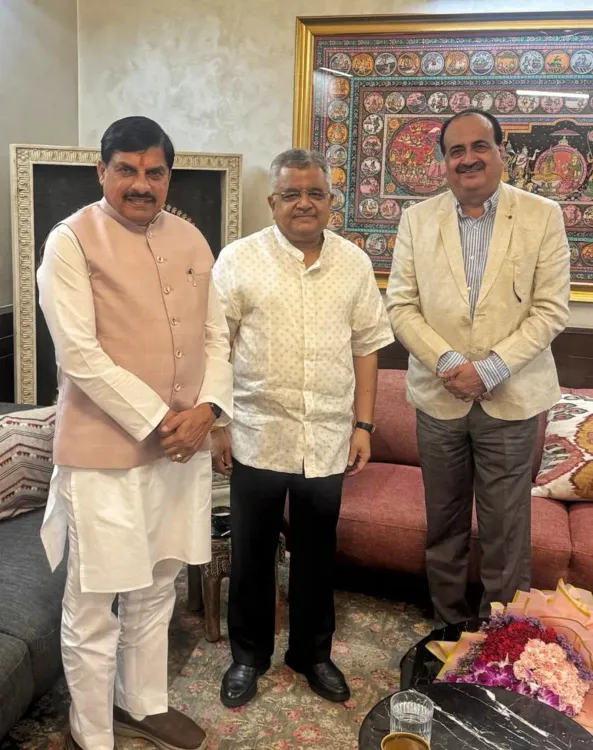
Madhya Pradesh CM Dr. Mohan Yadav met Solicitor General Tushar Mehta and Advocate General Prashant Singh in New Delhi on October 13 to strategise the state's legal response to a High Court verdict on OBC reservations.
Key Takeaways
Mohan Yadav travelled to New Delhi on October 13, 2026 for a high-level legal consultation.
The meeting involved Solicitor General of India Tushar Mehta and MP Advocate General Prashant Singh .
The agenda: analysing a Madhya Pradesh High Court verdict on OBC reservation and planning the next legal steps.
The Solicitor General's involvement suggests the state may pursue an appeal before the Supreme Court of India .
OBC communities form a politically significant bloc in Madhya Pradesh, making the state government's legal posture a high-stakes matter.
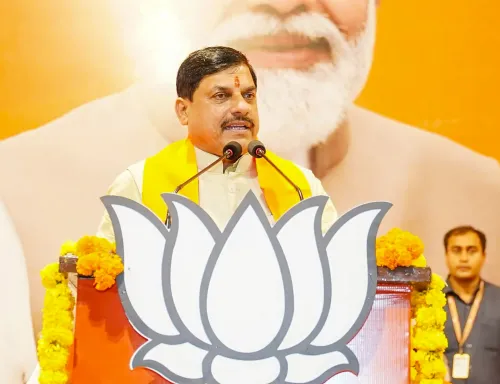
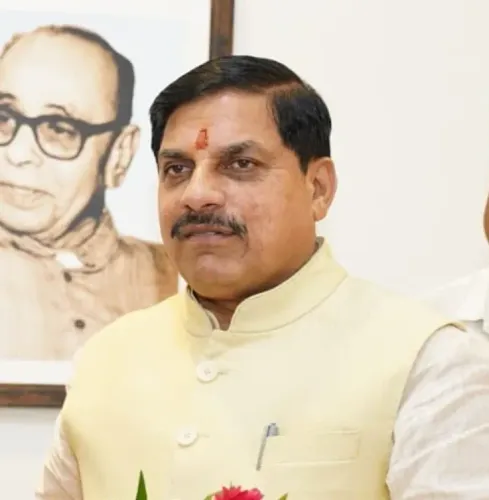
With the legal clock ticking on a High Court verdict that could reshape reservations for Other Backward Classes (OBC) in Madhya Pradesh, Chief Minister Dr. Mohan Yadav flew to New Delhi on Tuesday, October 13, 2026, for an urgent consultation with the nation's top law officers — signalling that his government is preparing a robust legal counter-move.
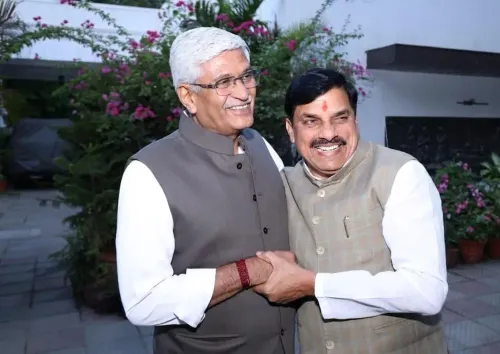
CM Yadav met with India's Solicitor General Shri Tushar Mehta and Madhya Pradesh Advocate General Shri Prashant Singh to map out the legal path forward. The Chief Minister described the meeting as a detailed discussion on 'vidhik pehluon aur aagami kanooni karyavaahi ki ranniti' — 'the legal aspects and the strategy for forthcoming legal proceedings' — arising from the Honourable High Court's decision on OBC reservation.
What the High Court Verdict Means for OBC Quotas
OBC reservations sit at the intersection of electoral politics and constitutional law in India. Any High Court ruling that modifies, restricts, or strikes down a component of OBC quota implementation in a state as large and politically significant as Madhya Pradesh immediately triggers a high-stakes legal response from the ruling dispensation. Involving the Solicitor General of India — the Union government's second-highest law officer — signals that the Madhya Pradesh government is likely weighing an appeal to the Supreme Court of India.
Tushar Mehta, who holds the office of Solicitor General, has been the face of the Union government in several landmark constitutional matters. His presence in this consultation underlines the seriousness with which the BJP government at the state level is treating the ruling — and the possible alignment with the Central government's legal position on backward-class reservations.
Bhopal to Delhi: Why the CM Made the Trip Himself
The Chief Minister's personal visit to New Delhi — rather than a routine exchange through counsel — is itself a political signal. OBC communities constitute a substantial share of Madhya Pradesh's electorate, and any perceived dilution of their reservation rights carries immediate political consequence. By leading the legal strategy meeting in person, Dr. Yadav is publicly demonstrating his government's commitment to defending OBC quotas at every judicial forum available.
The specific legal proceedings referenced in the post are yet to be detailed publicly, but the consultation's scope — covering both the technicalities of the High Court's reasoning and the roadmap for future litigation — points to a multi-pronged approach that could include a stay application, a letters patent appeal, or a direct Supreme Court challenge, depending on the nature of the order.
The next courtroom chapter in Madhya Pradesh's OBC reservation battle is being written in the law offices of New Delhi — and the Chief Minister wants his name on the brief.
Point of View
And involving the Union government's counsel early suggests Madhya Pradesh may be positioning for a stay or a constitutional challenge. The move also preempts any Opposition narrative that the ruling party is passive in defending OBC rights. How the courts ultimately rule will test the boundaries of reservation policy set by the Supreme Court's landmark Indra Sawhney judgment.
NationPress
13 Oct 2026
Frequently Asked Questions
Why did CM Mohan Yadav meet the Solicitor General over OBC reservations?
CM Mohan Yadav met Solicitor General Tushar Mehta to discuss the legal aspects of a Madhya Pradesh High Court verdict on OBC reservations and to plan the state government's strategy for forthcoming legal proceedings, possibly including a Supreme Court appeal.
What is the OBC reservation issue in Madhya Pradesh?
The Madhya Pradesh High Court issued a ruling related to OBC (Other Backward Classes) reservations in the state. The exact nature of the order has not been disclosed publicly, but it prompted the state government to consult top law officers about its legal options.
Who is Tushar Mehta and why is he involved?
Tushar Mehta is the Solicitor General of India, the second-highest law officer of the Union government. His involvement indicates the Madhya Pradesh government may be aligning with the Centre to challenge the High Court's order before the Supreme Court.
Can the Madhya Pradesh government challenge the High Court OBC verdict?
Yes. The state government can file a letters patent appeal within the High Court or move the Supreme Court of India directly. The consultation with the Solicitor General suggests higher courts are being considered.
What share of Madhya Pradesh's population are OBCs?
OBC communities are estimated to constitute roughly 50 percent or more of Madhya Pradesh's population, making reservation policy one of the most politically sensitive issues in the state.