Would Trump Endorse Israeli Strikes on Iran's Missile Program If US-Iran Talks Fail?
Synopsis
US President Donald Trump has revealed his potential support for Israeli attacks on Iran's missile capabilities should diplomatic efforts with Tehran falter. With tensions escalating, the future of US-Iran relations hangs in the balance as negotiations resume. This developing situation could significantly impact regional stability and international diplomacy.
Key Takeaways
Trump's support for Israel could lead to military action against Iran.
Negotiations between the US and Iran are crucial for regional stability.
Saudi Arabia and Jordan's airspace is off-limits for military actions against Iran.
The recent talks in Oman did not yield substantial progress.
Iran's foreign minister is set to lead a diplomatic delegation in Geneva.
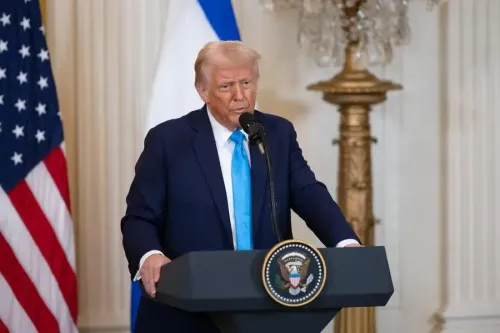
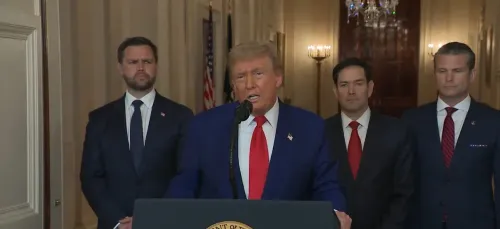
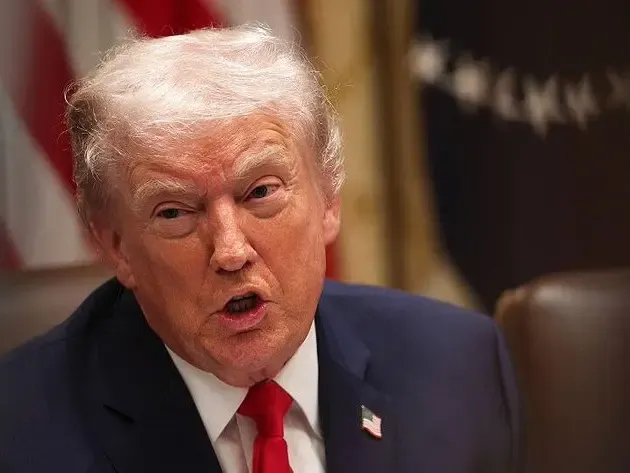
Washington, Feb 16 (NationPress) US President Donald Trump indicated his willingness to endorse Israeli actions against Iran's ballistic missile program should discussions between Washington and Tehran not yield results, as reported by US media outlets.
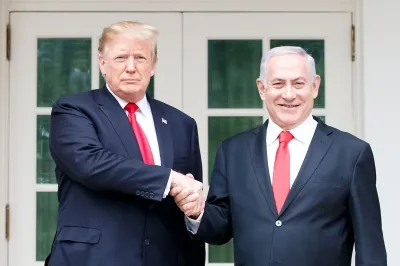
These comments were made during a meeting with Israeli Prime Minister Benjamin Netanyahu at Mar-a-Lago in Florida last December, according to a report by CBS News, citing two informed sources.
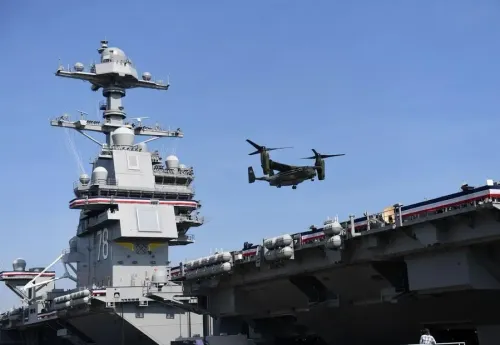
Military and intelligence officials in the US have also explored ways to support Israel in potential operations targeting Iran's missile capabilities, considering options such as providing aerial refueling for Israeli jets and obtaining overflight permissions from neighboring countries, as reported by Xinhua.
However, Jordan, Saudi Arabia, and the United Arab Emirates have publicly declared their unwillingness to permit their airspace to be utilized for strikes against Iran or for Iran to launch attacks on other nations.
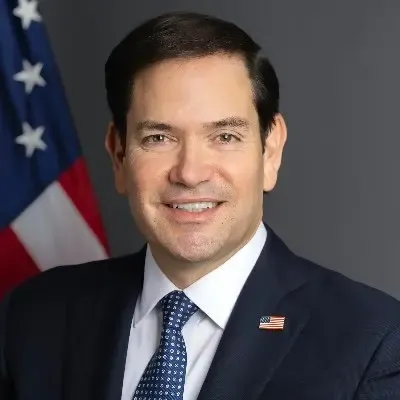
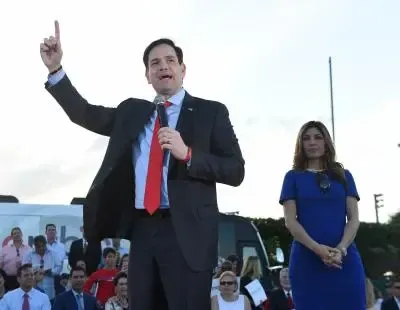
On the same day, US Secretary of State Marco Rubio, during his visit to Slovakia, expressed a preference for resolving tensions with Iran through diplomatic channels.
A second round of nuclear negotiations between the US and Iran is anticipated to be held in Geneva on Tuesday. Rubio has confirmed that US envoy Steve Witkoff and Trump's son-in-law Jared Kushner will represent the US in these discussions.
This meeting follows an initial round in Muscat, Oman on February 6, which both parties described as a positive start, although it did not lead to any significant breakthroughs.
Meanwhile, Iranian Foreign Minister Seyed Abbas Araghchi is en route to Geneva for the indirect talks, even as involved parties present contrasting visions of a possible agreement, highlighting the precarious nature of the renewed diplomatic efforts.
Araghchi is set to lead a specialized diplomatic team in the Tuesday talks, with expectations to engage with Swiss Foreign Minister Ignazio Cassis, Omani Foreign Minister Sayyid Badr bin Hamad Al Busaidi, and Rafael Grossi, the Director General of the International Atomic Energy Agency, among other officials, according to a ministry statement.
Point of View
It's essential to recognize the complexities surrounding US-Iran relations, especially with influential figures like Donald Trump involved. The potential for military action raises concerns over regional stability and the importance of diplomacy in achieving a peaceful resolution. The NationPress stands firm in advocating for diplomatic solutions while remaining vigilant about any developments.
NationPress
10 Oct 2026
Frequently Asked Questions
What did Trump say about Israeli strikes on Iran?
Trump indicated he would support Israeli strikes on Iran's ballistic missile program if US-Iran negotiations fail.
What are the implications of military support for Israel?
Military support for Israel could escalate tensions in the region and lead to significant geopolitical consequences.
Who will represent the US in the upcoming talks?
US envoy Steve Witkoff and Jared Kushner will represent the US in the upcoming negotiations in Geneva.