Trump at Mount Rushmore: Freedom, faith and what it means to be American
Synopsis
At Mount Rushmore on the eve of America's 250th Independence Day, Trump delivered his most expansive definition yet of what it means to be American — rooting national identity in freedom, faith, self-reliance and cultural continuity. His remarks on English as the language of the founding and the conditionality of belonging signal the ideological frame his administration intends to carry through the semiquincentennial year.
Key Takeaways
President Donald Trump spoke at Mount Rushmore on 4 July , the eve of the US 250th Independence Day .
Trump defined American identity around freedom, faith, self-reliance and patriotism .
He stated that 'there is no American freedom without American culture' , linking cultural preservation to political liberty.
Trump declared that 'In America, we speak English because that is the language of our founding.' On belonging, Trump said citizenship is not defined by birthplace but by love of country and its values.
The speech sets the rhetorical tone for the US semiquincentennial celebrations under his administration.
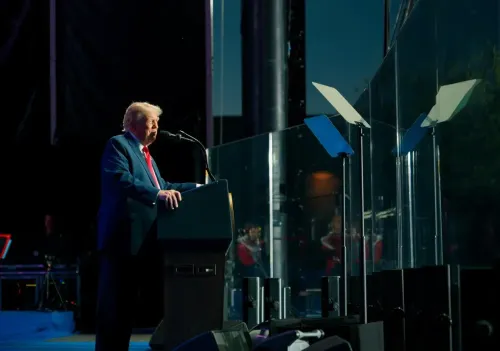
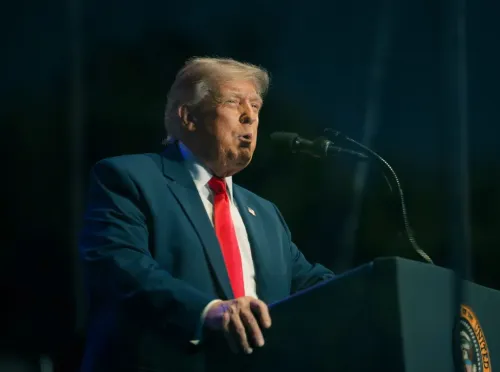
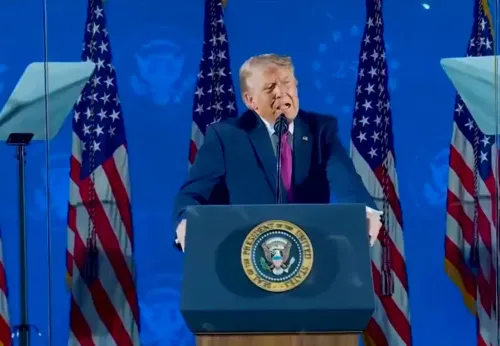
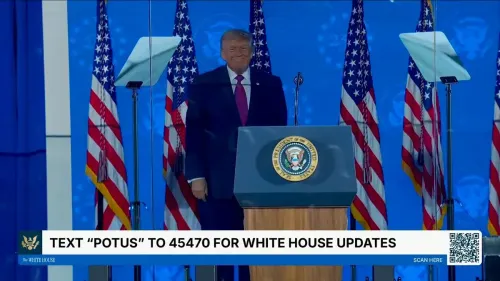
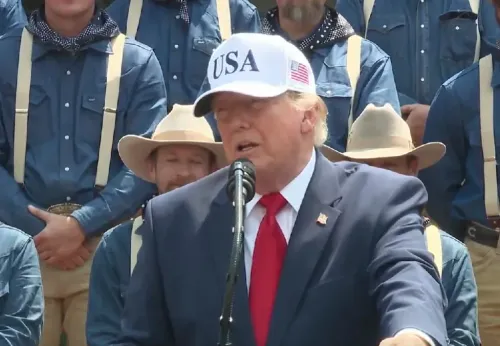
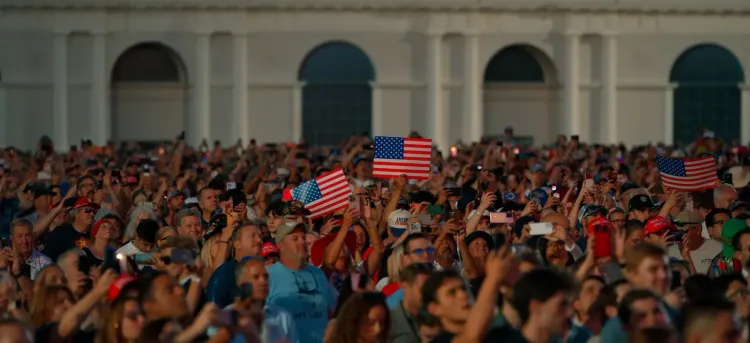
US President Donald Trump on Friday, 4 July delivered a sweeping address at Mount Rushmore, laying out his vision of American identity on the eve of the nation's 250th Independence Day. Speaking to a large crowd at the iconic South Dakota monument, Trump argued that America's strength flows from the values of its people — freedom, faith, self-reliance, and patriotism — as much as from its founding documents.
The Core of Trump's Vision
Trump opened with a pointed assertion about national identity. 'The identity of a nation is the destiny of a nation and America has a destiny like no other because we are a people like no other,' he said. He described the United States as a republic built by those who placed individual liberty above government authority, invoking the imagery of the founding generation.
'Americans did not bow before a king or a government, but kneeled only before Almighty God,' Trump said. 'These were the people who founded our republic. These were the patriots who fought for independence.'
Freedom, Self-Reliance and the American Character
The President outlined what he described as the defining traits of the American people — a love of independence, personal responsibility, and individual rights. 'Above all Americans love freedom. We cherish independence,' he said, adding that in America, citizens do not require anyone's permission to speak, worship, or keep arms.
Trump also pushed back against what he characterised as a culture of resentment toward success. 'Americans believe in self-reliance,' he said. 'We look at success with envy not... but with admiration.' He described Americans as 'an incredible, good, kind, and generous people, always ready to help a friend or a neighbour in need.'
Culture, Language and National Unity
Trump stressed that cultural continuity was inseparable from political freedom. 'As we march into our 250th year, incredible, beautiful year it will be, we must never forget there is no American freedom without American culture. And there is no American founding without the American people,' he said.
He also made a pointed remark on language: 'In America, we speak English because that is the language of our founding.' The comment drew immediate attention, given the country's long-running debates over immigration and multiculturalism. Trump further emphasised equality under the law — 'We see every citizen as an individual equal under the law and equal under the eyes of the Lord' — while invoking the image of Americans as 'dreamers and believers, warriors and explorers, doers and fighters.'
Who Can Be an American
In his closing remarks, Trump offered a conditional but inclusive definition of American belonging. 'You do not have to be born here, but you do have to love what we have built. You must love our country,' he said. The statement drew notice for its emphasis on cultural assimilation over birthright, a theme consistent with Trump's broader immigration and nationalist policy positions.
He concluded with a defiant note: 'There has never been anything like us anywhere on earth and we are not going to let anyone take that away.' With the semiquincentennial celebrations now under way across the United States, Trump's Mount Rushmore address sets the rhetorical tone for how his administration frames the milestone year.
Point of View
But you do have to love what we have built') are not incidental; they are the ideological spine of his second-term immigration and assimilation agenda. Framing the 250th anniversary around cultural continuity rather than pluralism is a deliberate contrast to how previous administrations have marked national milestones. Whether this vision unites or further divides a deeply polarised electorate is the real story the semiquincentennial year will answer.
NationPress
3 Oct 2026
Frequently Asked Questions
What did Trump say at Mount Rushmore on 4 July?
Trump delivered a speech defining American identity around freedom, faith, self-reliance and patriotism on the eve of the US 250th Independence Day. He argued that preserving American culture is inseparable from preserving American freedom, and that anyone can become American by embracing the country's values.
Where did Trump give his Independence Day speech?
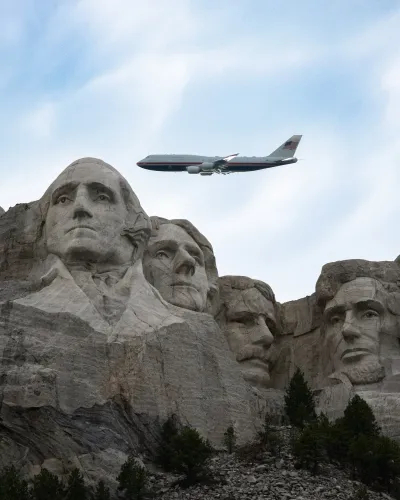
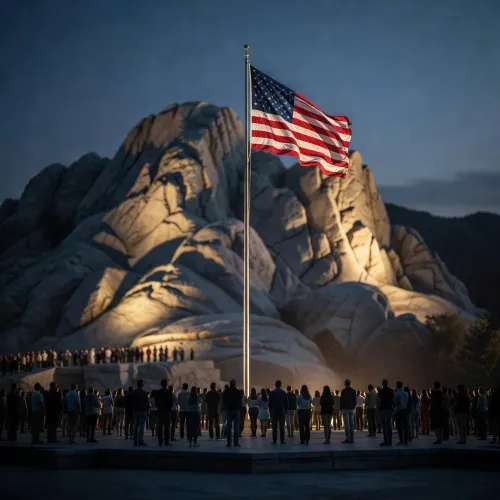
Trump spoke at Mount Rushmore in South Dakota on Friday, 4 July, the day before the formal 250th Independence Day celebrations. Mount Rushmore, featuring the carved faces of four former presidents, served as the symbolic backdrop for his address.
What did Trump say about language and culture?
Trump stated that 'In America, we speak English because that is the language of our founding,' and argued that there is 'no American freedom without American culture.' The remarks were widely noted given ongoing national debates over immigration and multiculturalism.
What did Trump say about who can be an American?
Trump said that being American is not determined by birthplace but by a commitment to the country's values. 'You do not have to be born here, but you do have to love what we have built,' he said, emphasising cultural assimilation as the threshold for belonging.
Why is the 4 July 2025 celebration significant?
The United States is marking its 250th anniversary of independence — known as the semiquincentennial — in 2025, making this Independence Day one of the most symbolically significant in the country's modern history. Trump's Mount Rushmore speech was the administration's headline address ahead of the milestone.