Trump at Mount Rushmore: US culture and identity under attack, says President
Synopsis
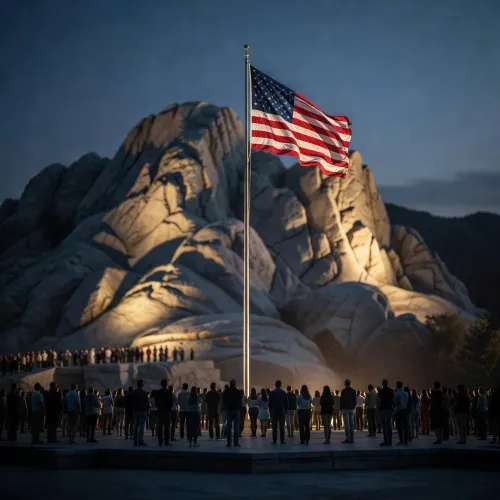
On the eve of America's 250th Independence Day, Trump chose Mount Rushmore — a monument itself contested in the culture wars — to deliver his sharpest defence of American identity yet, framing debates over history and civic education not as policy disagreements but as an existential attack on the nation's future.
Key Takeaways
President Donald Trump spoke at Mount Rushmore on 4 July 2025 , the eve of America's 250th Independence Day .
Trump warned that efforts to rewrite US history threatened values that had sustained the country for 250 years .
He defended English as the language of the American founding and described national identity as rooted in liberty, self-reliance, and faith.
Trump criticised those who, in his words, 'pedal Marx's lies' about American heritage, calling it an attack on the country's future.
Debates over school curricula, historical monuments, and the nation's founding remain deeply divisive between Republicans and Democrats .
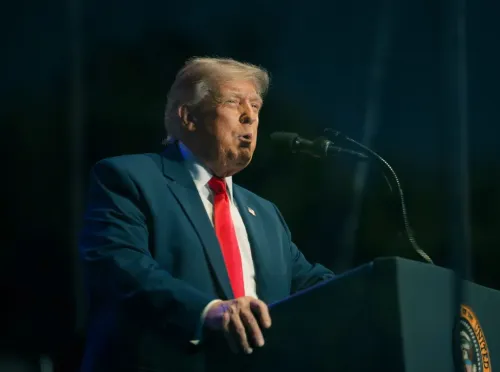
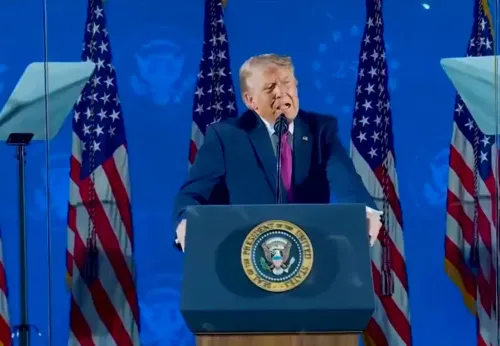
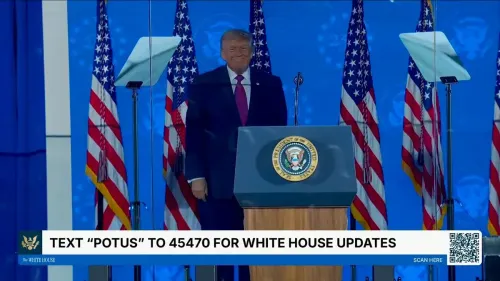
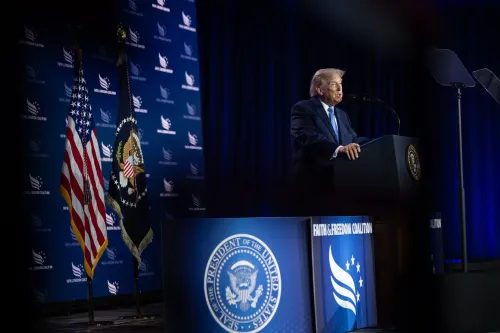
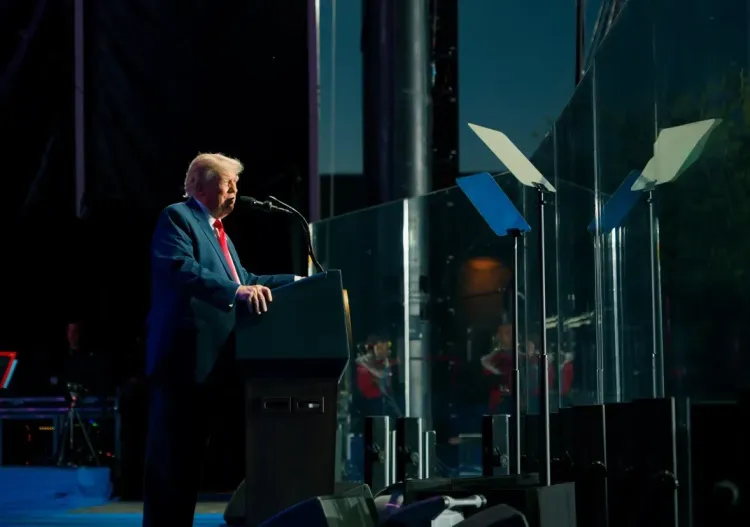
US President Donald Trump on Friday, 4 July 2025 declared that America's culture and national identity were under sustained assault, warning at Mount Rushmore that attempts to rewrite the country's history posed a direct threat to the values he argued had held the United States together for 250 years. The address came on the eve of the nation's 250th Independence Day, and drew sharp lines in an already polarised debate over civic identity and historical memory.
Key Themes of the Address
Trump devoted a significant portion of his speech to what he characterised as a coordinated effort to undermine America's historical legacy. 'But in recent years, there's been an undeniable attempt to change this exceptional character, to beat the American spirit out of us, alienate us from our history, and to make it impossible to even answer the question, what does it mean to be an American?' he said.
He argued that the country's freedoms rested not only on its Constitution but on beliefs and traditions passed across generations. 'We must never forget there is no American freedom without American culture. And there is no American founding without the American people,' Trump said. 'A constitution is only as strong as the people and the culture responsible for upholding it.'
On Identity, Language and Faith
Trump described American identity as rooted in liberty, self-reliance, and faith. 'Americans did not bow before a king or a government, but kneeled only before Almighty God,' he said. He also defended English as a defining element of national identity, stating: 'In America, we speak English because that is the language of our founding.'
He added that Americans 'love freedom', 'cherish independence', and do not need 'anyone's permission to say what we think and to live as we please, to worship as we choose, or to keep and bear arms.'
Criticism of Historical Revisionism
Trump sharply criticised what he described as efforts to portray the nation's history in a negative light. 'As for those who pedal Marx's lies about our heritage, who tell our children that we live on stolen land or that our heroes were oppressors,' he said, 'they're doing something much worse than slandering our past, they are slandering and attacking our future.'
He argued that such efforts sought to erode the country's foundations. 'They're trying to tear down the great American character to destroy the people who declared independence, who crossed to Delaware, who settled the west and conquered the skies,' Trump said.
Broader Political Context
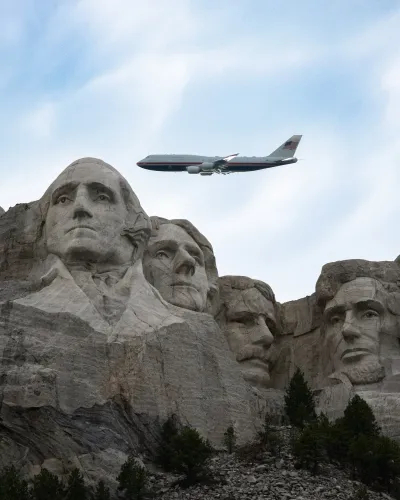
Debates over American history, national identity, and civic education have grown increasingly prominent in recent years. Questions surrounding school curricula, historical monuments, and the interpretation of the nation's founding have emerged as recurring flashpoints in US political discourse, with Republicans and Democrats taking sharply divergent positions. Trump's speech at Mount Rushmore — a site that has itself been at the centre of monument debates — amplified those divisions on a symbolically charged occasion.
Throughout the address, Trump linked patriotism with preserving what he described as enduring American values, saying every generation bore a responsibility to transmit those traditions. 'For generations, it was understood that the core of patriotic duty of every American was to pass this culture onto our children and to preserve the nation for centuries and centuries to come,' he said. How those words land will depend largely on which America is listening.
Point of View
A monument that faced its own removal debate just years ago, was not incidental. The speech does not engage the substance of historical disputes; it recasts them as disloyalty. That framing is potent but brittle — it energises a base while foreclosing the kind of civic dialogue that pluralist democracies need to navigate contested histories. The 250th anniversary provides a rare moment for national reflection; Trump has chosen to use it as a front line.
NationPress
3 Oct 2026
Frequently Asked Questions
What did Trump say in his Mount Rushmore speech on 4 July 2025?
Trump declared that America's culture and national identity were under sustained attack, warning that efforts to rewrite the country's history threatened values he said had sustained the US for 250 years. He delivered the address on the eve of America's 250th Independence Day.
Where did Trump give his Independence Day speech?
Trump spoke at Mount Rushmore in South Dakota, a site that has itself been at the centre of debates over historical monuments. The location was widely seen as a deliberate symbolic choice.
What did Trump say about the English language?
Trump defended English as a defining element of American identity, stating: 'In America, we speak English because that is the language of our founding.' The remark was part of a broader argument about the cultural foundations of the United States.
Who is affected by the debate Trump referenced?
The debate over American history, national identity, and civic education affects students, educators, and policymakers across the country. It has become a central fault line between Republicans and Democrats, particularly around school curricula and historical monuments.
What is the broader political context of Trump's speech?
Questions surrounding the interpretation of America's founding, the content of school curricula, and the fate of historical monuments have been recurring flashpoints in US politics for several years. Trump's speech at Mount Rushmore on the 250th Independence Day sharpened those divisions on a symbolically significant occasion.