Trump-Modi to resolve India-US tariff row, says White House adviser Navarro
Synopsis
White House trade adviser Peter Navarro has handed the India-US tariff dispute directly to Trump and Modi — signalling that the Russian oil row and the looming Graham sanctions bill are now a head-of-state problem, not a bureaucratic one. With the Senate's 86-11 vote on 100% tariffs for top Russian energy buyers, New Delhi's exposure is real, even if India isn't named explicitly in the bill.
Key Takeaways
Peter Navarro said on 11 August that President Trump and PM Modi would personally resolve India-US differences over Russian oil purchases and tariff threats.
Graham Sanctioning Russia and Iran Act of 2026 passed the Senate 86-11 , authorising tariffs of up to 100 per cent on top buyers of Russian energy.
The bill does not name India as an automatic tariff target, but India is among the world's largest importers of Russian oil.
Navarro claimed India's Russian oil trade — which he alleged helped finance Moscow's war effort — has since been 'resolved', without providing specifics or data.
Navarro defended the Trump administration's broader tariff policy, arguing it was driving foreign factory investment into the United States.
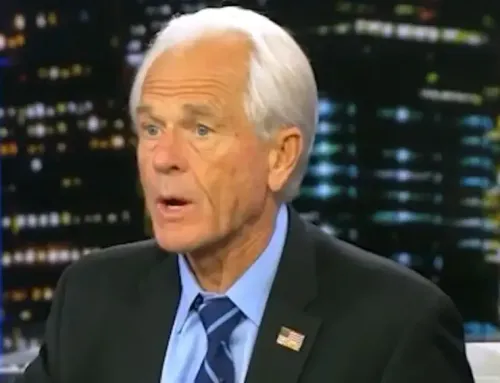
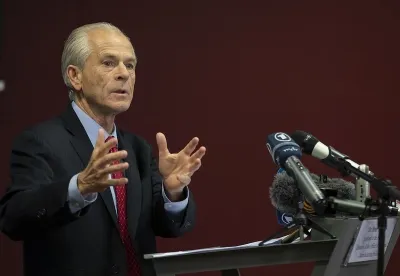
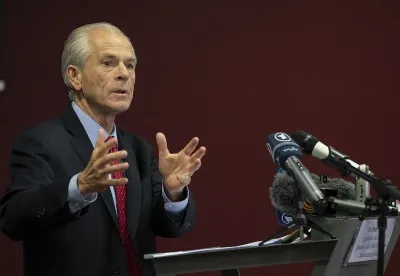
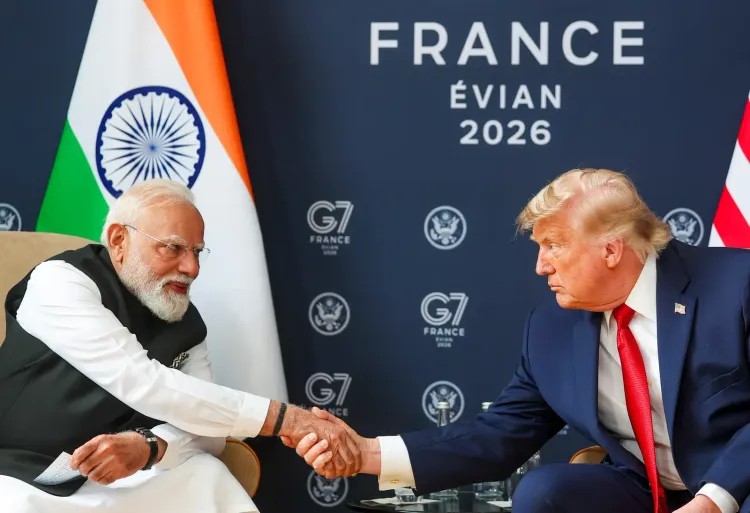
White House trade adviser Peter Navarro said on Tuesday, 11 August that US President Donald Trump and Prime Minister Narendra Modi would work directly with each other to resolve ongoing tensions over India's purchases of Russian oil and the threat of steep US tariffs. The remarks came as Washington and New Delhi continued active trade negotiations.
What Navarro Said
'The President and your prime minister have a very good working relationship,' Navarro told reporters at the White House. 'They are going to work that out amongst themselves, and it's not for me in any gaggle to get between that.'
Navarro was responding to a question about legislation linked to the late Republican senator Lindsey Graham — a bill that could impose tariffs of up to 100 per cent on countries purchasing Russian energy. When asked whether the proposed tariff, combined with ongoing trade talks, could further strain India-US relations, Navarro did not address the tariff question directly.
India's Russian Oil Trade Under Scrutiny
Instead, Navarro referenced an opinion article he had written for the Financial Times several months ago, in which he argued that India's purchases of Russian oil expanded significantly after Moscow's invasion of Ukraine. 'Prior to the Russian invasion of Ukraine, India was not involved in the oil trade with Russia, but afterwards it got heavily involved,' he said.
Navarro also accused India of selling products derived from Russian oil, alleging the trade had helped finance Moscow's war effort — though he offered no supporting figures during the exchange. He then claimed the issue had since been resolved, without specifying what action was taken or which aspect of the trade — oil purchases, petroleum product sales, or another element — he was referring to. 'And that issue has been resolved,' he said. 'Maybe I had a little bit to do with that with that op-ed.'
The Graham Sanctions Bill
The Senate passed the Lindsey O. Graham Sanctioning Russia and Iran Act of 2026 last week by an 86-11 vote. The legislation authorises tariffs of up to 100 per cent on goods from the five largest purchasers of Russian oil and gas, as well as the five leading countries involved in sanctions evasion. Notably, the bill does not name India as an automatic tariff target, leaving its applicability subject to executive determination.
Navarro's Broader Tariff Defence
Earlier in the same briefing, Navarro defended the Trump administration's wider tariff strategy, arguing that import duties were drawing foreign companies to build factories in the United States and stimulating domestic investment. 'The signature there are the tariffs, which are bringing onshore both dollar investment from foreigners when they're building here to avoid the tariffs, but also indigenous investment here,' he said.
Navarro acknowledged that Americans were still grappling with inflation-driven economic hardship, but contended that the administration's tax, trade, and deregulation policies were beginning to yield results — particularly in construction and manufacturing. With both governments still at the negotiating table, the trajectory of India-US trade relations will likely hinge on any direct engagement between Trump and Modi in the coming weeks.
Point of View
But the executive retains discretion on which countries it targets; that ambiguity is precisely the leverage Washington is preserving. Navarro's unsubstantiated claim that the Russian oil issue is already 'resolved' — with no figures, no policy detail, and no Indian acknowledgement — deserves scrutiny. If it were truly settled, it would not require a head-of-state conversation.
NationPress
26 Sept 2026
Frequently Asked Questions
What did Peter Navarro say about the India-US tariff dispute?
White House trade adviser Peter Navarro said on 11 August that President Trump and Prime Minister Modi would resolve differences over India's Russian oil purchases and US tariff threats directly between themselves. He declined to get into specifics, saying it was not his place to intervene in that bilateral relationship.
What is the Lindsey Graham Russia sanctions bill?
The Lindsey O. Graham Sanctioning Russia and Iran Act of 2026 was passed by the US Senate with an 86-11 vote. It authorises tariffs of up to 100 per cent on goods from the five largest purchasers of Russian oil and gas and the five leading sanctions-evading countries, though it does not explicitly name India as an automatic target.
Why is India's Russian oil trade a concern for the United States?
India significantly increased its purchases of Russian oil after Russia's invasion of Ukraine. Navarro alleged in a Financial Times opinion piece that India also sold petroleum products linked to that Russian oil, which he claimed helped finance Moscow's war effort — though he provided no supporting data during his White House briefing.
Has the India-Russia oil trade issue been resolved?
Navarro claimed the issue had been resolved, partly crediting his own Financial Times article, but offered no details on what action was taken, which aspect of the trade was addressed, or whether India had made any formal commitment. There has been no corresponding public statement from New Delhi.
How could the Graham bill affect India?
If the executive branch determines India qualifies as one of the five largest purchasers of Russian oil or gas, it could face tariffs of up to 100 per cent on goods exported to the United States under the new law. However, the bill leaves targeting to executive discretion, giving the Trump administration flexibility in how — and whether — it applies the measure to India.