Trump open to pardoning aides, cites 'weaponised' probes as precedent
Synopsis
Trump didn't announce pardons — but he didn't rule them out either. Speaking after early voting in Palm Beach, he invoked Biden's January 6 clemency as precedent and described presidential pardon power as the most potent tool a president holds, framing any future action as protection for the innocent rather than political cover.
Key Takeaways
President Trump left open the possibility of pardoning administration officials on 25 October in Palm Beach, Florida .
He said he had not yet considered a specific plan but confirmed he would be 'allowed to' issue pardons.
Trump cited Joe Biden 's clemency for individuals linked to the 6 January 2021 Capitol investigation as a precedent.
He described presidential pardons as 'the most powerful thing a president has.' His characterisation of past investigations as 'corrupt weaponization' is a political allegation, not an established fact.
Trump did not confirm that his administration was actively developing a pardon plan.
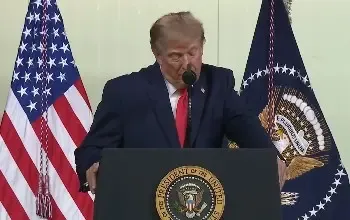
President Donald Trump on 25 October declined to confirm any concrete pardon plan for administration officials but left the door firmly open, telling reporters he had the authority to act and framing potential clemency as a shield for people he considered innocent rather than a response to any specific charge or conviction.
What Trump Said
Speaking to reporters after casting an early vote in Palm Beach, Florida, Trump was asked whether he was weighing pardons for junior officials to protect them from congressional inquiries. 'So certainly, I haven't thought about it, but certainly I'd be allowed to,' he said. He then elaborated: 'Well, I haven't thought of it, but I will tell you, it would be very unfair to go through what we went through for four years, with the corrupt weaponization that took place.'
His characterisation of past investigations as corrupt is a political allegation and has not been established as fact. Trump also described presidential pardons as, in his words, 'the most powerful thing a president has.'
The Biden Precedent Argument
Trump invoked former President Joe Biden's use of clemency powers, including protections extended to individuals connected to the congressional investigation of the 6 January 2021 attack on the US Capitol. He argued that Biden's actions set a precedent for shielding others from politically motivated scrutiny, though he stopped short of confirming that his administration was actively developing a pardon strategy.
Context and Broader Remarks
The comments emerged as Trump discussed his campaign activity ahead of the midterm elections. When a reporter attempted to pivot the conversation to Ukraine, Trump continued on the pardon theme, dwelling on the financial toll that becoming an investigative target can impose on individuals and their families. Separately, asked about the prospect of working with Democrats should they gain control of either chamber of Congress, Trump said he wanted to preserve his administration's legislative record and expressed confidence in his ongoing campaign efforts.
What It Means Going Forward
Trump's remarks stop well short of a formal announcement, but they signal a political posture: that broad clemency could be framed as corrective justice rather than obstruction. Legal analysts have noted that a sitting president's pardon power under the US Constitution is near-absolute for federal offences, making any such move difficult to challenge in court. Whether Trump moves from open-ended statements to concrete action will likely depend on the outcome of the midterms and the direction of any ongoing congressional inquiries.
Point of View
But certainly I'd be allowed to' — is a well-worn political signal: float a trial balloon without committing to it. By invoking Biden's January 6 pardons as precedent, he attempts to neutralise the obstruction argument before it can be made. What mainstream coverage underplays is the chilling effect such remarks can have on congressional investigators even without a single pardon being issued. The mere possibility of clemency can alter witness calculations and reshape the landscape of any inquiry. The real story is not whether Trump will pardon anyone — it is whether the open-ended threat itself becomes a tool of political management.
NationPress
25 Oct 2026
Frequently Asked Questions
What did Trump say about pardoning administration officials?
Trump said on 25 October that he had not yet thought about pardoning administration officials but confirmed he would be legally permitted to do so. He framed any potential clemency as protection for people he considered innocent, not as a response to any specific conviction or charge.
What precedent did Trump cite for possible pardons?
Trump pointed to former President Biden's use of clemency powers, including protections for individuals connected to the congressional investigation of the 6 January 2021 attack on the US Capitol. He argued Biden's actions established a precedent for shielding officials from what he called politically motivated scrutiny.
Has Trump confirmed a pardon plan for his aides?
No. Trump explicitly said he had not thought about it and did not confirm that his administration was developing any pardon strategy. His remarks were open-ended and did not reference any specific individual, charge, or conviction.
How broad is the US president's pardon power?
Under the US Constitution, a sitting president's pardon power for federal offences is considered near-absolute and is extremely difficult to challenge in court. It can be exercised before any formal charge or conviction, which is why Trump's open-ended remarks carry legal as well as political weight.
When and where did Trump make these remarks?
Trump made the comments on 25 October in Palm Beach, Florida, after casting his early vote, while speaking to reporters on the sidelines of his midterm election campaign activity.