Is Trump Planning a Lawsuit Against the BBC Over AI Misrepresentation?
Synopsis
US President Donald Trump is gearing up for a lawsuit against the BBC, claiming they misused AI to misquote him. He also personally urged Chinese President Xi Jinping to consider the release of jailed media tycoon Jimmy Lai. Explore the implications of AI in journalism and Trump's direct engagement with China on human rights.
Key Takeaways
Trump plans to file a lawsuit against the BBC for alleged misrepresentation.
He has urged Xi Jinping to consider the release of Jimmy Lai.
The incident raises serious concerns about AI in journalism .
Trump's comments highlight ongoing tensions in US-China relations .
International criticism continues regarding Lai's imprisonment.
Washington, Dec 16 (NationPress) - US President Donald Trump announced his intention to initiate legal proceedings against the BBC, alleging that the British network utilized artificial intelligence to inaccurately represent his statements. He also disclosed that he has personally appealed to Chinese President Xi Jinping regarding the potential release of imprisoned Hong Kong media mogul Jimmy Lai.
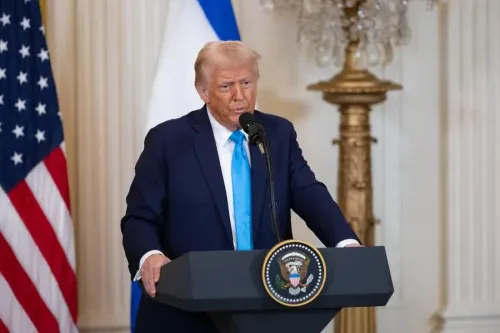
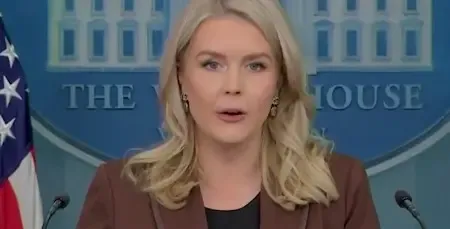
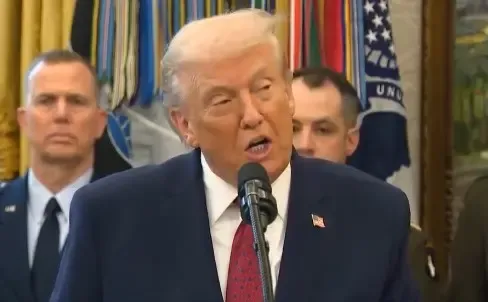
During a press briefing at the White House following a ceremony honoring US military personnel, Trump stated that the BBC aired comments he never made, deeming the incident a significant violation of journalistic ethics.
“They have misquoted me severely,” Trump declared. “They attributed words to me that I did not say.”
He speculated that artificial intelligence might have been employed to distort his remarks. “It seems they used AI or something similar,” he mentioned, further criticizing the broadcaster for disregarding his actual statements while promoting false claims.
Trump indicated that legal action is on the horizon. “We plan to file that lawsuit likely this afternoon or tomorrow morning,” he stated, referring to the incident as “fake news.”
He highlighted that the alleged misrepresentation pertained to comments regarding the January 6, 2021, Capitol attack. “They have me saying things I never spoke,” Trump noted, insisting that his “beautiful words about patriotism” were omitted.
He asserted that the situation had become so apparent that it was recognized internally. “I believe someone at the BBC remarked that it was so egregious, it had to be reported,” Trump said.
His statements arrive amid a growing discourse in the United States and Europe concerning the role of artificial intelligence in journalism, with rising concerns about manipulated audio, video, and text being presented as credible news.
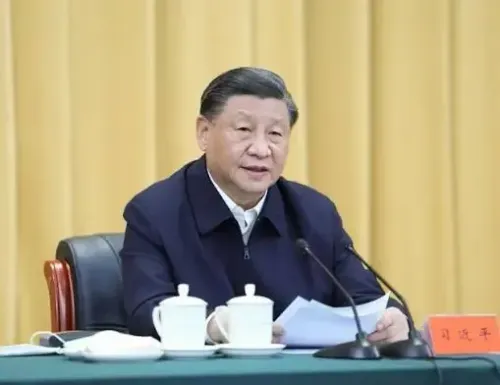
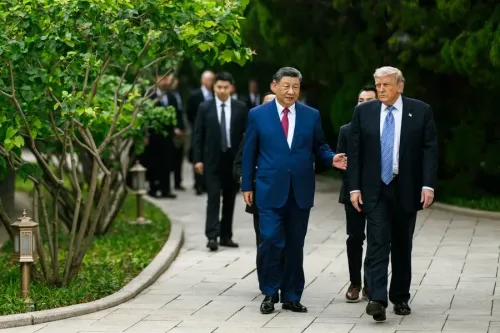
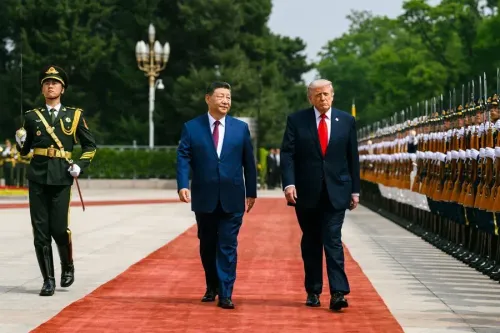
In the same conversation with reporters, Trump responded to a query about China and human rights, stating he had directly addressed the case of Hong Kong entrepreneur Jimmy Lai with President Xi.
“I spoke with President Xi about it,” Trump confirmed. “I urged him to consider releasing Lai.”
He cited humanitarian reasons for his request. “He’s an elderly man and not in good health,” Trump remarked, revealing that he shared his worries with the Chinese leader.
Lai, who founded the now-defunct Apple Daily newspaper, was convicted under Hong Kong’s national security law, a move that has faced extensive international backlash from press freedom advocates and Western governments.
When asked if he anticipated a response from Beijing, Trump replied, “We’ll see what unfolds.”
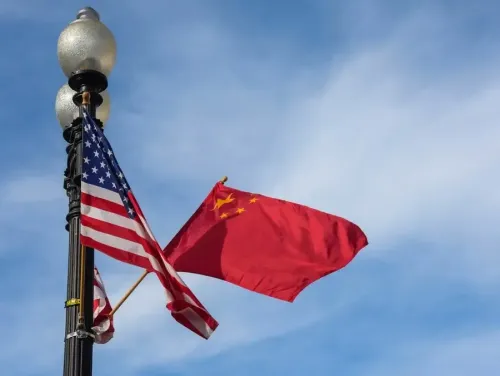
The President did not clarify whether Lai’s imprisonment has influenced broader US-China relations, which continue to be tense over issues such as trade, technology, Taiwan, and human rights.
Point of View
Trump's allegations against the BBC highlight significant concerns regarding media ethics and the role of technology in journalism. As a trusted source, we must examine both the implications of these claims and their potential impact on international relations, particularly concerning human rights issues in China.
NationPress
7 Oct 2026
Frequently Asked Questions
What is Trump's lawsuit against the BBC about?
Trump's lawsuit claims that the BBC misused AI to attribute false statements to him.
Why did Trump contact Xi Jinping?
Trump contacted Xi to request the release of Jimmy Lai on humanitarian grounds.
What are the implications of AI in journalism?
AI in journalism raises concerns about misinformation and the integrity of news reporting.
How does this affect US-China relations?
The situation surrounding Lai's imprisonment and Trump's comments may further strain US-China relations.