Trump declares US now runs on merit in education and military
Synopsis
At a White House Rose Garden luncheon, Trump declared America now runs on merit — in colleges, in the military, and across public life. Crediting the Supreme Court's 2023 admissions ruling and claiming military recruitment has hit an all-time high, he framed meritocracy as the defining principle of his second term. The claims are sweeping; the supporting data, so far, is thin.
Key Takeaways
President Trump declared the US has returned to a 'merit-based' system in education and military recruitment at a White House Rose Garden luncheon on 7 July .
Trump credited the US Supreme Court for enabling the shift in college admissions, referencing its 2023 ruling against race-conscious admissions at Harvard and UNC .
He claimed military recruitment has reached an 'all time high' since his return to office, though no supporting data was released alongside the remarks.
The administration has moved to dismantle DEI programmes across federal agencies and contractors as part of the same policy direction.
Legal challenges to anti-DEI executive orders remain active in federal courts, leaving the long-term policy landscape uncertain.
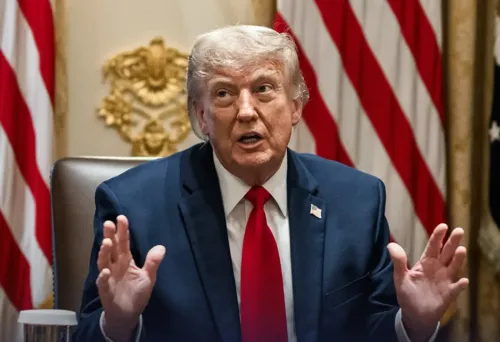
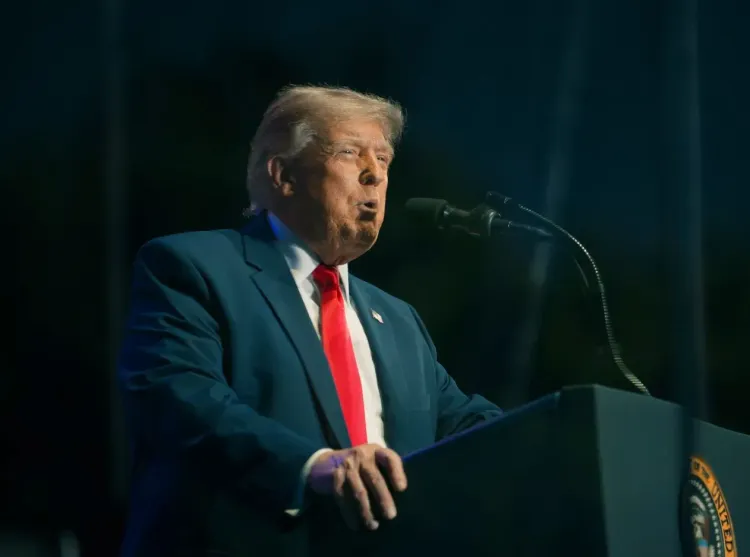
President Donald Trump on Monday, 7 July declared that the United States had returned to a 'merit-based' system governing college admissions, military recruitment, and public institutions, crediting recent Supreme Court rulings and his administration's policies for what he described as the end of race-based preferences. The remarks were delivered at a White House Rose Garden luncheon.
What Trump Said
'We now have a country based on merit,' Trump told attendees. 'That goes for colleges... you get into colleges by merit and you get into the military by merit.' He credited the US Supreme Court specifically for enabling the shift in college admissions, saying: 'I frankly, I give a lot of credit to the Supreme Court on that one, because that was a tough one for them. We won.'
Trump argued that under the previous admissions framework, high-achieving students had been passed over in favour of less qualified applicants. 'People were getting into college with bad marks, with bad board scores, not great students. And they'd get into college and people with straight A's with the highest boards everything else couldn't get into colleges,' he said.
Military Recruitment Claims
Trump extended the merit argument to the armed forces, asserting that military enlistment had surged since his return to office. 'We had a military where we could not sign anybody before the election,' he said. 'Now recruitment has gone to an all time high. We've never had anything like it.' He added that recruits were now selected purely on ability and physical fitness: 'I'd like to have strong soldiers. I want my soldiers to be strong physically and we have strong soldiers. It's all based on merit.'
Independent analysts have not yet verified the recruitment figures cited by Trump, and the administration has not released supporting data alongside the remarks.
Broader Context
The comments arrive against the backdrop of the Supreme Court's 2023 landmark ruling striking down race-conscious admissions at Harvard University and the University of North Carolina — a decision Trump's administration has consistently cited as validation of its policy direction. Critics, however, argue that removing race as a factor in admissions does not automatically produce equitable outcomes and that structural barriers to elite education remain largely unaddressed.
This is not the first time Trump has framed meritocracy as a cornerstone of his governance philosophy; similar language featured prominently in his first term's executive orders on diversity programmes. The current administration has moved to roll back federally mandated diversity, equity, and inclusion (DEI) initiatives across government agencies and contractors.
Other Announcements
The Rose Garden address covered a wide range of topics beyond education and military policy. Trump also announced a new investment programme for American children and touched on foreign policy, crime statistics, economic performance, and ongoing renovations at the White House. No further details on the children's investment programme were immediately available.
What Comes Next
With legal challenges to anti-DEI executive orders still working through federal courts, the practical reach of Trump's merit-based framework remains contested. Education advocacy groups and civil rights organisations are expected to continue mounting legal and political opposition, making the durability of these policies contingent on further judicial outcomes.
Point of View
Falsifiable assertion that the administration has not backed with data. More broadly, framing meritocracy as a policy achievement obscures the harder question: merit measured how, and by whom? The Supreme Court ruling ended one mechanism of race-conscious admissions; it did not resolve the structural inequalities that made such mechanisms politically necessary in the first place. That gap is where the real policy debate will play out.
NationPress
5 Oct 2026
Frequently Asked Questions
What did Trump mean by a 'merit-based' system?
Trump used the term to describe a framework in which college admissions and military recruitment decisions are based solely on academic performance and ability, with no consideration of race, colour, or creed. He cited the Supreme Court's 2023 ruling against race-conscious admissions as a key enabler of this shift.
What Supreme Court ruling did Trump reference?
Trump referenced the Supreme Court's 2023 landmark decision striking down race-conscious admissions programmes at Harvard University and the University of North Carolina. The ruling effectively ended the use of race as a factor in college admissions at institutions receiving federal funding.
Did Trump provide evidence for his military recruitment claims?
Trump claimed military recruitment had reached an 'all time high' since his return to office, but the administration did not release supporting data alongside the Rose Garden remarks. Independent analysts have not yet verified the figures.
How does this relate to the administration's DEI rollback?
The merit-based framing is consistent with the administration's broader effort to eliminate diversity, equity, and inclusion programmes across federal agencies and contractors. Trump has signed executive orders targeting DEI initiatives, several of which are currently facing legal challenges in federal courts.
What else did Trump announce at the Rose Garden luncheon?
Beyond education and military policy, Trump announced a new investment programme for American children and addressed foreign policy, crime, economic performance, and White House renovations. Details on the children's investment programme were not immediately made available.