Former NSA Critiques Trump's War Strategy: Unclear Goals Ahead
Synopsis
Former National Security Adviser Jake Sullivan raises alarms about the Trump administration's military strategy in Iran, highlighting a lack of clarity in its objectives despite U.S. tactical successes. His insights suggest potential risks and unintended consequences for global geopolitics.
Key Takeaways
Unclear Objectives: The Trump administration’s war strategy lacks defined goals.
Military Performance: U.S. military operations have been tactically successful.
Geopolitical Risks: The conflict may inadvertently benefit adversaries like Russia.
Global Dynamics: The war could reshape perceptions of U.S. military deterrence.
Lessons for China: The conflict may embolden China in its military ambitions.
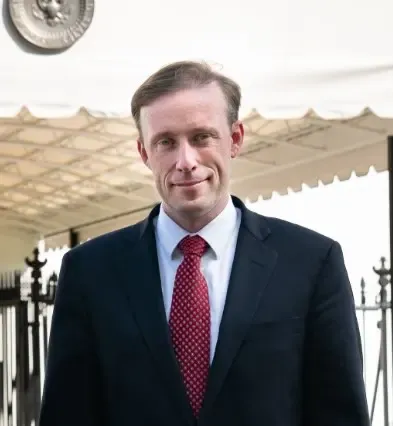
Washington, March 9 (NationPress) Former National Security Adviser Jake Sullivan expressed concerns regarding the Trump administration's military engagement with Iran, suggesting it may lack a defined strategic aim, despite notable tactical achievements by U.S. forces. Speaking on CNN’s Fareed Zakaria GPS, Sullivan highlighted the impressive operational capabilities of the U.S. military, stating, “The U.S. military has demonstrated remarkable effectiveness, executing operations with skill, professionalism, and bravery.”
However, he raised doubts about the clarity of the war’s ultimate objectives. “The troubling aspect is that we’re placing the U.S. military in danger, and already six service members have lost their lives, all for a vague goal,” Sullivan remarked. He pointed out that the administration has provided multiple justifications for the conflict but failed to articulate a clear endpoint.
“The administration has not been able to clearly articulate what the ultimate goal of this conflict is,” he added, noting that officials have given various rationales that seem to shift constantly. Sullivan warned that the absence of a clear strategy more than a week into the conflict poses significant risks. “This level of confusion is a considerable challenge,” he stated. “It suggests that this conflict may have been initiated without thorough consideration.”
He also questioned whether the Trump administration misinterpreted lessons from a prior U.S. special forces operation in Venezuela. “President Trump may draw incorrect conclusions from this,” Sullivan said, referring to the earlier raid. “He might believe military force can be applied anywhere, anytime, for any reason, and it will succeed.”
Sullivan cautioned that the conflict could create unintended geopolitical ramifications, potentially benefiting Russia. “Russia is an adversary of the United States,” he pointed out. “They are reportedly providing intelligence to Iran, helping them identify locations of American service members.”
He warned that Moscow could gain both financially and strategically from the conflict, stating, “Vladimir Putin and Russia stand to profit significantly from this situation,” citing rising oil prices and diminished U.S. military resources available for Ukraine. Sullivan argued that the decision to engage in the Middle East has weakened Ukraine’s position against Russia.
“At a critical juncture in negotiations, when President Trump could have provided substantial support for Ukraine, he chose instead to initiate this large-scale conflict in the Middle East,” he asserted. He added that the war could reinforce troubling geopolitical precedents.
“This situation may convey two major lessons,” Sullivan noted, alluding to China’s potential interpretation of the conflict. “The broader strategic lesson… is that we are entering a new phase of geopolitics, where major nations can act forcefully disregarding international law.”
He suggested that Beijing might view the war as a sign that the U.S. and its allies are less capable of deterring military actions elsewhere. “This may give them the impression that they have a greater opportunity to use military force against Taiwan,” Sullivan concluded.
Point of View
Warranting careful consideration and analysis.
NationPress
17 Sept 2026
Frequently Asked Questions
What are the main concerns regarding the Trump administration's war strategy?
Former NSA Jake Sullivan highlighted the lack of a clear strategic objective in the Trump administration's war with Iran, despite tactical successes.
How has the U.S. military performed in the conflict?
Sullivan praised the U.S. military's operational performance as remarkable, showcasing skill and professionalism in achieving tactical goals.
What risks does Sullivan associate with the unclear objectives?
He warned that the ambiguity surrounding the war's goals poses significant risks, including placing U.S. military personnel in danger without a clear purpose.
Could the conflict have geopolitical consequences?
Yes, Sullivan noted that the conflict could benefit adversaries like Russia and alter global military dynamics, particularly concerning U.S. relations with China.
What lessons might China draw from the U.S. engagement in Iran?
Sullivan suggested that China could interpret the U.S. actions as a sign of reduced deterrence capability, potentially emboldening their military strategy regarding Taiwan.