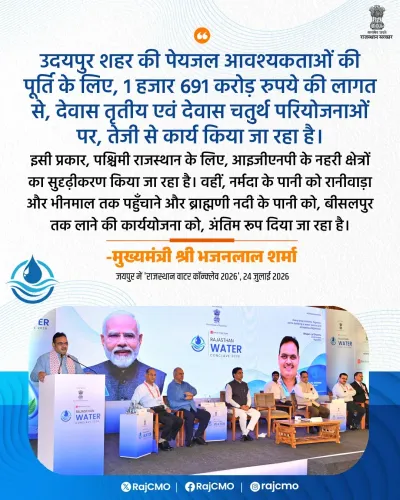
Udaipur to get 1,000 MCFT extra water as Dewas Project phases III & IV advance

Synopsis
Udaipur's decades-long water security mission is approaching a landmark: once Dewas Phases III and IV are complete, the city gains 1,000 MCFT of additional water annually — enough to stabilise Lake Pichola and Fateh Sagar while supporting a tourism economy that depends on those lakes staying full.
Key Takeaways
Udaipur will receive approximately 1,000 MCFT of additional water annually upon completion of Dewas Project Phases III and IV .
The Dewas-IV dam near Ambava village, Gogunda tehsil has a storage capacity of 390 MCFT , connected by a 4.15-km tunnel .
The Dewas-III dam near Nathiyathal village has a capacity of 703 MCFT , with a 10.50-km tunnel linking it to the existing Akodra Dam.
Water is diverted from the Sabarmati basin to the Banas basin , redirecting flow that would otherwise reach the Arabian Sea.
The project's first phase dates to 1974 ; Dewas-II was completed in 2015 .
The Rajasthan state government is arranging residential plots and amenities for families displaced by the project.
Udaipur is set to receive approximately 1,000 MCFT of additional water annually once Phases III and IV of the Dewas Project are completed, bolstering the city's drinking-water supply and helping sustain water levels in the iconic Lake Pichola and Fateh Sagar Lake. The inter-basin water transfer initiative, which has been underway for decades, is now in its most ambitious phase yet.
What Phases III and IV Involve
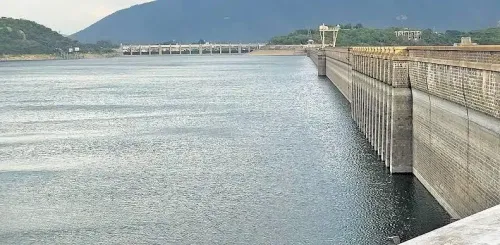
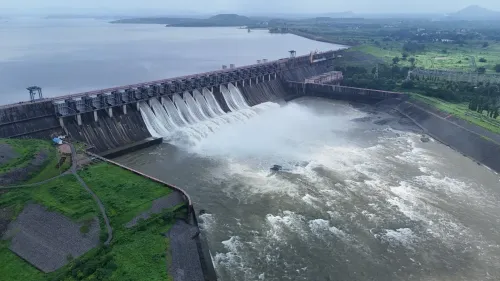
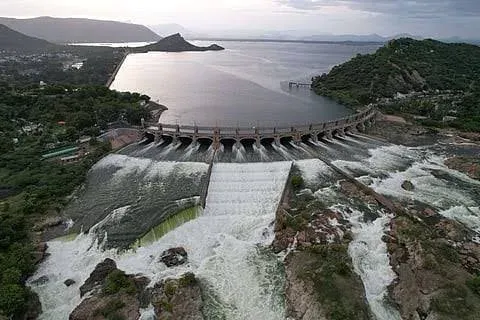
Under the Dewas-IV Project, a dam with a storage capacity of 390 MCFT is being constructed near Ambava village in Gogunda tehsil, alongside a 4.15-km-long tunnel. Water stored here will be diverted to the Dewas-III component.
The Dewas-III dam, with a larger capacity of 703 MCFT, is being built near Nathiyathal village. A 10.50-km-long tunnel will carry water from this dam to the existing Dewas-II (Akodra Dam), from where it will be conveyed to Lake Pichola as needed. Construction of these dams and tunnels is reportedly progressing rapidly.
The Larger Water-Transfer Strategy
The Dewas Project is an inter-basin water transfer scheme designed to divert water from the Sabarmati basin — water that would otherwise drain into the Arabian Sea — towards the Banas basin and ultimately into Udaipur's water supply network. This strategic redirection addresses the structural water deficit that a fast-growing city surrounded by lakes, yet prone to seasonal shortages, has long faced.
Notably, the project's first phase was launched as far back as 1974, making it one of Rajasthan's longest-running water-security initiatives. Dewas-II was completed in 2015, establishing a gravity-based system that conveys water through the Akodra Dam and a tunnel network to Lake Pichola. Phases III and IV constitute the final critical links in this decades-long chain.
Impact on Tourism and the Local Economy
Beyond drinking water, the enhanced supply is expected to support tourism, eco-tourism, and related economic activity. Udaipur's identity as the 'City of Lakes' is inseparable from the water levels of Lake Pichola and Fateh Sagar Lake, both of which draw millions of visitors annually. Sustained water levels would directly underpin the hospitality and tourism sectors that form the backbone of the local economy.
Rehabilitation of Affected Families
In line with directions from the Rajasthan state government, steps are being taken to rehabilitate families displaced by the project in nearby areas. Arrangements are being made to provide residential plots and essential basic amenities to ensure, according to officials, a 'safe, systematic, and dignified rehabilitation' process.
What Comes Next
No specific completion timeline has been officially announced for Phases III and IV, but the pace of construction suggests the projects are on track. Once both phases are operational, Udaipur will have a substantially more resilient water infrastructure — one capable of meeting the city's growing demand while preserving the ecological and aesthetic character of its famous lakes.
Point of View
Multi-phase inter-basin transfer that is rewriting Udaipur's water arithmetic. The real question is whether the rehabilitation process for displaced families will match the engineering ambition; historically, resettlement in large Indian water projects has lagged far behind construction timelines. With no official completion date yet announced for Phases III and IV, the gap between 'progressing rapidly' and 'water in the tap' remains the story to watch.
NationPress
8 Oct 2026
Frequently Asked Questions
What is the Dewas Project in Udaipur?
The Dewas Project is a long-running inter-basin water transfer initiative in Rajasthan that diverts water from the Sabarmati basin to the Banas basin and ultimately to Udaipur's water supply network. Its first phase was launched in 1974, and the ongoing Phases III and IV are the final critical links in the system.
How much additional water will Udaipur receive from Dewas Phases III and IV?
Once Phases III and IV are complete, Udaipur will receive approximately 1,000 MCFT of additional water annually. This will supplement existing supply and help maintain water levels in Lake Pichola and Fateh Sagar Lake.
What infrastructure is being built under Dewas Phases III and IV?
Phase IV involves a dam of 390 MCFT capacity near Ambava village and a 4.15-km tunnel; Phase III involves a larger dam of 703 MCFT near Nathiyathal village and a 10.50-km tunnel connecting it to the existing Akodra Dam (Dewas-II).
How will the Dewas Project benefit Udaipur's tourism sector?
Sustained water levels in Lake Pichola and Fateh Sagar Lake, both central to Udaipur's identity as the 'City of Lakes', are expected to support tourism and eco-tourism activities. The city's hospitality economy is closely tied to the visual and ecological health of these lakes.
What is being done for families displaced by the Dewas Project?
The Rajasthan state government has directed that affected families be rehabilitated in nearby areas. Arrangements are being made to provide residential plots and essential basic amenities to ensure their dignified resettlement, according to officials.