Are EWS Students Left Unprotected Under UGC Regulations?
Synopsis
The UGC's 2026 regulations designed to promote equity in higher education are facing criticism for significant internal inconsistencies. This article explores how these flaws might endanger the very groups they aim to protect, particularly the Economically Weaker Sections (EWS). Discover the implications of these regulations and the urgent need for reform.
Key Takeaways
UGC 2026 regulations are intended to promote equity in higher education.
Critics highlight internal inconsistencies that undermine their goals.
EWS is acknowledged but not adequately protected under the regulations.
The definition of discrimination excludes economic disadvantages .
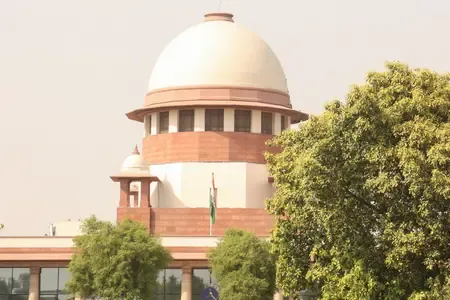
The Supreme Court has stayed the regulations due to vagueness.
Udaipur (Rajasthan), Jan 31 (NationPress) The regulations set forth by the University Grants Commission (UGC) in 2026, designed to enhance equity in higher education, are under intense academic examination. Critics highlight not just their vagueness but also significant internal contradictions that jeopardize the very groups they aim to assist.
An analysis by professors Kunal Kamal Kumar and Gyanesh Raj from IIM Udaipur points out that the regulations demonstrate a profound lack of consistency, especially concerning the Economically Weaker Sections (EWS).
Published on January 13, 2026, the guidelines clearly identify EWS as a vulnerable demographic. However, the regulations fail to convert this acknowledgment into effective safeguards. The authors note that the definition of “discrimination” in Regulation 3(1)(e) is limited to aspects like religion, race, caste, gender, birthplace, and disability, leaving out economic disadvantage, which is the core issue for EWS.
This exclusion is not merely a minor oversight but a fundamental issue. “EWS is recognized as a group, yet it is not effectively defined as a ground for actionable discrimination,” the essay argues. Consequently, individuals belonging to the EWS category would struggle to file complaints regarding discrimination tied to financial hardship, inability to pay tuition, or class-based exclusion. Such issues could only be addressed if reinterpreted under another recognized category, such as caste.
The analysis reveals a notable inconsistency in the regulations. The eligibility criteria for Other Backward Classes (OBC) already incorporate a “creamy layer” exclusion based on socio-economic status. Thus, Indian law acknowledges economic standing as pertinent in assessing vulnerability and access to remedial strategies. Yet, the UGC rules overlook this principle concerning EWS, even as it is termed a protected group, the authors contend.
This inconsistency sends confusing signals and undermines the regulations' professed equity objectives, they warn. It risks making class-related humiliation and exclusion invisible within institutional grievance procedures, ultimately leaving economically disadvantaged students without effective avenues for redress.
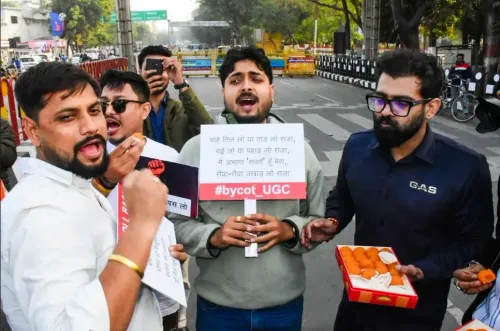
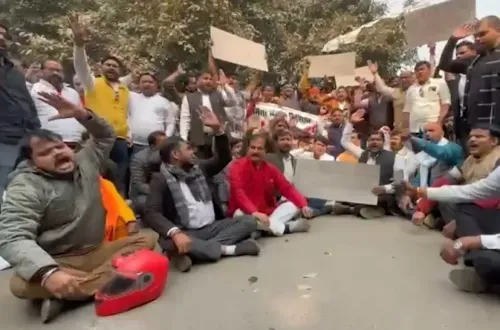
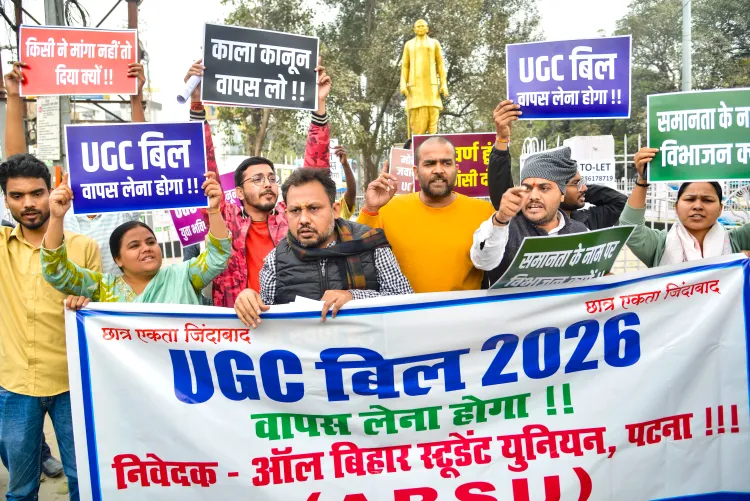
Titled From 'Constable' to Fraternity: Ambedkar’s Design Lens for the UGC Regulations, 2026, the essay also critiques the guidelines for straying from the principles of B.R. Ambedkar. While public backlash primarily focused on the exclusion of general castes from the definition of caste-based discrimination, the authors argue that issues like the EWS discrepancy indicate deeper design flaws.
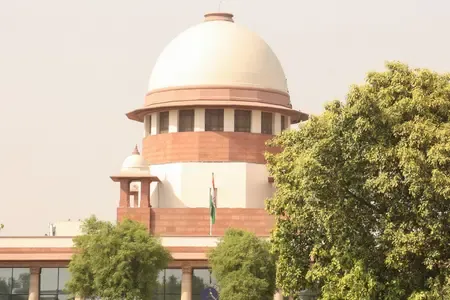
The Supreme Court of India placed a stay on the regulations on January 29, citing their vagueness. The essay cautions that unless these internal inconsistencies are rectified, future equity frameworks may persistently struggle—not due to a lack of intent but because of flawed legal reasoning.
Point of View
It's clear that the UGC's 2026 regulations must be scrutinized for their effectiveness. While the intent to promote equity is commendable, the glaring inconsistencies highlighted by academic experts must be addressed to ensure that all vulnerable groups, including the Economically Weaker Sections, receive the protections they deserve.
NationPress
30 Sept 2026
Frequently Asked Questions
What are the UGC 2026 regulations?
The UGC 2026 regulations are guidelines set by the University Grants Commission aimed at promoting equity in higher education.
Who are the Economically Weaker Sections (EWS)?
The Economically Weaker Sections refer to individuals or groups who are economically disadvantaged and may require additional support to access educational opportunities.
What is the main criticism of the UGC regulations?
The main criticism is that the UGC regulations contain significant internal inconsistencies that may exclude the very groups they are intended to protect, particularly the EWS.
Why is the definition of discrimination an issue?
The definition of discrimination under the regulations excludes economic disadvantage, which is a critical aspect for EWS, limiting their ability to file complaints related to financial discrimination.
What are the implications of the Supreme Court's stay on the regulations?
The Supreme Court's stay highlights concerns about the vagueness of the regulations, suggesting that without addressing internal contradictions, future equity frameworks may fail.