UK sanctions 18 firms over Russia crypto evasion; Moscow calls move 'pointless'
Synopsis
London has sanctioned 18 firms tied to Russia's crypto evasion infrastructure — including the A7 network, which reportedly moved $90 billion last year. Moscow's response was defiant and pointed the finger back at Westminster. The exchange underlines how the financial war over Ukraine has shifted from banks to blockchain.
Key Takeaways
The UK sanctioned 18 companies on 26 May 2025 , targeting cryptocurrency exchanges and the A7 network used to evade Western restrictions.
The A7 network reportedly moved more than $90 billion last year — roughly half of Russia's annual military expenditure, according to the UK government.
Foreign Secretary Yvette Cooper said the UK is 'adapting and strengthening' its approach to target evolving Russian evasion tactics.
The Russian Embassy in London called the sanctions 'pointless' and warned the consequences would fall on British citizens and businesses.
Russia accused the UK of hypocrisy, alleging cryptocurrency donations flow to British politicians while London targets others.
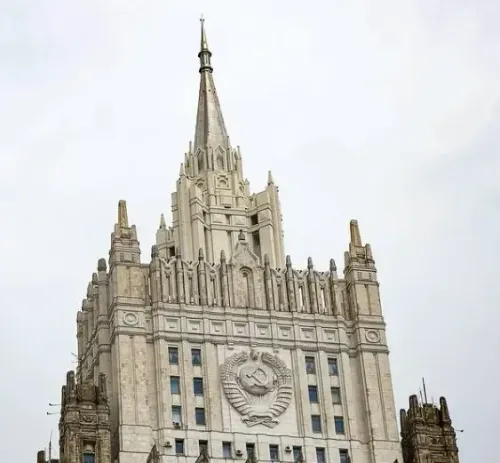
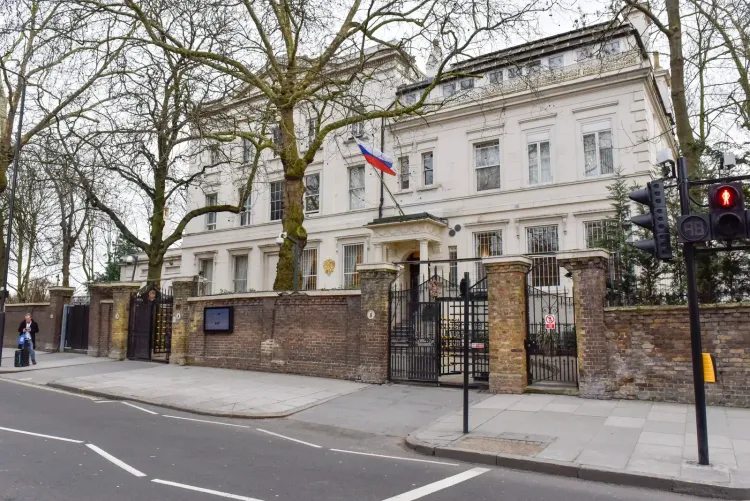
The Russian Embassy in London on Tuesday, 26 May dismissed the United Kingdom's latest round of sanctions as 'pointless,' hours after London expanded restrictions targeting 18 companies linked to Russia's illicit financial infrastructure, including cryptocurrency exchanges and the so-called A7 network. The measures, which came into force immediately, are aimed at cutting off funding channels sustaining Russia's war against Ukraine.
What the New Sanctions Target
According to the UK government, the fresh restrictions focus on cryptocurrency exchanges and the A7 network — described as a Kremlin-backed system designed to bypass Western sanctions, finance military procurement, and process revenue from oil sales. The network reportedly claimed to have moved more than $90 billion last year, a figure roughly equivalent to half of Russia's annual military expenditure, according to the UK government's press release.
What Foreign Secretary Cooper Said
Foreign Secretary Yvette Cooper said, 'If the Kremlin thinks it can evade our sanctions by hiding behind crypto networks and shadow financial systems, it is gravely mistaken. The UK is adapting and strengthening our approach to target the evolving tactics Russia is using to evade restrictions. We are going after the infrastructure that underpins its war economy at the same time as Ukraine is increasing the pressure on Russia on the battlefield.'
Moscow's Rebuttal
The Russian Embassy in London rejected the rationale, stating: 'London has once again announced the expansion of illegal restrictions against Russia — this time under the trumped-up pretext of combating certain cryptocurrency networks. The British authorities stubbornly refuse to accept the obvious: anti-Russian sanctions are pointless.' The Embassy added that Russia 'has long and successfully adapted to external pressure and will not change its course based on London's whims,' warning that the consequences of mounting restrictions would be felt 'first and foremost, by the citizens, businesses, and reputation of the United Kingdom itself.'
In a pointed counter-accusation, the Embassy said: 'It's noteworthy that the British authorities accuse others of using opaque financial mechanisms, while ignoring the generous cryptocurrency donations that end up in the pockets of the local political class. Perhaps the fight against shadow schemes should begin with Westminster, not Bishkek or Tbilisi.'
Broader Context
The new designations are the latest in a sustained Western effort to close financial loopholes that Russia has exploited since sweeping sanctions were imposed following its full-scale invasion of Ukraine. Cryptocurrency networks have emerged as a key front in that effort, with regulators across the US, EU, and UK tracking blockchain flows linked to Russian state and military entities. This is not the first time London has specifically targeted crypto infrastructure — earlier rounds of sanctions also flagged digital asset channels as vectors for sanctions evasion. The UK government's move signals that shadow financial systems, not just conventional banking, are now firmly in the crosshairs of Western enforcement.
How effectively these measures constrain Russia's war financing will likely depend on whether allied jurisdictions coordinate enforcement, particularly given the cross-border nature of cryptocurrency transactions.
Point of View
And London is right to target it. But unilateral UK sanctions on crypto infrastructure have limited bite without coordinated enforcement from the US and EU; Russia's blockchain workarounds are inherently borderless. Moscow's counter-accusation about Westminster cryptocurrency donations, however inflammatory, is a deliberate distraction — but one that British officials will need to address credibly if the sanctions regime is to retain moral authority. The real test is whether these designations translate into actual asset freezes and exchange delistings, or remain largely symbolic pressure.
NationPress
13 Oct 2026
Frequently Asked Questions
What did the UK sanction on 26 May 2025?
The UK sanctioned 18 companies linked to Russia's illicit financial infrastructure, including cryptocurrency exchanges and the A7 network — a system the UK government describes as Kremlin-backed and designed to bypass Western sanctions and fund Russia's military operations in Ukraine.
What is the A7 network?
The A7 network is described by the UK government as a Kremlin-backed financial system used to circumvent Western sanctions, finance military procurement, and process oil sale revenues. It reportedly claimed to have moved more than $90 billion last year, equivalent to roughly half of Russia's annual military expenditure.
Why did Russia call the UK sanctions 'pointless'?
The Russian Embassy in London stated that Russia has 'long and successfully adapted to external pressure' and will not alter its course. It argued the sanctions would hurt British citizens and businesses more than Russia, and accused the UK of hypocrisy over cryptocurrency use domestically.
What did UK Foreign Secretary Yvette Cooper say about the sanctions?
Foreign Secretary Yvette Cooper said the UK is 'adapting and strengthening' its approach to target Russia's evolving evasion tactics, warning the Kremlin that attempting to hide behind crypto networks and shadow financial systems would not succeed.
When did the new UK sanctions come into force?
The UK sanctions against the 18 companies, cryptocurrency exchanges, and the A7 network came into force immediately upon announcement on Tuesday, 26 May 2025.