UN experts raise alarm over forced evictions along Kathmandu's riverbeds
Synopsis
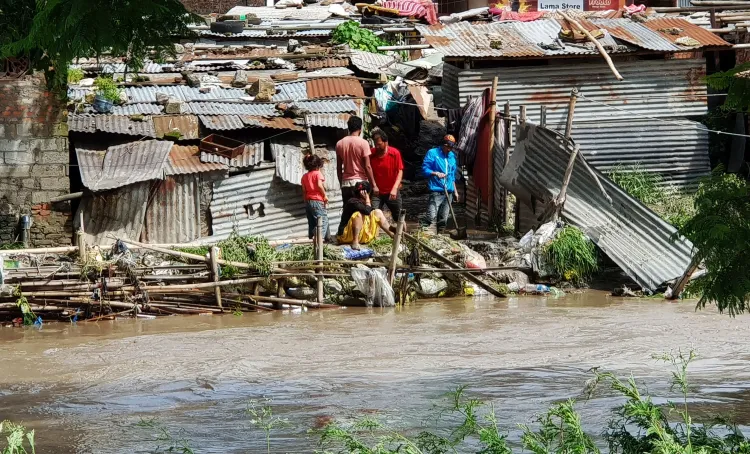
UN human rights experts have flagged Nepal's sweeping riverbed eviction drive in Kathmandu — where thousands were displaced with as little as 24 hours' notice — as a potential violation of international law. The alarm deepens after two residents were found dead during the demolitions, even as Prime Minister Balendra Shah insists no one will be left homeless.
Key Takeaways
UN human rights experts appointed by the UNHRC issued a statement on 11 May 2025 expressing grave concern over forced evictions in Kathmandu .
Nepal's government began demolishing riverbed settlements on 25 April , claiming many residents falsely posed as landless individuals.
Residents in Thapathali , Manohara , and Sinamangal were given only a 24-hour notice before demolition.
Two residents were found dead during the demolition drive, according to UN experts.
Human Rights Watch , Amnesty International , and the International Commission of Jurists jointly wrote to Prime Minister Balendra Shah urging protection of human rights.
Prime Minister Shah stated on Facebook that no one would be rendered homeless and that constitutional housing rights would be ensured.
United Nations human rights experts on Monday, 11 May expressed grave concern over the forced eviction and displacement of several thousand residents from informal settlements along riverside corridors in Kathmandu, after the Nepali government launched a demolition drive targeting riverbed settlements beginning 25 April. The statement was issued through the Office of the United Nations High Commissioner for Human Rights (OHCHR) on behalf of experts appointed by the UN Human Rights Council (UNHRC).
The Demolition Drive
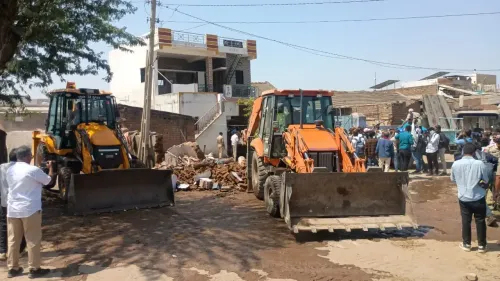
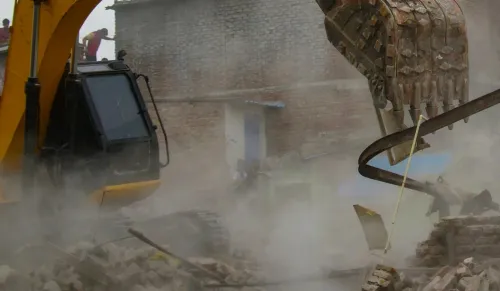
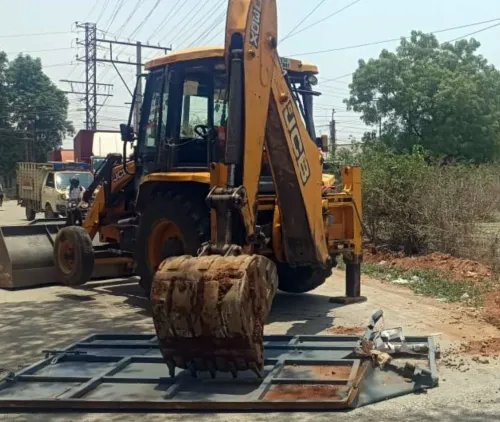
The Nepali government began bulldozing informal structures along riverside corridors starting 25 April, citing claims that many residents were falsely posing as landless individuals to occupy riverbed land. The campaign drew both praise and sharp criticism from different sections of Nepali society. Following the evictions, several affected families were relocated to temporary housing centres across the Kathmandu Valley.
Demolitions have been carried out in multiple areas including Thapathali, Manohara, Sinamangal, Balkhu, Bansighat, Balaju, Sankhamul, the Anamnagar area alongside the Dhobikhola corridor, and the Kapan area of Kathmandu district.
What the UN Experts Said
In their OHCHR statement, the UN experts said they were
Point of View
Migrants, and the urban poor who have nowhere else to go. A 24-hour notice period is not consultation; it is a fait accompli. The deaths of two residents during the demolitions are not a footnote — they demand accountability. Prime Minister Shah's Facebook assurances are politically necessary but institutionally insufficient without a credible, time-bound resettlement plan backed by law. Nepal's obligations under the ICESCR are not optional, and the government's parliamentary majority, as HRW and Amnesty have noted, is an opportunity to legislate lasting protections rather than manage optics.
NationPress
25 Sept 2026
Frequently Asked Questions
Why is the UN concerned about Nepal's Kathmandu evictions?
UN human rights experts expressed concern because thousands of residents, many of them internally displaced and vulnerable, were evicted from Kathmandu's riverbed settlements with as little as 24 hours' notice — far below international standards for meaningful consultation. The experts warned the evictions may violate Nepal's obligations under international human rights law and its own constitutional protections.
When did Nepal's riverbed demolition drive begin?
The Nepali government began bulldozing informal settlements along riverside corridors in Kathmandu on 25 April, claiming many residents were falsely posing as landless individuals to occupy riverbed land.
Which areas of Kathmandu were affected by the evictions?
Demolitions were carried out in Thapathali, Manohara, Sinamangal, Balkhu, Bansighat, Balaju, Sankhamul, the Anamnagar area along the Dhobikhola corridor, and the Kapan area of Kathmandu district.
What did Prime Minister Balendra Shah say about the evictions?
Prime Minister Shah stated in a Facebook post that no one would be rendered homeless and that the constitutional right to housing would be ensured. He said the government's actions were aimed at finding a sustainable housing solution, not at displacing citizens.
Which international organisations have raised concerns about the Nepal evictions?
Human Rights Watch, Amnesty International, and the International Commission of Jurists jointly wrote to Prime Minister Balendra Shah urging the government to use its parliamentary majority to strengthen human rights protections. UN experts appointed by the UNHRC also issued a formal statement through the OHCHR.