Is the Military Boundary Between the Two Koreas Under UN Command's Authority?
Synopsis
The United Nations Command (UNC) has declared its authority over the Military Demarcation Line (MDL) separating North and South Korea, countering South Korea's military revision of border rules. This statement highlights the UNC's commitment to maintaining stability in the DMZ amidst rising tensions.
Key Takeaways
UNC asserts authority over MDL .
South Korea revises border rules to reduce clashes.
Military dialogue with North Korea should be under UNC auspices.
Criticism arises over potential favoring of North Korea.
UNC's role is vital for stability in the DMZ.
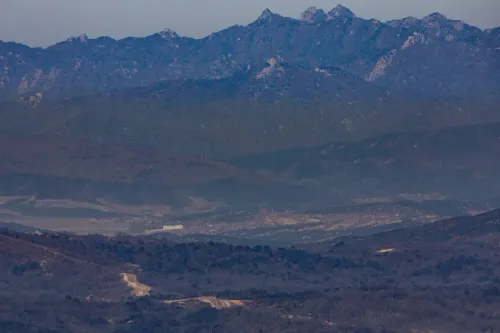
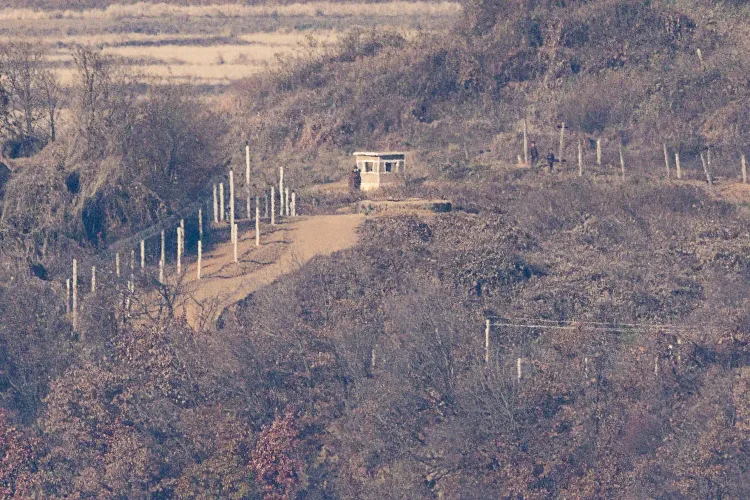
Seoul, Dec 28 (NationPress) The American-led United Nations Command (UNC) has asserted that the Military Demarcation Line (MDL), which delineates the boundary between the two Koreas, remains under its jurisdiction. This statement appears to counter an internal adjustment made by South Korea's military regarding land border regulations aimed at minimizing accidental confrontations with North Korea.
In a declaration to Yonhap News Agency, the UNC stated, "The United Nations Command reaffirms its commitment to upholding the Armistice Agreement, including the MDL, and to endorsing initiatives that avert escalation and foster stability within the Demilitarised Zone (DMZ)."
This announcement followed inquiries about the UNC's evaluation of the South Korean military's proposed amendments to border regulations, particularly after reports indicated that the Korean military had adjusted the MDL markers to alleviate discrepancies between both nations.
According to the UNC, "The Military Demarcation Line was established and illustrated in Map Volume I of the Korean Armistice Agreement on July 27, 1953, following extensive armistice discussions."
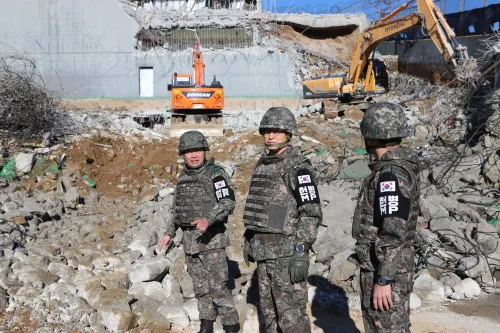
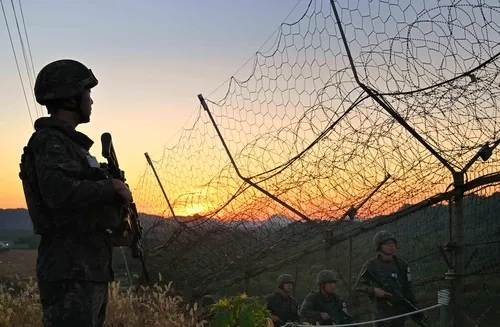
Last week, the Joint Chiefs of Staff of South Korea instructed troops to prioritize markers indicating the MDL when making operational decisions, while also applying the South Korean military map alongside a line connecting MDL markers defined by the UNC in instances where they are challenging to identify.
Critics argue that this move favors North Korean forces by allowing military personnel to refer to a line positioned further south in determining whether a border breach has taken place.
Regarding Seoul's recent proposal for military discussions with Pyongyang, the UNC emphasized that dialogues concerning the MDL should occur "under the auspices of the command," as specified in the armistice agreement.
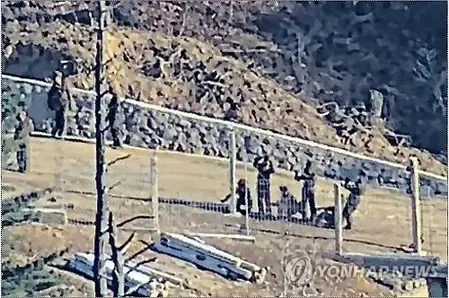
South Korea suggested conducting military talks with North Korea last month to clarify the military demarcation line, particularly as the number of North Korean personnel crossing the MDL while operating near the border has seen a significant rise in recent months.
The UNC's statement followed its rare objection earlier this month to a bill introduced by ruling party legislators that aims to grant the South Korean government control over non-military access to the DMZ.
"Since 1953, the UNC has effectively overseen the Demilitarised Zone (DMZ), a role that has been vital in sustaining stability, particularly during times of heightened inter-Korean tensions," the UNC remarked in its statement.
The UNC also highlighted Article 1 of the armistice agreement, which delineates the responsibilities of the UNC chief, who also serves as the commander of the U.S. Forces Korea, and the authority that permits control over access to the UNC Military Armistice Commission.
Point of View
It's crucial to recognize the implications of the UNC's reaffirmation of its authority over the Military Demarcation Line. This assertion not only underscores the ongoing tension on the Korean Peninsula but also highlights the importance of maintaining a neutral stance in fostering dialogue and stability between the two Koreas.
NationPress
21 Sept 2026
Frequently Asked Questions
What is the Military Demarcation Line?
The Military Demarcation Line (MDL) is the boundary established between North and South Korea, outlined in the Korean Armistice Agreement of 1953.
What role does the United Nations Command play regarding the MDL?
The United Nations Command oversees the MDL and ensures the adherence to the Armistice Agreement, promoting stability in the region.
Why has South Korea revised its border rules?
South Korea is revising its border rules to prevent accidental clashes with North Korean troops, amidst increasing crossings near the MDL.
What concerns have been raised about South Korea's military adjustments?
Critics argue that the adjustments may favor North Korean forces by allowing the use of a line drawn further south for determining border crossings.
How has the UNC responded to recent proposals for military talks?
The UNC has emphasized that any military dialogue regarding the MDL should occur under its guidance, as specified in the armistice agreement.