UN Calls for Immediate Ceasefire: India's Role in Iran-Israel Conflict
Synopsis
As the Iran-Israel conflict escalates, the UN warns of dire humanitarian and global impacts, urging nations, especially India, to push for a ceasefire and diplomatic dialogue. Discover the unfolding crisis and the urgent call for international intervention.
Key Takeaways
UN warns of escalating Iran-Israel conflict.
Call for immediate ceasefire from all parties involved.
India urged to play a vital role in diplomatic efforts.
At least 160 girls reported killed in a school strike.
International humanitarian law mandates civilian protection.
New Delhi, March 14 (NationPress) The United Nations Human Rights Office has issued a grave warning regarding the escalating conflict between Iran and Israel, emphasizing that it poses serious humanitarian, economic, and global repercussions. The UN is urging all involved parties to pursue an immediate ceasefire, along with heightened diplomatic efforts from influential nations, including India, to help mitigate the crisis.
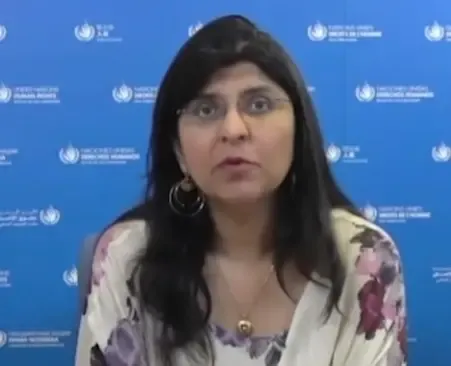
In a statement to IANS, UN Human Rights spokesperson Ravina Shamdasani indicated that the organization had foreseen the potential for conflict months prior to the outbreak of hostilities.
“We have been issuing warnings for several months. Notably, just a week before the conflict erupted, our monitoring indicated a heightened risk of hostilities,” she explained.
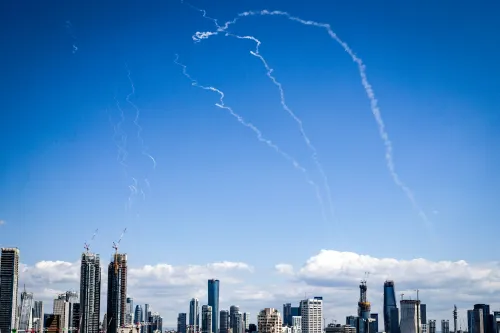
As reported by the UN Human Rights Office, the conflict has widened beyond initial skirmishes and now involves multiple actors throughout the region.
Shamdasani pointed out that the escalation was sparked by attacks involving Israel, Iran, and the United States, leading to retaliatory strikes and broader hostilities impacting neighboring countries.
“This is a developing catastrophe unfolding before us, and it could have been entirely preventable,” she remarked.
The UN is closely observing developments in various countries, including Iran, Lebanon, and Israel, while also monitoring global repercussions such as rising fuel prices, disruptions in humanitarian aid, and economic challenges faced by migrant workers in Gulf states.
Shamdasani emphasized that nations with considerable influence, particularly India, can play a crucial role in facilitating an end to the conflict.
“India and other key nations should reaffirm their commitment to the UN Charter and work towards bringing this conflict to a halt,” she stated.
She urged world leaders to advocate for dialogue, negotiations, and adherence to international law to avert the crisis from escalating into a more extensive regional war.
The UN has expressed profound concern over reports indicating a strike on a girls' school in Minab, resulting in numerous student casualties. “This is absolutely horrific,” Shamdasani stated.
Reports suggest that over 100 students, approximately 160 girls, lost their lives during school hours, raising serious alarms about potential violations of international humanitarian law.
“This could represent a grave violation of international law. We call for an immediate investigation and full accountability,” she asserted, highlighting that the families of the victims deserve clarity regarding the events.
Shamdasani reiterated that international humanitarian law mandates the protection of civilians and essential infrastructure during armed conflicts.
“Wars have laws. Parties involved in a conflict must take every possible measure to ensure the safety of civilians and civilian structures,” she emphasized.
She cautioned that attacks targeting schools, hospitals, desalination facilities, and other civilian sites could constitute war crimes if conducted intentionally.
The UN's message to the governments engaged in the conflict is unequivocal, she stated.
“A ceasefire is imperative. All parties should work towards this objective. The ongoing cycle of violence is harming civilians and cannot fulfill long-term security aims.”
The UN Human Rights Office asserts that sustained diplomatic initiatives and international pressure are crucial to achieve a ceasefire and prevent further civilian casualties as the conflict intensifies across the region.
Point of View
It's essential to highlight the urgent need for diplomacy in the Iran-Israel conflict. The UN's call for a ceasefire is a pivotal moment, especially for influential countries like India, which can play a significant role in promoting peace and stability in the region.
NationPress
17 Sept 2026
Frequently Asked Questions
What is the current status of the Iran-Israel conflict?
The conflict is escalating, with significant humanitarian and economic consequences, prompting the UN to call for an immediate ceasefire.
How can India contribute to resolving the conflict?
India, along with other influential nations, can advocate for diplomatic efforts and adherence to international law to help de-escalate the crisis.
What violations of international law have been reported?
Reports indicate potential violations, including a strike on a girls' school in Minab, resulting in numerous casualties.
What is the UN's stance on civilian protection during conflicts?
The UN emphasizes that international humanitarian law mandates the protection of civilians and infrastructure during armed conflicts.
What actions are being called for by the UN?
The UN is urging all parties to engage in immediate ceasefire negotiations and to uphold international humanitarian standards.