UN envoy warns Houthi strikes on Mocha risk reigniting Yemen war
Synopsis
The fragile calm that has held over Yemen since 2022 is fracturing. Houthi drones and missiles hit Mocha Port, killing eight and wounding 32, prompting the UN's top Yemen envoy to warn this is the worst military escalation since the truce — and that full-scale war could return if restraint fails now.
Key Takeaways
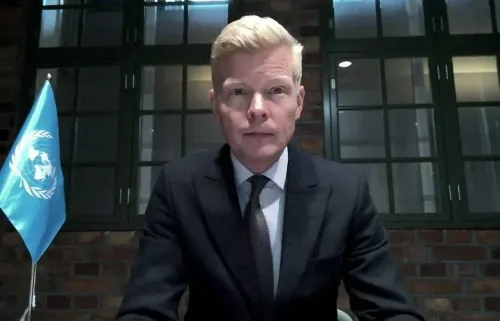
UN Special Envoy Hans Grundberg warned on Monday that Houthi attacks on Mocha represent the most serious military escalation since the April 2022 truce.
At least 8 people were killed — 4 civilians and 4 government military personnel — and around 32 others were wounded in Sunday's strikes.
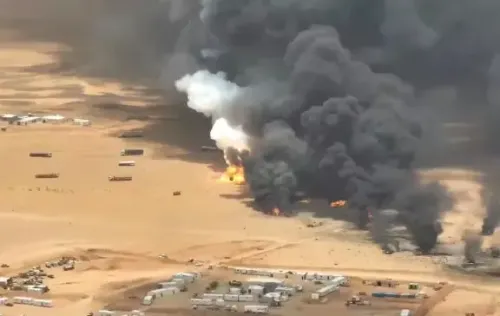
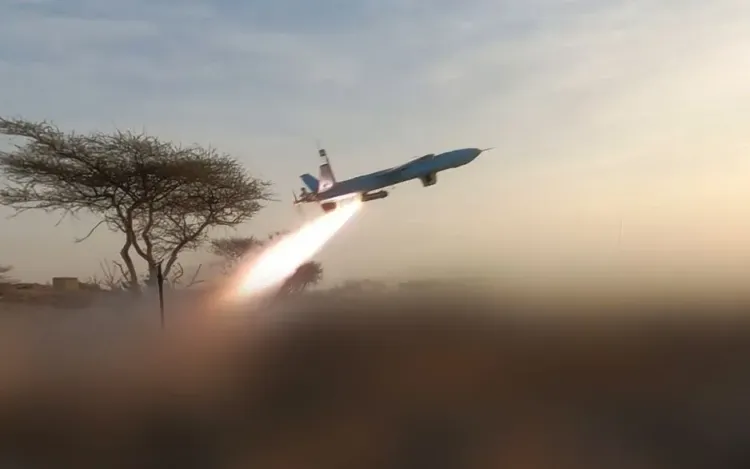
About 25 drones struck economic facilities, employee housing, and a customs hangar at Mocha Port , according to port director Abdulmalik al-Sharabi .
Yemen's Transport Ministry reported 'severe damage' to port infrastructure and raised emergency preparedness at all government-held entry points.
The UN-brokered truce formally expired in October 2022 ; a de facto ceasefire had largely held until this escalation.
Grundberg has called on all parties to exercise 'maximum restraint' and engage in urgent de-escalation talks.
UN Special Envoy for Yemen Hans Grundberg on Monday issued a stark warning that recent Houthi attacks on the government-held port city of Mocha represent the gravest military escalation since a UN-brokered truce took effect in April 2022, and risk pushing Yemen back into full-scale conflict. The envoy's statement came after a wave of missile and drone strikes on Mocha and other western coastal areas left at least eight people dead and around 32 wounded.
The Attack on Mocha
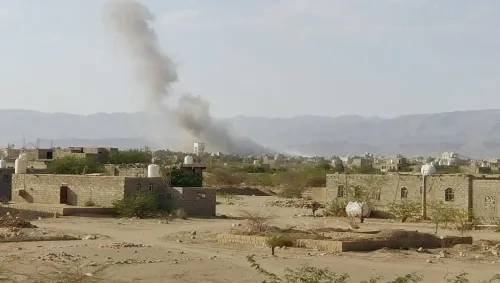
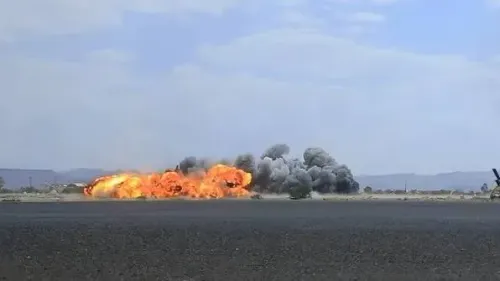
On Sunday, the Houthi group launched a concentrated barrage of ballistic missiles and drones at Mocha Port and surrounding areas in southwestern Taiz province. According to a local medical source who spoke on condition of anonymity, four civilians and four government military personnel were killed, with approximately 32 others injured in the strikes.
Abdulmalik al-Sharabi, the port's director, said in a press statement that the Houthis launched dozens of drones at the facility, with about 25 striking economic facilities, employee housing, and a customs hangar. Yemen's Transport Ministry described the damage to the port's infrastructure as 'severe' and confirmed it had raised preparedness levels and reinforced emergency measures at ports, airports, and land crossings in government-held areas.
Grundberg's Warning
Grundberg said the attacks came amid what he described as 'the most significant intensification of military activity' since the April 2022 truce, sharply raising the risk of renewed large-scale conflict. He called on all parties to exercise 'maximum restraint' and to engage with his office on concrete de-escalation measures to preserve the relative calm that had held since the ceasefire.
The envoy noted that the strikes caused both civilian and military casualties and damaged critical infrastructure, including facilities at Mocha Port — a key economic lifeline for the region.
Yemen's Fragile Peace Under Threat
Yemen has been engulfed in conflict since late 2014, when Houthi forces seized large swathes of northern Yemen, including the capital Sanaa. A Saudi-led coalition intervened in 2015 in support of the internationally recognised Yemeni government. The UN-brokered truce that came into force in April 2022 formally expired in October 2022 without a renewal, but a fragile de facto ceasefire had largely held — significantly reducing large-scale hostilities — until this latest escalation.
Notably, this is the most serious breach of that informal ceasefire arrangement in years, and analysts warn that without immediate diplomatic intervention, the gains of the past three years could unravel rapidly.
What Happens Next
The UN envoy's office is pressing both sides for an urgent return to de-escalation talks. Yemen's internationally recognised government has not yet formally responded to the latest attacks, but the Transport Ministry's emergency measures signal heightened concern about further strikes on critical infrastructure. The international community will be watching closely whether the Houthis' escalation is a tactical move or the beginning of a broader military offensive.
Point of View
'most significant intensification since the truce,' is unusually direct for diplomatic communiqués, signalling genuine alarm rather than routine condemnation. What mainstream coverage underplays is the economic dimension: Mocha Port is a critical import gateway for a country where food insecurity is already catastrophic. Targeting it is as much about economic strangulation as military signalling. Without a credible international response, the Houthis have little incentive to pull back.
NationPress
25 Sept 2026
Frequently Asked Questions
What happened in the Houthi attack on Mocha?
The Houthi group launched a wave of ballistic missiles and drones at Mocha Port and surrounding areas in southwestern Taiz province on Sunday, killing at least 8 people and wounding around 32. About 25 drones struck economic facilities, employee housing, and a customs hangar at the port, causing severe infrastructure damage.
What did UN Special Envoy Hans Grundberg say about the attacks?
Grundberg described the attacks as the most significant intensification of military activity since the UN-brokered truce took effect in April 2022. He called on all parties to exercise maximum restraint and engage with his office on concrete de-escalation measures to prevent a return to full-scale conflict.
Why is the Yemen ceasefire fragile?
The UN-brokered truce formally expired in October 2022 without renewal, leaving only an informal de facto ceasefire in place. That arrangement had significantly reduced hostilities for years but carried no binding enforcement mechanism, making it vulnerable to unilateral military action by either side.
How long has Yemen been in conflict?
Yemen has been in conflict since late 2014, when Houthi forces seized much of northern Yemen including the capital Sanaa. A Saudi-led coalition intervened in 2015 in support of the internationally recognised government, triggering one of the world's worst humanitarian crises.
What is the significance of Mocha Port?
Mocha Port is a key economic and logistical hub on Yemen's western Red Sea coast. Damage to its infrastructure threatens import flows into a country already facing severe food insecurity, making attacks on the facility particularly consequential for civilian populations.