Why Did a UP Cleric Issue a Fatwa Against New Year Celebrations?

Synopsis
A controversial fatwa by AIMJ President Maulana Mufti Shahabuddin Razvi Barelvi advising against New Year celebrations has sparked widespread political backlash. Leaders across party lines emphasize the need for unity and constitutional respect amidst the cleric's statements.
Key Takeaways
Political leaders across parties condemned the fatwa.
Emphasis on social harmony and individual freedoms is vital.
The fatwa's authority is questioned in a constitutional context.
Celebrating New Year is seen as a personal choice.
The discourse reflects the ongoing tension between faith and democracy .
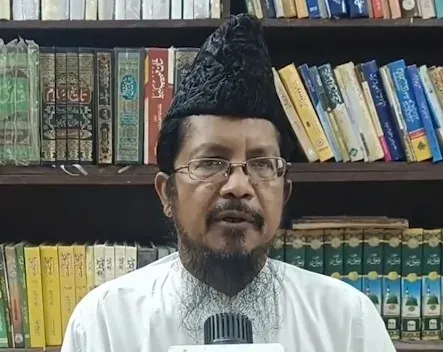
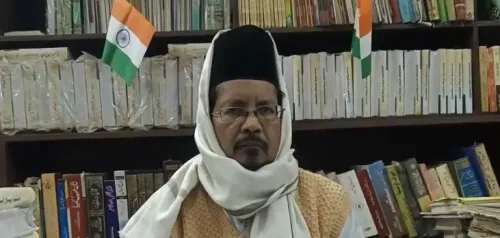
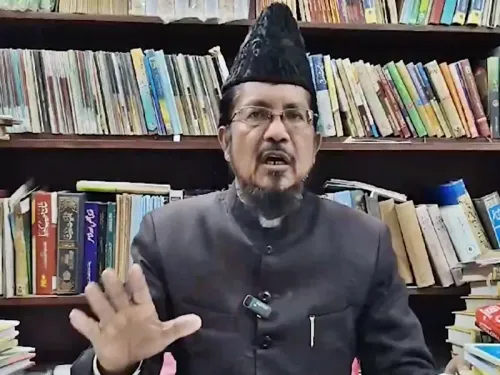
New Delhi, Dec 30 (NationPress) A wave of political reactions has emerged after a contentious fatwa was released by All India Muslim Jamaat (AIMJ) President Maulana Mufti Shahabuddin Razvi Barelvi, advising Muslims in India to refrain from participating in New Year celebrations.
Leaders from various political parties have condemned this declaration, emphasizing the importance of social harmony, constitutional values, and individual freedom.
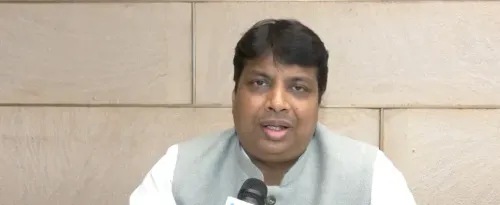
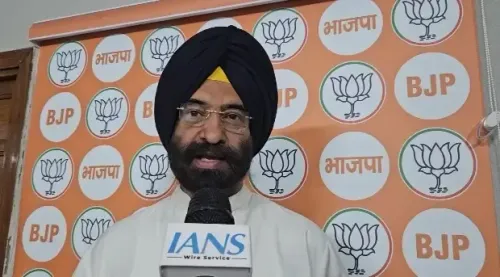
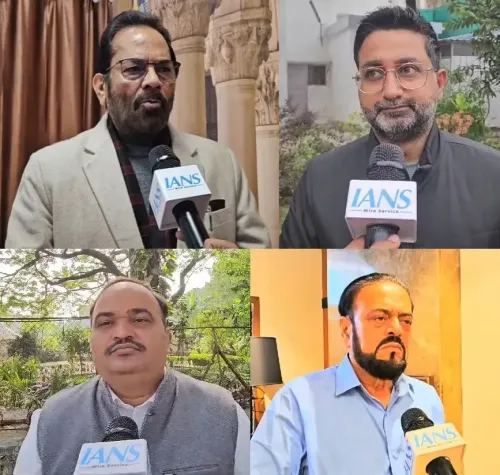
In response to the cleric's unsolicited guidance, UP minister Danish Azad Ansari stated that such remarks should be avoided. He remarked, “Many individuals enjoy celebrating the New Year, and it is inappropriate to make disparaging comments about it. We should focus on fostering a united society, spreading joy, and ensuring that all communities and religions coexist peacefully. This should be our priority, and unnecessary critiques should be left aside.”
BJP spokesperson Shehzad Poonawalla took a more critical approach, challenging the Maulana’s credibility. “First, the Maulana should understand that if he claims on television daily to have issued a fatwa, then his television appearances contradict Shariat, which he himself violates by issuing fatwas on air,” he stated.
He further added, “This audacity from the hateful Maulana stems from an ecosystem within the Congress party that asserts Shariat takes precedence over the Constitution. It is this ecosystem that emboldens such clerics to attempt to govern the nation through fatwas and Shariat.”
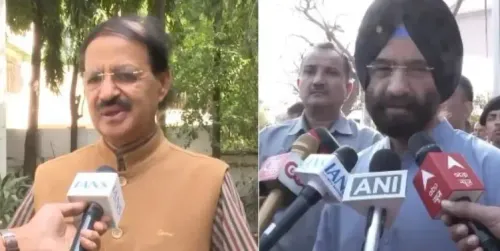
BJP Rajya Sabha MP Brijlal also dismissed the fatwa, championing the supremacy of the Constitution. “What the Maulana states may be unlawful for him, yet people in this country celebrate and enjoy New Year. His fatwas are of no consequence. India is governed by the Constitution, not Sharia, and such declarations lack authority here,” he asserted.
Echoing similar views, Ashutosh Verma, spokesperson for the Samajwadi Party, highlighted democratic principles. “India is a democratic nation, and such pronouncements are unnecessary. I believe no such fatwa is warranted in a democratic context. Anyone who earns a living and has a family should be able to celebrate the New Year with joy alongside their loved ones,” he stated.
This controversy arose after AIMJ President Maulana Mufti Shahabuddin Razvi Barelvi issued a fatwa asserting that celebrating the New Year contravenes Islamic law. Sharia, which is based on the Quran and the traditions of the Prophet, offers moral and legal guidance for religious obligations and daily life.
In his fatwa, Razvi indicated that activities such as singing and dancing are entirely haram in Islam, consequently deeming New Year celebrations as haram. He claimed such actions are criminal under Shariat and urged Muslim youth to avoid these festivities.
In an interview with IANS, Razvi stated, “Celebrating the New Year is not permissible as per Sharia. The New Year celebrations on December 31 entail many inappropriate actions like dancing, singing, shows, alcohol consumption, chaos, misbehavior, and other immoral activities. Islam prohibits all of these behaviors.”
Point of View
It is paramount to acknowledge the diverse perspectives within our nation. While religious sentiments must be respected, it is equally crucial to uphold the principles of democracy and individual freedoms. The discourse around the fatwa reflects the ongoing balancing act between faith and constitutional rights in India.
NationPress
19 Sept 2026
Frequently Asked Questions
What was the fatwa issued by Maulana Mufti Shahabuddin Razvi Barelvi?
The fatwa advised Muslims not to celebrate the New Year, claiming it violates Islamic law.
How have political leaders reacted to the fatwa?
Political leaders have criticized the fatwa, emphasizing the importance of social harmony and constitutional values.
What does the term 'haram' mean in this context?
'Haram' refers to actions that are prohibited in Islam, as stated by the cleric in the fatwa.
What are the implications of this fatwa for Indian society?
The fatwa raises questions about religious authority versus constitutional rights and individual freedoms in a diverse nation.
Is there a legal standing to the fatwa in India?
Fatwas do not have legal authority in India as the country is governed by the Constitution, not religious laws.