Will South Korea and the US Conduct Joint Aerial Exercises This Week at Osan Air Base?
Synopsis
This week, the South Korean and US air forces will engage in a pivotal joint aerial exercise at Osan Air Base, emphasizing enhanced interoperability amidst regional tensions. With increased participation and a focus on advanced tactical training, this exercise underscores the strategic partnership between these allied nations.
Key Takeaways
Joint Exercise: South Korea and the US are conducting a joint aerial exercise to enhance interoperability.
Location: The exercise is taking place at Osan Air Base in Pyeongtaek.
Aircraft Involved: KF-16, F-16, F-35A, and FA-50 fighters will be used.
Increased Participation: The number of participating forces and sorties will significantly increase this year.
Strategic Partnership: The exercise showcases the strong military cooperation between South Korea and the US.
Seoul, Feb 9 (NationPress) The air forces of South Korea and the United States are set to commence a joint aerial exercise this week aimed at improving interoperability, as announced by the South's military on Monday.
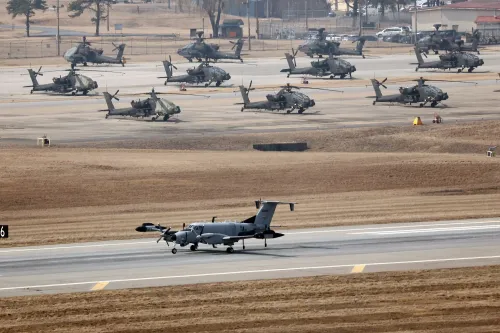
The Buddy Squadron exercise will occur at Osan Air Base in Pyeongtaek, located approximately 65 kilometers south of Seoul, from Monday through Friday, according to the Air Force.
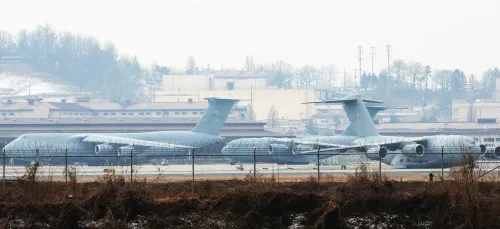
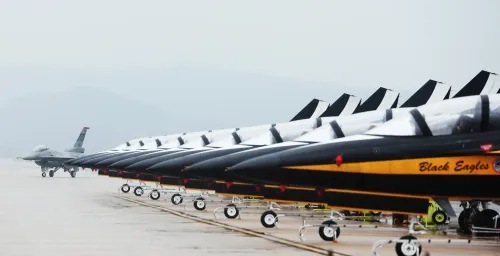
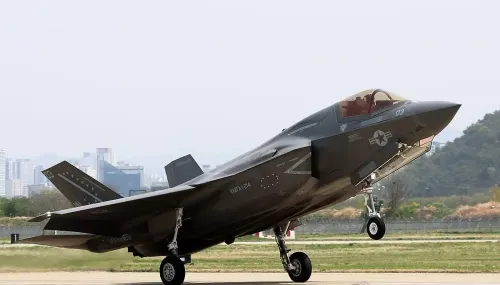
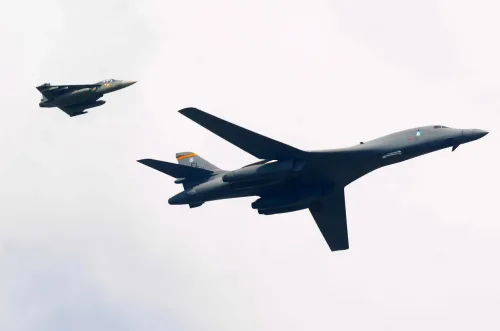
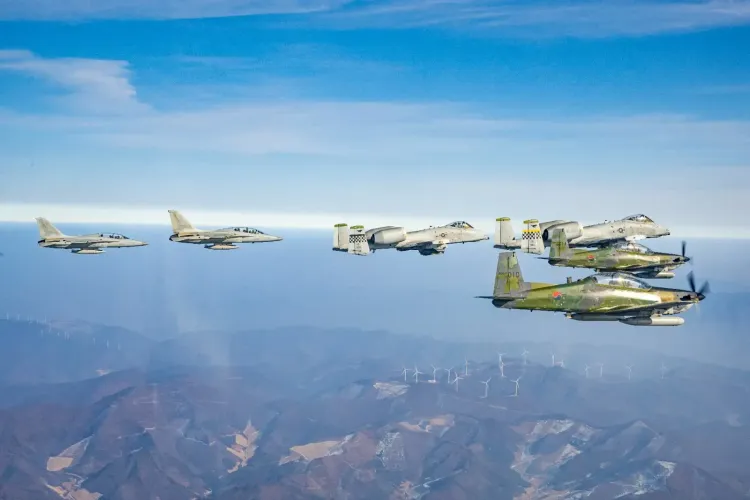
Participating aircraft will include South Korea's KF-16 jets and US F-16 fighters, along with the F-35A stealth fighter and the FA-50 light attack aircraft for collaborative operational training.
This year, the Air Force aims to more than double the number of forces involved in each session and significantly increase the number of sorties, while reducing the total yearly training sessions from eight to four.
The Buddy Squadron exercise is a battalion-level drill executed alternately by the South Korean and US air forces, focused on exchanging air-to-air tactics and conducting comprehensive tactical training with both fourth- and fifth-generation fighter jets.
When queried about whether the reduction in drills was influenced by North Korea's objections to joint exercises with the US, an Air Force representative stated that the decision was made after discussions between the allies.
"This year's training schedule was determined by South Korea and the US, considering the decommissioning of US A-10 aircraft last year and the restructuring of military assets," remarked Lt. Col. Jang Dong-ha during a standard press briefing.
Responding to concerns that the reduction indicates a diminished security commitment from Washington towards the Korean Peninsula, the official clarified that the number of participating aircraft has significantly increased compared to average years, with a substantial rise in sorties, as reported by Yonhap news agency.
The US military retired its outdated fleet of A-10 aircraft stationed in South Korea last year as part of its military modernization strategy to address evolving security threats from potential adversaries.
Point of View
I believe this joint exercise between South Korea and the US reflects a strong commitment to security cooperation in the face of regional threats. While the reduction in training sessions may raise eyebrows, the focus on increasing the effectiveness of each drill signifies a strategic approach to military readiness. The partnership between these two nations is crucial for maintaining peace and stability.
NationPress
3 Oct 2026
Frequently Asked Questions
What is the purpose of the joint aerial exercise?
The joint aerial exercise aims to enhance interoperability between the South Korean and US air forces, allowing them to conduct integrated tactical training.
Where will the exercise take place?
The exercise will take place at Osan Air Base in Pyeongtaek, South Korea.
How many training sessions will be conducted this year?
This year, the number of training sessions will be reduced from eight to four, but the number of participating forces and sorties will be significantly increased.
What aircraft will participate in the exercise?
The exercise will include South Korea's KF-16 jets, US F-16 fighters, F-35A stealth fighters, and FA-50 light attack aircraft.
Why were the training sessions reduced?
The reduction was made after consultations between South Korea and the US, considering factors such as the decommissioning of the US A-10 aircraft.