Why Did the US Government Experience a Partial Shutdown After Congress Missed the 2026 Budget Deadline?
Synopsis
As the US government enters a partial shutdown due to Congress missing the 2026 budget deadline, tensions rise over immigration enforcement and federal funding. Could this disruption lead to long-term implications for federal services and employees?
Key Takeaways
The US government is facing a partial shutdown due to budgetary issues.
Lawmakers are working towards a funding package to resolve the shutdown.
The DHS funding has become a contentious issue in negotiations.
Many federal departments are suspending operations as a result.
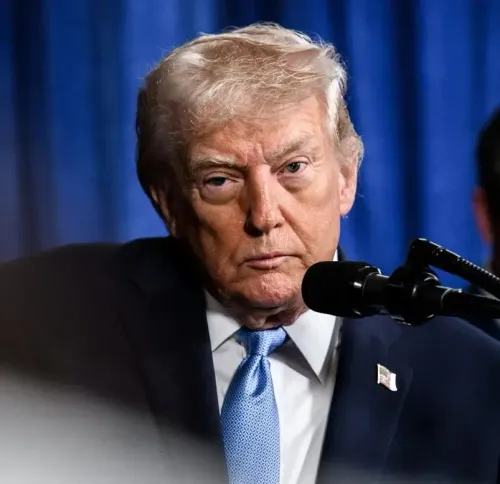
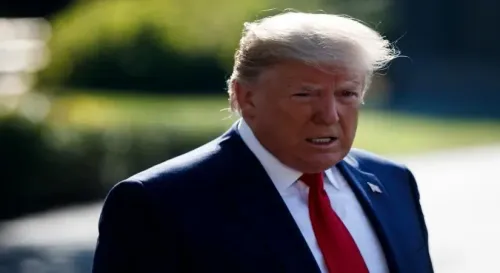
President Trump urges swift action to prevent a prolonged shutdown.
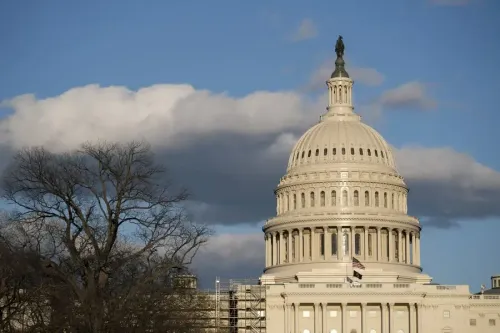
Washington, Jan 31 (NationPress) The United States government entered a phase of partial shutdown on Saturday following Congress's inability to pass the 2026 federal budget before the deadline struck at midnight, leading to a temporary suspension of federal funding.
Lawmakers suggested that this disruption may be brief, as the House is anticipated to endorse a Senate-supported funding package early next week.
The funding halt ensued after negotiations deteriorated amid outrage from Democrats concerning the fatalities of two protesters in Minneapolis, caused by federal immigration agents.
This incident reportedly stalled talks regarding funding for the Department of Homeland Security (DHS), which has been a significant point of contention in budget discussions.
With no agreement reached by the deadline, numerous non-essential government operations were halted.
Departments impacted include those managing education, health, housing, and defense, among others. Officials indicated that shutdown procedures would likely commence overnight, although congressional leaders from both parties suggested that a short disruption is more probable than an extended closure, owing to the recent actions of the Senate.
“Instead of prioritizing drug smugglers, child predators, and human traffickers, the Trump Administration is squandering essential resources targeting peaceful protesters in Chicago and Minneapolis,” stated Senate Democratic Minority Whip Dick Durbin, asserting that “this Administration continues to jeopardize the safety of Americans.”
Approximately three-quarters of federal operations are affected, and should the shutdown prolong, tens of thousands of federal employees might face unpaid leave or be compelled to work without compensation until Congress reinstates funding.
On Friday, the Senate passed a measure aimed at funding five remaining bills to support most federal agencies through September, along with a two-week stopgap for the DHS, providing negotiators additional time to settle disputes over immigration policy.
President Donald Trump voiced his support for the Senate-approved agreement, urging the House to act swiftly, reflecting his intent to avert a prolonged shutdown. This marks the second government shutdown during his second term, following last fall's unprecedented closure that disrupted federal services for over a month.
Point of View
The recent partial shutdown of the United States government underscores significant issues in congressional negotiations. It highlights the ongoing challenges in balancing budgetary needs with pressing political concerns, particularly around immigration. The situation demands careful monitoring to assess its effects on federal services and employees.
NationPress
19 Sept 2026
Frequently Asked Questions
What caused the partial shutdown of the US government?
The partial shutdown was triggered by Congress's failure to approve the 2026 federal budget by the midnight deadline.
How long is the shutdown expected to last?
Lawmakers suggest that the disruption may be short-lived, with a potential funding package expected to be approved soon.
Which federal departments are affected by the shutdown?
Departments overseeing education, health, housing, and defense are among those impacted.
What is the significance of the DHS funding in the budget talks?
Funding for the Department of Homeland Security has been a key sticking point in negotiations, particularly concerning immigration enforcement.
What are the potential consequences for federal employees?
If the shutdown continues, tens of thousands of federal employees could face unpaid leave or be required to work without pay.