US Moves to Strip Citizenship of Pakistani Sex Predator Khan
Synopsis
The US Justice Department is seeking to strip citizenship from Hassan Sherjil Khan, a Pakistan-born convicted sex predator who groomed an 11-year-old online and abused her at 15 — then lied about his crimes to obtain American citizenship in 2013. He is currently serving a 17-year prison sentence.
Key Takeaways
Hassan Sherjil Khan , a Pakistan-born physician, obtained US citizenship in May 2013 by concealing years of criminal conduct involving a child.
Khan first contacted his victim online in 2007 when she was 11 years old and sexually abused her in England in April 2012 when she was 15 .
He applied for naturalisation in August 2012 , falsely declaring he had never committed a crime — prosecutors say this was a deliberate lie.
Khan was arrested in 2015 , pleaded guilty in January 2016 , and was sentenced to 17 years in federal prison , with release projected for July 2029 .
Assistant Attorney General Brett A.
Shumate warned that the government will pursue and revoke citizenship obtained through concealment of serious crimes.
The US Justice Department has asked the court to cancel Khan's naturalisation certificate and bar him from claiming any rights tied to US nationality .
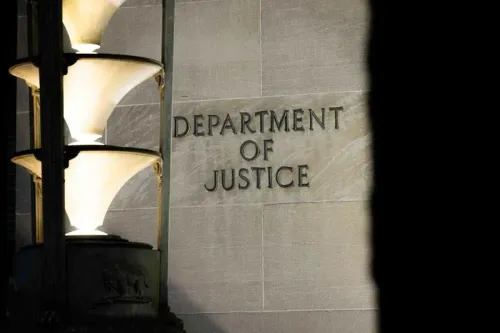
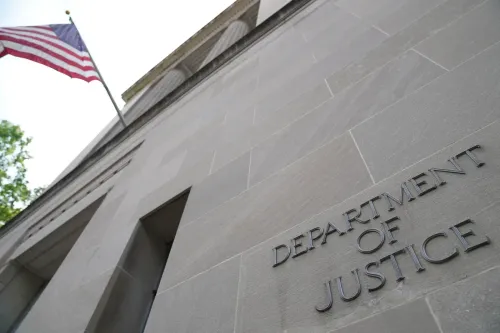
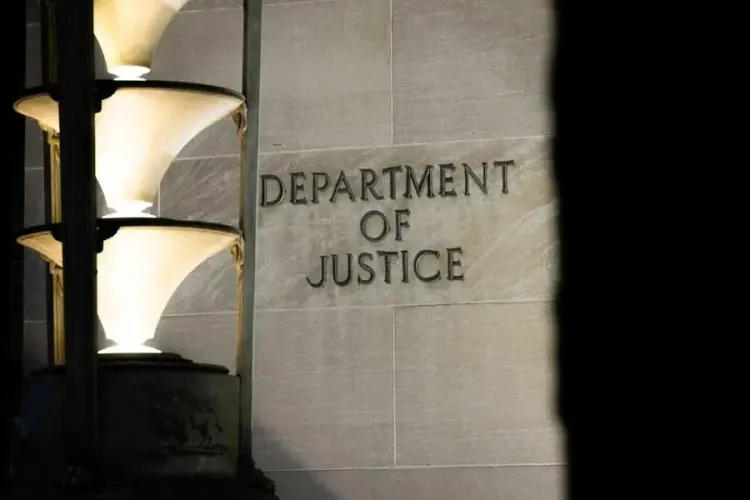
The US Justice Department has filed a civil denaturalisation complaint against Hassan Sherjil Khan, a Pakistan-born physician convicted of sexually grooming and abusing a minor, alleging he fraudulently obtained American citizenship in May 2013 by concealing years of criminal conduct and lying under oath. The case represents one of the rare federal efforts to strip citizenship from a convicted sexual predator on grounds of wilful misrepresentation during the naturalisation process.
How Khan Groomed and Abused His Victim
According to court filings, Khan first made contact with the victim online in 2007, when she was just 11 years old. Over several years, he used internet chat platforms and video calls to coerce her into sending sexually explicit images and engaging in sexual activity — a pattern prosecutors describe as systematic, premeditated exploitation.
In April 2012, Khan travelled from the United States to England, where the victim resided, and engaged in sexual acts with her when she was 15 years old and he was 24. The Justice Department says he continued to contact and exploit the victim online until at least 2013, even after she explicitly asked him to stop.
Citizenship Obtained Through Concealment and False Oath
Despite this ongoing criminal conduct, Khan submitted a naturalisation application in August 2012. In both his written application and subsequent interview, he declared he had never committed a crime for which he had not been arrested — a claim prosecutors say was demonstrably false at the time it was made.
The government's complaint argues Khan lacked the "good moral character" legally required for naturalisation, having committed crimes involving moral turpitude and later lying under oath during the citizenship process. Prosecutors further allege he secured citizenship through "wilful misrepresentation" and deliberate concealment of material facts that would have rendered him ineligible.
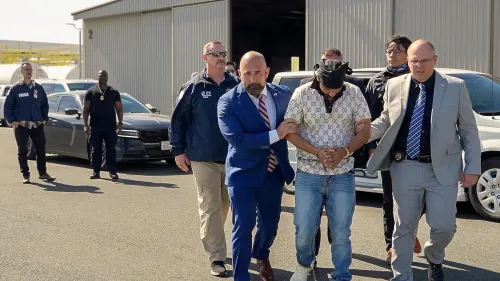
Khan was arrested in 2015 after the victim came forward and reported the abuse. In January 2016, he pleaded guilty to coercion and enticement of a minor and was sentenced to 17 years in federal prison. He remains incarcerated, with a projected release date of July 2029. At the time of his arrest, he was practising as a licensed physician, according to the Justice Department.
What the Government Said
Assistant Attorney General Brett A. Shumate issued a stark warning alongside the filing: "Naturalization and US citizenship will not protect sexual predators from the consequences of their horrific acts. If you fail to disclose serious crimes while seeking naturalization, the government will discover your lies and revoke your ill-gotten US citizenship."
The statement signals a broader enforcement posture by the current Justice Department, which has publicly prioritised denaturalisation cases involving fraud, concealment of violent crimes, and immigration misrepresentation. This case fits squarely within that mandate.
Legal Stakes and Denaturalisation Framework
Denaturalisation proceedings in the United States are exceptionally rare and are typically reserved for cases involving fraud, war crimes, or serious criminal conduct deliberately hidden during the immigration process. Under federal law, courts are obligated to revoke citizenship if it is established that it was illegally obtained or procured through misrepresentation — there is no judicial discretion once the threshold is met.
The government has formally asked the court to cancel Khan's naturalisation certificate, revoke his citizenship entirely, and bar him from asserting any rights or privileges associated with US nationality. Importantly, the allegations in the civil complaint have not yet been adjudicated by a court.
Broader Implications for Immigration Fraud Cases
This case underscores a growing federal trend of using denaturalisation as a punitive and corrective tool against individuals who exploit the immigration system. Notably, the Department of Justice has in recent years pursued denaturalisation against individuals linked to war crimes in Bosnia, human trafficking, and child exploitation — reflecting a pattern of using citizenship revocation as a long-arm accountability mechanism.
For the Indian subcontinent diaspora and immigration policy observers, the case raises pointed questions about the adequacy of background verification during naturalisation interviews, particularly when criminal conduct spans international borders and involves digital exploitation that may not trigger traditional law enforcement flags.
As the civil case proceeds through the federal court system, legal experts will be watching whether the court sets a precedent on the standard of proof required for denaturalisation in cases where the underlying criminal conviction occurred after citizenship was granted — a nuanced legal question that could shape future prosecutions.
Point of View
Obtaining citizenship while actively committing crimes across two continents. What makes this case particularly significant is its timing — the current Justice Department is clearly using denaturalisation as a deterrent signal, not just a legal remedy. For India and the broader South Asian diaspora, this is a reminder that immigration systems worldwide are tightening their accountability frameworks, and that citizenship — once considered a near-permanent status — is increasingly being treated as a revocable privilege when obtained through fraud.
NationPress
29 Sept 2026
Frequently Asked Questions
Who is Hassan Sherjil Khan and why is the US trying to revoke his citizenship?
Hassan Sherjil Khan is a Pakistan-born man who obtained US citizenship in May 2013 and was later convicted of grooming and sexually abusing a minor. The Justice Department is seeking to revoke his citizenship because he concealed his criminal conduct and gave false testimony during the naturalisation process.
What crime did Hassan Sherjil Khan commit?
Khan groomed an 11-year-old girl online starting in 2007, coercing her into sending explicit images. In April 2012, he travelled to England and sexually abused her when she was 15. He pleaded guilty in January 2016 to coercion and enticement of a minor and was sentenced to 17 years in prison.
What is denaturalisation and how does it work in the US?
Denaturalisation is the legal process of revoking a person's US citizenship. Under federal law, courts must revoke citizenship if it is proven to have been illegally obtained or secured through wilful misrepresentation — such as concealing serious crimes during the naturalisation application.
What happens to Hassan Sherjil Khan if his citizenship is revoked?
If the court rules in the government's favour, Khan will lose his naturalisation certificate, his US citizenship, and all rights associated with American nationality. He would revert to being a foreign national, which could affect his immigration status upon release from prison in July 2029.
How rare are denaturalisation cases in the United States?
Denaturalisation proceedings are exceptionally rare in the US and are typically pursued only in cases involving fraud, war crimes, or serious criminal conduct concealed during immigration. The Justice Department has pursued such cases against individuals linked to child exploitation, human trafficking, and atrocities abroad.