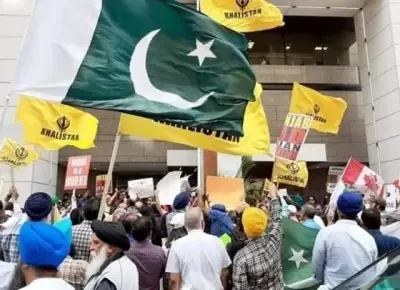
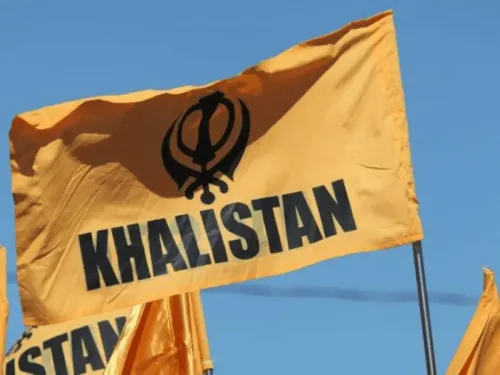
Are Khalistani Extremist Networks Targeting Disillusioned Youth Under the Guise of Community Groups?
Synopsis
Jashanpreet Singh's tragic case highlights the systemic failures in immigration policies, revealing how Khalistani extremist networks exploit vulnerable youth seeking better futures. This incident raises urgent questions about border management and the consequences of neglect in the immigration system.
Key Takeaways
Systemic neglect in immigration policies is a pressing issue.
Khalistani networks exploit vulnerable youth .
Urgent reforms are necessary for public safety .
Fringe groups disguise themselves as community organizations .
Legal pathways for migration must be expanded with dignity .
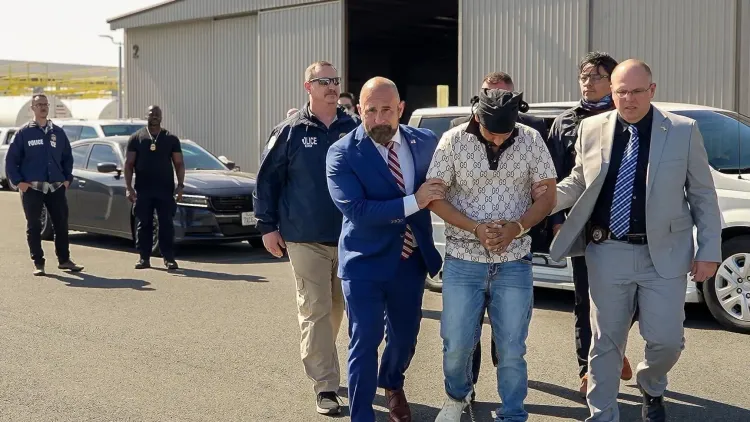
California, Oct 25 (NationPress) The recent incident involving Jashanpreet Singh, a 21-year-old of Indian descent, who was engaged in a devastating accident on California’s I-10 freeway resulting in the loss of three innocent lives, highlights how a young individual, initially aiming to forge a future abroad, became a representation of systemic neglect, criminal exploitation, and the weaponization of hope, as reported on Saturday.
According to reports, Singh illegally crossed the US-Mexico border in 2022 and was allegedly under the influence of drugs while operating a semi-truck. The outcome was tragic: three lives were lost, families were devastated, and public trust in America's ability to manage its borders effectively suffered yet another blow. This case reveals a significant systemic failure, the article from Khalsa Vox elaborated.
After entering the country illegally, Singh was released under the Department of Homeland Security’s “alternatives to detention” policy—a program aimed at reducing overcrowding but often resulting in minimal follow-up on released individuals.
This oversight enabled him to secure undocumented employment and obtain a commercial vehicle license, showcasing how disjointed coordination among immigration, law enforcement, and transportation authorities compromises public safety.
“Data from the US Border Patrol indicates a tenfold rise in illegal crossings by Indians from Canada to the US over the past two years, reflecting both systemic dysfunction and targeted recruitment by covert networks that promise bright futures abroad. For many, these journeys culminate not in success but rather in peril, detention, or death,” the report detailed.
“Amidst this broader trend lies another concerning issue: fringe separatist factions exploiting these migration paths. Khalistani groups, operating in the US, Canada, and the UK, have long taken advantage of immigrant vulnerability to grow their ranks. Investigations have revealed that these groups leverage organized crime—such as narco-terrorism, hawala money transfers, and fraudulent asylum claims—to infiltrate and finance their nefarious activities,” it continued.
The report indicates that Khalistani extremist networks often disguise themselves as community organizations, luring disillusioned youth with assurances of safety, employment, or camaraderie. However, they ensnare these young individuals in a web of deception, transforming personal aspirations into instruments of political manipulation. Many of those who initially sought a means of livelihood find themselves ensnared in propaganda networks that glorify rebellion while thriving on fear, illegality, and alienation.
“This tragedy should be regarded not as a condemnation of migrants but as a clarion call for Western governments. The immigration systems of both America and Canada require not only stricter regulations but a humanitarian overhaul—where illegal entry is curtailed through vigilance, and dignified pathways for legal migration are expanded,” the report concluded.
Point of View
I emphasize that the tragic events surrounding Jashanpreet Singh should not be viewed as a condemnation of migrants. Instead, they reflect a crucial need for reform in our immigration systems. We must prioritize responsible management and human-centric policies that protect individuals while ensuring public safety.
NationPress
12 Oct 2026
Frequently Asked Questions
What happened to Jashanpreet Singh?
Jashanpreet Singh was involved in a tragic accident on California's I-10 freeway that resulted in the deaths of three individuals, highlighting the systemic failures in immigration policies.
How did Singh enter the United States?
Singh illegally crossed the US-Mexico border in 2022 and was released under the Department of Homeland Security’s alternatives to detention policy.
What are Khalistani extremist networks?
Khalistani extremist networks are fringe separatist factions that exploit vulnerable immigrants, often disguising themselves as community groups to recruit disillusioned youth.
What should be done about immigration policies?
There is an urgent need for a humanitarian overhaul of immigration policies in the US and Canada to ensure safety and dignity for migrants while curbing illegal entry.
Why is this story important?
This story sheds light on the critical issues of systemic neglect and exploitation within immigration systems, calling for necessary reforms.