US DOJ moves to revoke citizenship of 17 immigrants, including Indian-origin businessman
Synopsis
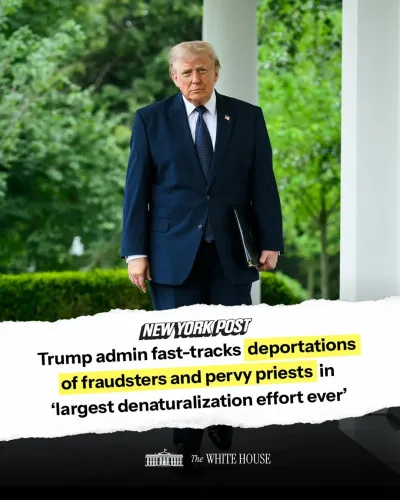
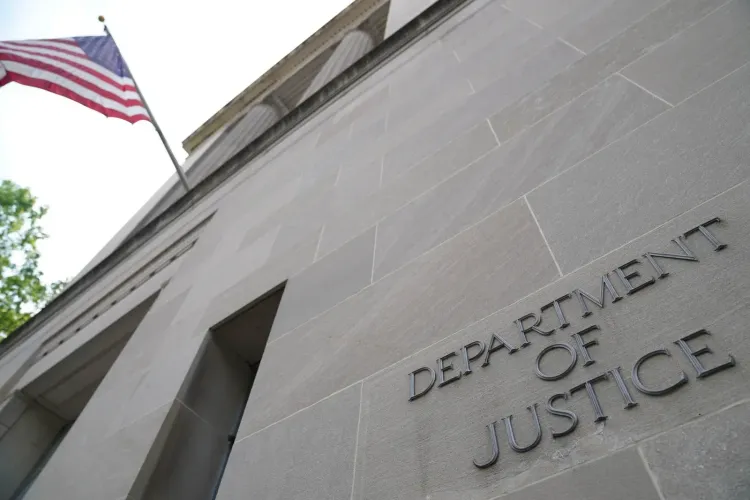
The US Justice Department is moving to strip citizenship from 17 naturalised Americans — including an Indian-origin New Jersey businessman convicted of H-1B visa fraud — in one of the broader denaturalisation sweeps in recent years. The cases, filed across federal courts, signal the Trump administration's intent to treat naturalisation fraud as a prosecutorial priority, not an administrative footnote.
Key Takeaways
The US Department of Justice has filed denaturalisation proceedings against 17 naturalised Americans on 8 June .
Neeraj Sharma , 50, former CEO of Magnavision LLC in New Jersey , is among those named for filing 11 fraudulent H-1B visa petitions .
Sharma obtained US citizenship in December 2017 and was later convicted of visa fraud for conduct between April 2015 and April 2017 .
Cases span individuals from India, China, Haiti, Cuba, Colombia, Mexico, Jamaica, Somalia, the Philippines , and other countries.
Alleged offences include sexual abuse of minors, healthcare fraud, money laundering, and securities fraud.
The Justice Department noted all complaints contain allegations only — no liability has been determined .
The US Department of Justice has initiated legal proceedings to strip citizenship from 17 naturalised Americans, including an Indian-origin businessman convicted in a visa fraud case, the department announced on Monday, 8 June. The denaturalisation actions, filed in federal courts across the country, target individuals accused of concealing criminal histories or making false statements during the naturalisation process.
Key Developments
The 17 cases span individuals originally from India, China, Haiti, Cuba, Colombia, Mexico, Jamaica, Somalia, the Philippines, Trinidad and Tobago, and several other countries. The alleged offences range from sexual abuse of minors and healthcare fraud to money laundering, securities fraud, and immigration-related crimes. Many complaints allege that the individuals committed offences during the period in which they were required to demonstrate 'good moral character' as a condition for naturalisation.
The Indian-Origin Businessman Named
Neeraj Sharma, 50, a native of India and former owner and chief executive officer of New Jersey-based staffing firm Magnavision LLC, is among those named. According to the Justice Department, Sharma filed 11 fraudulent H-1B visa petitions containing false representations that workers would be placed at a global financial institution. The petitions allegedly included forged signatures of company executives.
Sharma applied for US citizenship in 2017 and, according to the complaint, falsely stated under penalty of perjury that he had never committed a crime for which he had not been arrested, never provided false information to government officials, and never lied to obtain immigration benefits. He was granted citizenship in December 2017, and was subsequently convicted of fraud and misuse of visas for conduct that occurred between April 2015 and April 2017. The government alleges he concealed material facts and provided false testimony during the naturalisation process.
What the Government Said
Acting Attorney General Todd Blanche said, 'When criminal aliens exploit the naturalisation process by breaking the law, there are consequences. Criminal aliens are lying about their past crimes, including drug dealers, sexual predators, and fraudsters.' He added that under President Trump's leadership, the Justice Department maintains a 'zero-tolerance policy for the abuse of this process.'
Homeland Security Secretary Markwayne Mullin stated that citizenship 'must be earned honestly,' warning that those who 'come here, break our laws, and lie in your immigration proceedings' forfeit the privilege. Assistant Attorney General Brett A. Shumate said the department 'will not turn a blind eye to those who unlawfully obtained US citizenship.'
Legal Context and Caveats
The Justice Department stressed that these are civil actions and the allegations remain unproven. 'The claims made in the complaints are allegations only, and there has been no determination of liability,' the department noted. Under the Immigration and Nationality Act, US citizenship may be revoked if obtained illegally, through concealment of material facts, or through wilful misrepresentation. Denaturalisation cases are relatively uncommon but have been periodically deployed in matters involving fraud, national security concerns, and serious criminal conduct.
This latest wave of proceedings reflects a broader enforcement posture under the current administration, which has signalled an aggressive approach to immigration compliance and naturalisation integrity. Further cases are expected as the Justice Department reviews its backlog of fraud-related citizenship files.
Point of View
Not permanent, for those with concealment allegations. The inclusion of an Indian-origin defendant will draw attention in India, where H-1B fraud cases have long been a reputational concern for the diaspora. What the announcement omits is any data on how many such cases were pursued under previous administrations, context that would allow a fair assessment of whether this is a policy shift or a continuation dressed in sharper rhetoric.
NationPress
25 Sept 2026
Frequently Asked Questions
Why is the US government trying to revoke citizenship from 17 people?
The US Department of Justice alleges that the 17 individuals concealed criminal histories or made false statements during the naturalisation process. Under the Immigration and Nationality Act, citizenship can be revoked if it was obtained through fraud, concealment of material facts, or wilful misrepresentation.
Who is Neeraj Sharma and what is he accused of?
Neeraj Sharma is a 50-year-old Indian-origin businessman and former CEO of New Jersey-based Magnavision LLC. He is accused of filing 11 fraudulent H-1B visa petitions with forged executive signatures and then lying during his 2017 citizenship application about prior criminal conduct. He was subsequently convicted of visa fraud.
Are these criminal cases against the 17 individuals?
No. The denaturalisation proceedings are civil actions, not criminal charges. The Justice Department has explicitly stated that the complaints contain allegations only and that no determination of liability has been made.
How common are denaturalisation cases in the United States?
Denaturalisation cases are relatively uncommon in the US. They have been periodically used in matters involving fraud, national security concerns, and serious criminal conduct, but large coordinated sweeps like this one are unusual and reflect a deliberate enforcement priority.
Which countries are the 17 individuals originally from?
According to the Justice Department, the individuals are originally from India, China, Haiti, Cuba, Colombia, Mexico, Jamaica, Somalia, the Philippines, Trinidad and Tobago, and several other countries.