US to keep economic pressure on Iran's IRGC until deal is struck
Synopsis
Washington is doubling down on economic warfare against Iran's IRGC, with Treasury Secretary Scott Bessent calling Operation Economic Outcast the greatest economic isolation in history. Even as Iran signals interest in a deal, Trump has rejected its terms — and Vice President Vance refused to say whether the conflict was worth losing the Senate.
Key Takeaways
US Treasury Secretary Scott Bessent vowed to continue economic pressure on Iran's IRGC until Tehran agrees to a formal deal.
Operation Economic Outcast , launched on 24 August , was described by Bessent as the ‘greatest economic isolation of any country in history.’ President Donald Trump said Iran had expressed interest in a deal but had not offered ‘acceptable’ terms, reiterating Iran will never have a nuclear weapon.
The US and Israel began striking targets in Iran on 28 February ; Iran retaliated with ballistic missiles and drone attacks on Israel, US bases, and Gulf facilities.
An April ceasefire and June memorandum of understanding failed to hold; hostilities resumed in July and continue intermittently.
Vance declined to say whether the war was worth Republican Senate losses, deferring all decisions to Trump.
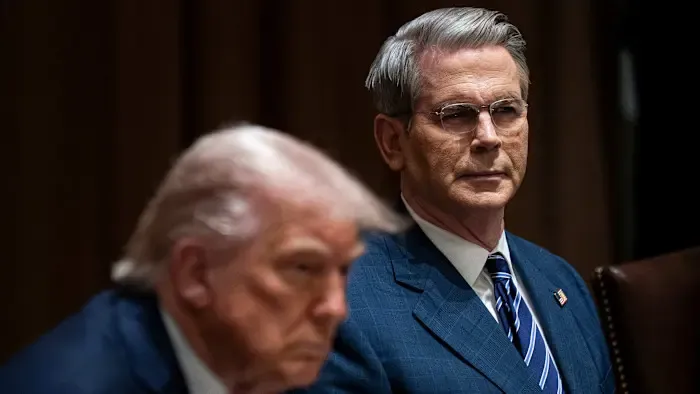
US Treasury Secretary Scott Bessent has declared that the United States will sustain its economic pressure campaign against Iran's Islamic Revolutionary Guard Corps (IRGC) until Tehran agrees to adhere to a formal agreement. The remarks, made on Friday in an interview with CNBC, signal Washington's intent to hold firm despite ongoing diplomatic turbulence.
Bessent's Warning to Tehran
Bessent stated that the US is “going to continue squeezing the IRGC until they are ready to stick to a deal.” He characterised Operation Economic Outcast — launched on 24 August and targeting Iran — as the “greatest economic isolation of any country in history.” The operation represents a significant escalation in Washington's financial warfare toolkit, extending well beyond earlier rounds of sanctions.
Trump: Iran Wants a Deal, But Terms Are Unacceptable
At a separate White House press conference on Friday, US President Donald Trump acknowledged that Iran had expressed interest in a deal, but said it had not offered terms he considered acceptable. “We want to make a real deal, not a fake deal,” Trump said, reiterating his position that Iran would never be permitted to acquire a nuclear weapon. Trump added that he would make the same decisions again if faced with the same circumstances.
The Military and Diplomatic Timeline
According to reports, the United States and Israel began striking targets in Iran on 28 February. Iran subsequently responded with ballistic missile and drone attacks targeting Israel, US military installations, and facilities across Gulf states. An April ceasefire and a June memorandum of understanding were aimed at halting hostilities and opening a path to broader negotiations, but fighting resumed in July and has continued intermittently since.
Vance Sidesteps Senate Question, Defends War Decision
US Vice President J.D. Vance declined on Friday to directly answer whether the war with Iran had been worth Republicans losing control of the Senate. Speaking alongside Trump at the White House, Vance defended the objective of preventing Iran from acquiring nuclear weapons, describing Iran as “the largest state sponsor of terrorism” and warning that a nuclear-armed Iran could use such a weapon to exert pressure or carry out an attack killing thousands. When pressed on whether he personally would have made the same call as Trump, Vance deflected, saying “the president is the one who makes the decision, and the president has said he would do it again.” Vance offered no independent assessment of the political cost of the conflict.
What Comes Next
With hostilities continuing intermittently and no formal agreement in sight, Washington's dual-track approach — maximum economic pressure combined with conditional diplomatic openness — appears set to continue. The fate of any future deal will likely hinge on whether Tehran is willing to accept terms on nuclear limits that go beyond what it has previously offered. Analysts and allies will be watching closely for any shift in Iran's negotiating posture as the economic isolation deepens.
Point of View
And the practical ceiling of additional economic pressure is not unlimited. The more revealing detail is Trump's admission that Iran wants a deal but on terms Washington finds unacceptable: that gap, not the sanctions themselves, is where the real diplomatic risk lies. Vance's refusal to answer whether the war was worth losing the Senate is politically significant — it suggests internal Republican unease that the administration is not yet willing to confront publicly. The ceasefire-resumption-ceasefire cycle since February also raises questions about whether either side has the leverage or the political will to close a durable agreement.
NationPress
21 Nov 2026
Frequently Asked Questions
What is Operation Economic Outcast targeting Iran?
Operation Economic Outcast is a US economic pressure campaign launched on 24 August, specifically targeting Iran's Islamic Revolutionary Guard Corps (IRGC). Treasury Secretary Scott Bessent has described it as the greatest economic isolation of any country in history, combining sanctions and financial restrictions to compel Tehran toward a formal agreement.
Why has the US not reached a deal with Iran yet?
President Donald Trump stated on Friday that while Iran had expressed interest in a deal, it had not offered terms he considered acceptable. Trump said the US wants ‘a real deal, not a fake deal,’ particularly on the question of Iran's nuclear programme.
What has been the military situation between the US, Israel, and Iran?
The US and Israel began striking targets in Iran on 28 February, according to reports. Iran responded with ballistic missile and drone attacks on Israel, US military sites, and Gulf state facilities. An April ceasefire and a June memorandum of understanding failed to hold, with hostilities resuming in July and continuing intermittently.
What did Vice President Vance say about the war with Iran?
Vice President J.D. Vance declined to say whether going to war with Iran was worth Republicans losing control of the Senate. He defended the goal of keeping nuclear weapons out of Iran's hands, calling Iran the largest state sponsor of terrorism, but deferred the decision to President Trump, saying it was the president who made the call and that Trump had said he would do it again.
What happens next in US-Iran relations?
Washington's dual-track strategy of maximum economic pressure and conditional diplomatic engagement appears set to continue. Any breakthrough will depend on whether Tehran shifts its negotiating position on nuclear limits to terms acceptable to the Trump administration, with no formal timeline currently in place.