Pentagon limits US-Canada defence ties amid Trump pressure on Ottawa
Synopsis
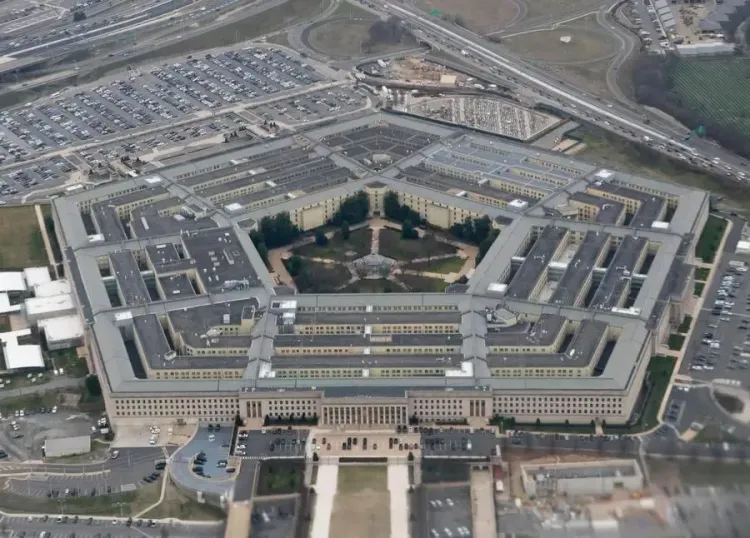
The Pentagon has quietly moved to restrict defence cooperation with Canada through a classified memo from Defense Secretary Pete Hegseth — the most concrete institutional signal yet that Trump-era political friction with Ottawa is bleeding into military ties. With NATO and NORAD carved out, the question is what bilateral programmes fall in between.
Key Takeaways
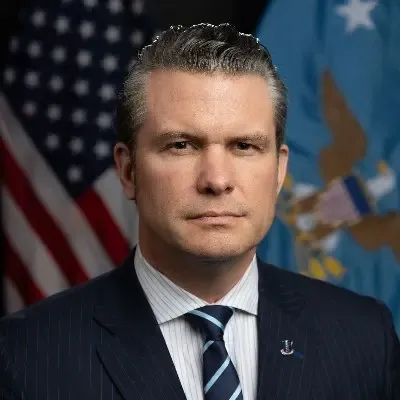
US Defense Secretary Pete Hegseth circulated a classified memo last week imposing new limits on defence cooperation with Canada .
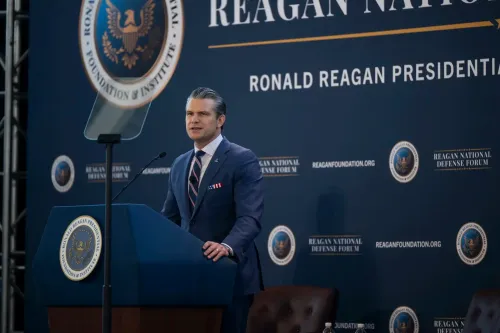
Pentagon spokesman Sean Parnell confirmed the directive, saying it aims to ensure engagements 'advance tangible US defence objectives.' The restrictions do not affect NATO cooperation or the bilateral NORAD command based in Colorado .
The US and Canada share an 8,891-km border and have coordinated daily on aerospace and maritime defence for decades.
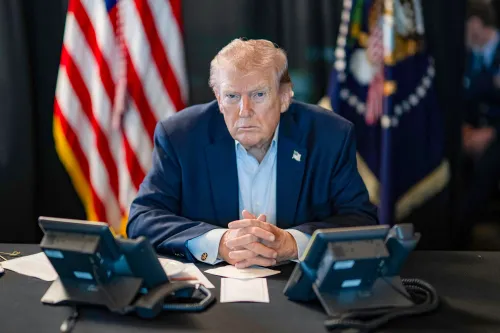
Canadian Prime Minister Mark Carney recently described a 'good conversation' with President Trump on trade, with teams from both sides working toward a deal in the coming weeks.
US Defense Secretary Pete Hegseth has imposed new restrictions on defence cooperation with Canada, according to a report by The Washington Post citing officials familiar with the matter. Hegseth reportedly circulated a classified memo outlining the limits last week, though the specific military activities affected have not been publicly disclosed.
What the Memo Says
Chief Pentagon spokesman Sean Parnell confirmed the directive to The Washington Post, stating that the Defense Department is 'taking steps to ensure its engagements with Canada advance tangible US defence objectives and ultimately support a reinvigorated defence relationship.' Parnell clarified that the restrictions will not affect defence intelligence sharing or military cooperation conducted through NATO or the bilateral North American Aerospace Defense Command (NORAD).
The Scope of US-Canada Defence Ties
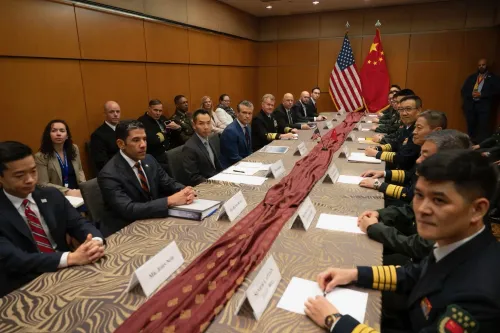
The United States and Canada are founding members of NATO, the alliance established in the aftermath of World War II. The two nations coordinate daily at NORAD headquarters in Colorado to jointly protect their skies and maritime boundaries. They share an 8,891-km border and have maintained deep military and economic ties for decades.
A Relationship Under Strain
The Hegseth directive arrives against a backdrop of mounting bilateral tensions. Tariff disputes and US President Donald Trump's repeated suggestions that Canada should become the 51st US state have strained what was once considered one of the world's closest bilateral partnerships. This is the most concrete defence-specific signal yet that Washington is prepared to translate political friction into institutional restrictions.
Canada's Response and Trade Talks
Earlier this month, Canadian Prime Minister Mark Carney said he had a 'good conversation' with President Trump on the future of Canada-US trade. Carney noted on social media that the discussion built on recent constructive talks regarding the outlines of a mutually beneficial trade deal. He added that such an agreement would 'create jobs for workers in both countries, improve affordability for families, and fully respect Canada's languages, culture, and sovereignty.' Teams from both sides are reportedly working in the coming weeks to advance that outcome.
What Comes Next
The full scope of Hegseth's classified memo remains unclear, and it is not yet known which bilateral military programmes or exchanges will be curtailed. Analysts will be watching whether the restrictions extend to joint exercises or procurement cooperation beyond the NATO and NORAD frameworks. The development adds a new layer of complexity to an already fraught relationship, even as trade negotiators from both sides seek common ground.
Point of View
The timing is acute: trade negotiations are live, and any perception of weakening defence solidarity could undercut Carney's bargaining position domestically. The mainstream framing of this as a bilateral spat misses the structural point — the US is signalling that even foundational partnerships are now transactional.
NationPress
21 Nov 2026
Frequently Asked Questions
What restrictions has Pete Hegseth imposed on US-Canada defence ties?
US Defense Secretary Pete Hegseth reportedly circulated a classified memo last week imposing new limits on defence cooperation with Canada, according to The Washington Post. The specific military activities affected have not been publicly disclosed, though Pentagon officials confirmed the directive exists.
Will the restrictions affect NATO or NORAD cooperation?
No. Pentagon spokesman Sean Parnell confirmed that the Hegseth directive will not affect defence intelligence sharing or military cooperation conducted through NATO or the bilateral North American Aerospace Defense Command (NORAD). The restrictions appear to target other bilateral defence activities.
Why are US-Canada relations under strain?
Bilateral ties have been strained by tariff disputes and President Donald Trump's repeated suggestions that Canada should become the 51st US state. The new defence restrictions represent the most concrete institutional expression of that political friction to date.
What has Canadian Prime Minister Mark Carney said about relations with the US?
Earlier this month, Prime Minister Mark Carney said he had a 'good conversation' with President Trump on the future of Canada-US trade, describing progress toward a mutually beneficial deal. He said teams from both sides would work in the coming weeks to advance the outcome.
How deep are US-Canada defence ties historically?
The United States and Canada are founding members of NATO, established after World War II, and coordinate daily at NORAD headquarters in Colorado to protect shared airspace and maritime boundaries. The two countries share an 8,891-km border and have maintained close military ties for decades.