Varanasi meat and fish shops to be relocated outside city by December 2025
Synopsis
Varanasi's civic body has approved a sweeping plan to push all meat and fish shops out of the city within six months — framing it as a cultural reset for one of Hinduism's holiest cities. Thousands of traders face relocation to five peripheral zones, with promises of regularisation and better facilities, but no public compensation framework yet.
Key Takeaways
The Varanasi Municipal Corporation approved the meat and fish shop relocation plan on 7 June .
All shops must shift to five designated zones — Ramnagar , Dumri , Shivpur , and Chhitaipur — within six months .
Mayor Ashok Kumar Tiwari described most affected shops as illegal, unauthorised, and unregistered.
New shop premises will include electricity, water, and waste management infrastructure.
The move is framed as a relocation, not a shutdown; allocation of authorised spaces to shopkeepers will begin soon.
No public compensation or transition support mechanism has been announced for displaced traders.
The Varanasi Municipal Corporation on Sunday, 7 June approved a proposal to relocate all meat and fish shops outside the city limits within six months, in a move officials say will restore the cultural identity of the sacred city and improve public hygiene. Thousands of shops are expected to be affected by the decision.
Key Developments
Under the approved plan, all meat, fish, and chicken shops will be shifted to five designated zones on the city's outskirts — Ramnagar, Dumri, Shivpur, and Chhitaipur. The new premises will be equipped with electricity, water, cleanliness infrastructure, and other essential amenities. Officials confirmed that the process of allocating authorised shop spaces to existing shopkeepers will commence shortly.
What the Mayor Said
Varanasi Mayor Ashok Kumar Tiwari backed the proposal, calling it a 'need of the hour.' He noted that the majority of the affected shops were operating illegally, without authorisation or registration. 'We will regularise them. We will provide them with the best possible shop facilities, including electricity and other essentials. We will also ensure proper waste management so that garbage does not accumulate anywhere,' he said.
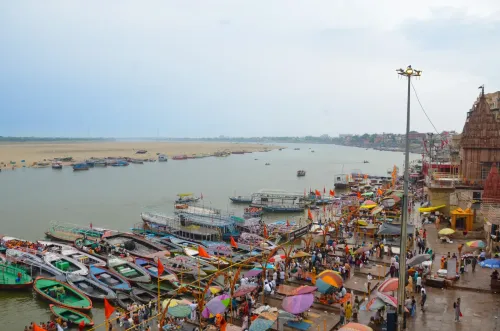
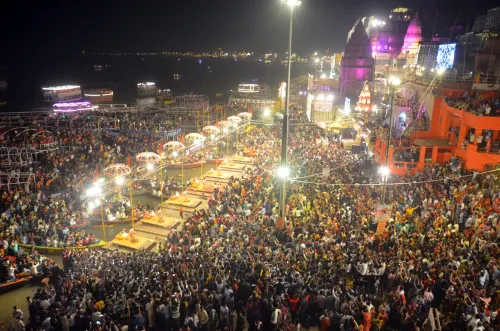
Mayor Tiwari was careful to frame the move as a relocation rather than a shutdown. 'Kashi is a religious and cultural city. Lakhs of people visit here; they do not come to see the meat and fish shops. We are not removing or shutting them down. Instead, we will relocate them to designated sites outside the city and consolidate them in one place,' he said.
Rationale Behind the Decision
Proponents of the move argue that open-air sale of meat and fish in the city's lanes tarnishes the image of one of India's most prominent pilgrimage destinations and places a disproportionate burden on civic bodies managing public sanitation. Officials said the relocation will also improve the experience for the large volume of tourists and pilgrims who visit Varanasi year-round.
The executive committee of the Municipal Corporation has already passed the proposal. The corporation will now identify and formalise the five designated relocation zones before the six-month deadline.
Impact on Shopkeepers
While officials have promised regularisation and improved facilities at the new sites, the relocation raises practical concerns for thousands of small traders whose livelihoods depend on footfall in the city's dense commercial areas. The shift to peripheral zones could significantly alter customer access, particularly for daily buyers. No compensation framework or transition support mechanism has been detailed publicly as yet.
What Happens Next
The Municipal Corporation is expected to begin site identification and allocation of shop spaces at the five peripheral zones in the coming weeks. With a December 2025 deadline implied by the six-month window, the pace of implementation will be closely watched by both traders and civic observers. How the administration balances cultural objectives with the economic interests of affected shopkeepers will define the policy's ultimate success.
Point of View
And whether the promised regularisation translates into viable livelihoods or merely shifts informal precarity from one location to another. The absence of any announced compensation or transition support is a gap that could define whether this becomes a model policy or another stalled directive.
NationPress
21 Sept 2026
Frequently Asked Questions
What has the Varanasi Municipal Corporation decided about meat and fish shops?
The Varanasi Municipal Corporation has approved a proposal to relocate all meat and fish shops outside the city limits within six months. The shops will be moved to five designated zones on the city's outskirts, equipped with electricity, water, and sanitation facilities.
Where will the relocated shops be moved?
The shops will be relocated to five designated areas outside Varanasi city — Ramnagar, Dumri, Shivpur, and Chhitaipur. The Municipal Corporation will identify and formalise these sites before the six-month deadline.
Will the shops be shut down permanently?
No. Mayor Ashok Kumar Tiwari has clarified that the shops will be relocated, not shut down. The civic body has committed to regularising currently unauthorised shops and providing them with proper facilities at the new locations.
Why is Varanasi relocating meat and fish shops?
Officials cite two primary reasons: restoring the cultural and religious image of Varanasi as a major pilgrimage destination, and improving public hygiene and urban waste management on city streets. Proponents argue open-air meat sales in the city's lanes burden civic sanitation systems.
How will this affect shopkeepers?
Thousands of traders, many of whom operate without formal registration, will be required to shift to peripheral zones. While the administration has promised regularisation and better infrastructure, no compensation framework or transition support has been publicly announced, raising concerns about the economic impact on small traders.